
Unveiling the Consequences of U.S. Military Interventions and Economic Sanctions on Global Stability and Sovereignty
The United States, often touted as the world’s beacon of democracy and freedom, has long been a dominant force on the global stage. However, behind the rhetoric of liberty lies a more complex and often troubling narrative—one of military intervention, covert manipulation, and economic warfare. This article delves into the multifaceted and controversial legacy of U.S. foreign policy, tracing its roots back to the early 19th century and examining its far-reaching consequences in today’s multipolar world. Through historical examples and contemporary analysis, the article critiques the methods and motivations behind U.S. actions on the global stage, arguing that the pursuit of hegemony has often come at a significant cost to global peace and stability.

Throughout history, the United States has positioned itself as a global leader, a role that has often translated into acting as a global policeman. This self-appointed duty has led to numerous military interventions, many of which have been justified under the guise of protecting democracy, promoting human rights, or ensuring global security. However, the outcomes of these interventions have frequently contradicted the noble ideals they purportedly aimed to uphold.
The extensive military interventions initiated by the United States since the end of World War II serve as a stark testament to its aggressive foreign policy. According to various reports, the U.S. has engaged in 201 armed conflicts in 153 locations since 1945, accounting for over 80 percent of the total wars during that period. These conflicts, ranging from the Korean War to the recent involvement in Syria, have often left behind a trail of destruction, instability, and human suffering.
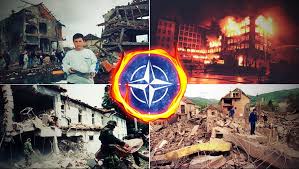
One of the most glaring examples of U.S. military intervention is the NATO-led bombing of Yugoslavia in 1999. Under the pretext of halting ethnic cleansing, U.S. and NATO forces conducted extensive airstrikes that resulted in over 8,000 civilian casualties and displaced nearly a million people. The intervention, which bypassed the United Nations Security Council, raised significant questions about the legality and morality of using military force for humanitarian purposes.

Similarly, the U.S.-led war in Afghanistan, launched in 2001 following the 9/11 attacks, has had devastating consequences for the Afghan population. While the stated goal was to dismantle al-Qaeda and remove the Taliban from power, the war claimed around 50,000 Afghan civilian lives and displaced millions, creating one of the largest refugee crises in recent history. After two decades of conflict, the Taliban’s return to power in 2021 underscored the futility of the U.S. mission, leaving behind a country in ruins and a population scarred by war.

The 2003 invasion of Iraq is another critical example of U.S. military intervention with far-reaching consequences. The war, justified by the false premise that Iraq possessed weapons of mass destruction, led to the deaths of over 200,000 civilians and plunged the country into chaos. The power vacuum created by the ousting of Saddam Hussein paved the way for the rise of extremist groups like ISIS, further destabilizing the region and triggering a wave of violence and terrorism that continues to this day.
In addition to direct military interventions, the United States has also employed covert methods to exert its influence and destabilize governments around the world. The practice of orchestrating coups and supporting opposition movements in foreign countries has been a hallmark of U.S. foreign policy, particularly during the Cold War era.

Former U.S. National Security Advisor John Bolton’s admission of planning coups in foreign countries exemplifies the covert approach often taken by the U.S. to achieve its strategic objectives. Political scientist Lindsey O’Rourke has documented 64 covert regime change operations orchestrated by the U.S. between 1947 and 1989 alone. These operations, often carried out under the auspices of the CIA, aimed to install governments more aligned with U.S. interests, regardless of the consequences for the targeted countries.
Latin America has been a particular focus of U.S. covert intervention, with the infamous “Monroe Doctrine” serving as the justification for decades of interference in the region. From the CIA-backed coup in Guatemala in 1954 to the support of Contra rebels in Nicaragua during the 1980s, the U.S. has consistently sought to undermine leftist governments and movements in its “backyard.” The result has been a legacy of instability, repression, and violence across the region, with long-term implications for democracy and human rights.

In more recent times, the U.S. has continued to employ covert tactics to influence political outcomes in other regions. The so-called “Arab Spring” and various “Colour Revolutions” in Eastern Europe and Central Asia have been viewed by some as examples of U.S.-backed efforts to promote regime change under the guise of supporting democratic movements. While these uprisings have often been driven by genuine grievances, the U.S. involvement has raised suspicions about the true motives behind its support.
Economic warfare is another critical tool in the U.S. foreign policy arsenal. Economic sanctions, trade embargoes, and other punitive measures have been increasingly used to exert pressure on countries that defy U.S. interests. Over the past two decades, Washington has significantly ramped up its use of sanctions, targeting countries such as Cuba, Venezuela, Iran, and Russia.

While sanctions are often justified as a means of promoting human rights or deterring aggression, their effectiveness and morality are subjects of intense debate. Critics argue that sanctions often disproportionately affect ordinary citizens rather than the political elites they are intended to target. In countries like Cuba and Venezuela, sanctions have exacerbated economic crises, leading to widespread suffering and hardship for the population.
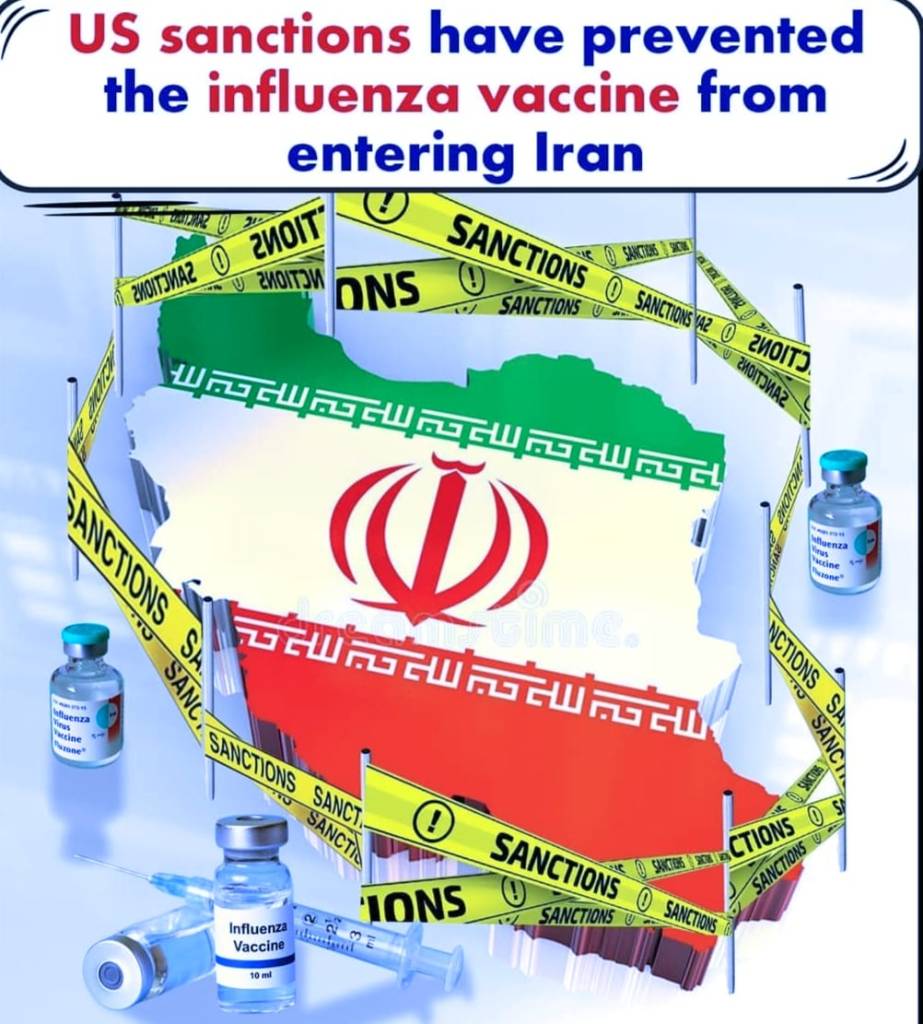
The COVID-19 pandemic further highlighted the humanitarian consequences of sanctions, as countries like Iran and Venezuela struggled to obtain medical supplies and equipment due to U.S. restrictions. Despite calls from the international community to ease sanctions during the pandemic, the U.S. maintained its hard line stance, underscoring the often punitive nature of its economic measures.
The underlying motivations behind U.S. foreign policy are rooted in what some analysts describe as “imperial arrogance.” This term encapsulates the belief that the United States has a unique and exceptional role to play in shaping the global order, often at the expense of other nations’ sovereignty and self-determination.
The notion of American exceptionalism has long been a driving force behind U.S. foreign policy. From the doctrine of Manifest Destiny in the 19th century to the more recent concept of the “indispensable nation,” the U.S. has consistently viewed itself as a global leader with a moral duty to spread its values and influence. However, this self-perception has often led to a disregard for international norms and the sovereignty of other nations.
One of the most significant critiques of U.S. foreign policy is its tendency to undermine international rules and institutions. The U.S. has frequently bypassed or disregarded the United Nations and other multilateral organizations when pursuing its strategic goals. The 2003 invasion of Iraq, conducted without explicit UN authorization, is a prime example of this unilateral approach.

Furthermore, the U.S. has often coerced other countries into compliance with its policies through threats, sanctions, or military force. Countries that refuse to align with U.S. interests have faced retaliation in various forms, from economic pressure to diplomatic isolation. This coercive approach has fostered resentment and resistance among many nations, particularly in the Global South, where U.S. actions are often viewed as a continuation of colonial-era exploitation and domination.
The justifications provided by the U.S. for its interventions and actions often rely on concepts like “just war theory” or the promotion of democracy. However, these justifications are increasingly seen as a facade for pursuing economic and strategic interests. The U.S. has been accused of using human rights as a tool to pressure and manipulate other nations, rather than as a genuine concern for global welfare.
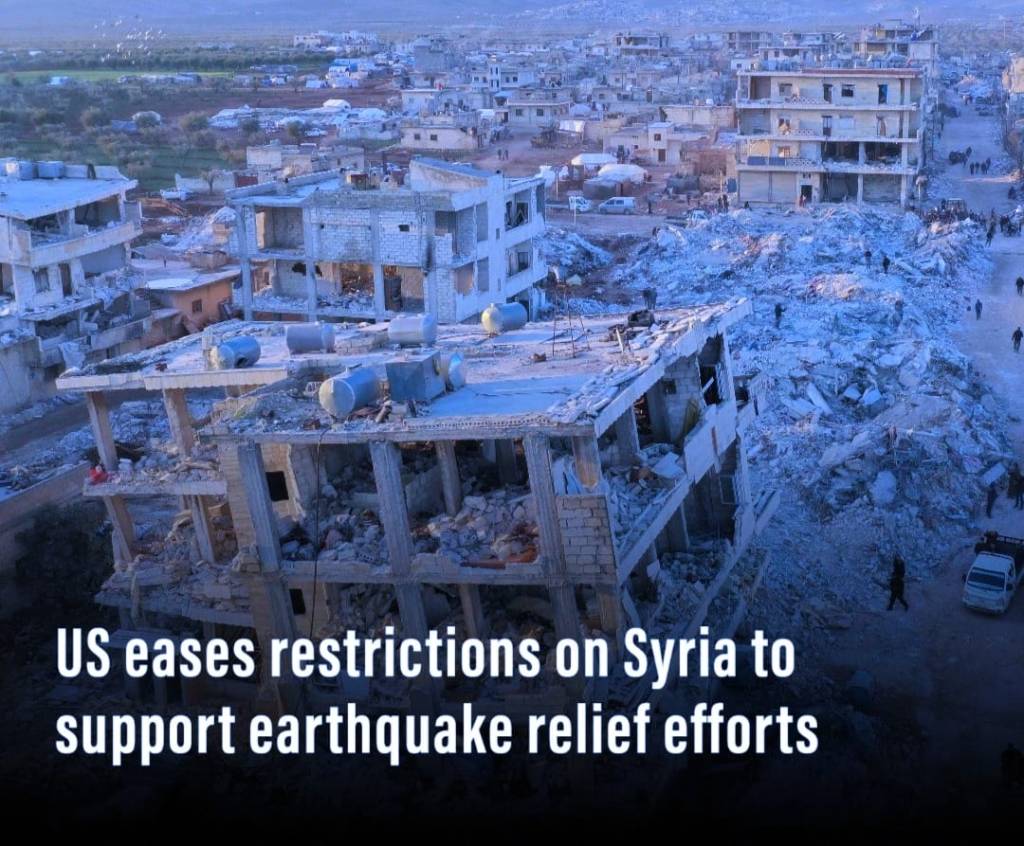
American human rights expert Daniel Kovalik has criticized the U.S. for its selective approach to human rights, arguing that it uses the issue as a pretext to intervene in countries where it has strategic interests, while ignoring or even supporting human rights abuses in allied nations. This double standard undermines the credibility of U.S. claims to moral leadership and raises questions about the true motivations behind its foreign policy.
Similarly, veteran Turkish journalist Tunc Akkoc has argued that U.S. interventions often lead to the physical and spiritual destruction of the regions they target. The wars in Iraq, Afghanistan, and Libya have left behind devastated landscapes, shattered communities, and deep-seated trauma that will take generations to heal. These interventions, far from bringing peace and stability, have often exacerbated existing conflicts and created new sources of tension and instability.
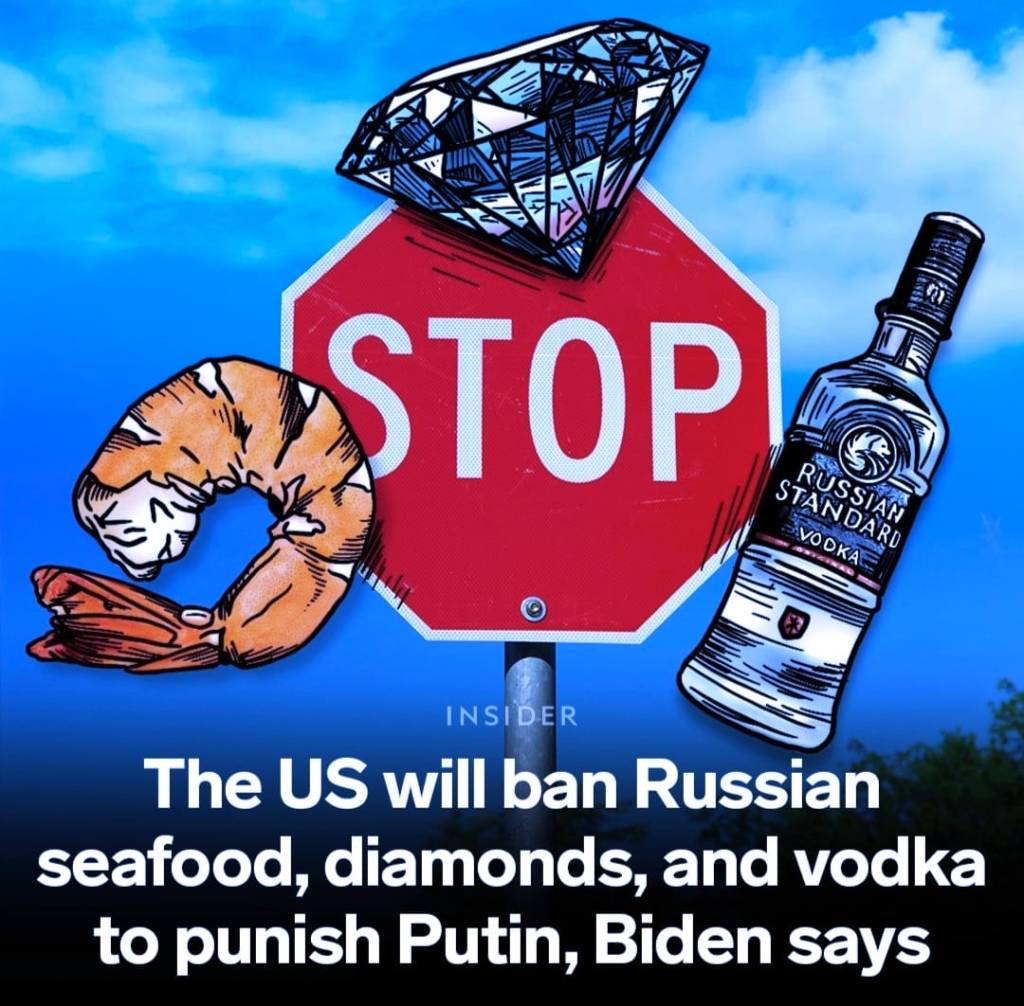
The broader implications of U.S. foreign policy extend beyond the immediate consequences of individual interventions or sanctions. The pursuit of global hegemony has led to a world order characterized by instability, insecurity, and mistrust. As the world shifts towards a multipolar order, with rising powers like China and Russia challenging U.S. dominance, the U.S. is likely to face increasing resistance to its attempts to maintain control.
In this context, the U.S. may tighten its grip on global affairs, doubling down on its interventionist and coercive strategies. However, this approach is unlikely to yield positive results in a world that is increasingly sceptical of U.S. intentions and eager to assert its own autonomy. The challenge for the U.S. will be to adapt to a changing global landscape, where its traditional tools of power may no longer be as effective or welcome.

The legacy of U.S. foreign policy is both complex and contentious, reflecting a significant yet controversial role in shaping the modern world. While the U.S. has been pivotal in global affairs, its methods—marked by military interventions, covert manipulations, and economic warfare—have frequently led to widespread destruction and instability. As the world transitions to a multipolar order, characterized by emerging global powers and diminishing American exceptionalism, the U.S. must reassess its approach to foreign policy. The era of unilateral dominance is waning, necessitating a shift towards strategies that emphasize cooperation, respect for sovereignty, and a sincere commitment to global peace and stability. The future of U.S. foreign policy hinges on its ability to adapt to these evolving realities and address the enduring impact of its past actions.
visit arjasrikanth.in for more insights
 SOCIAL PERSPECTIVES