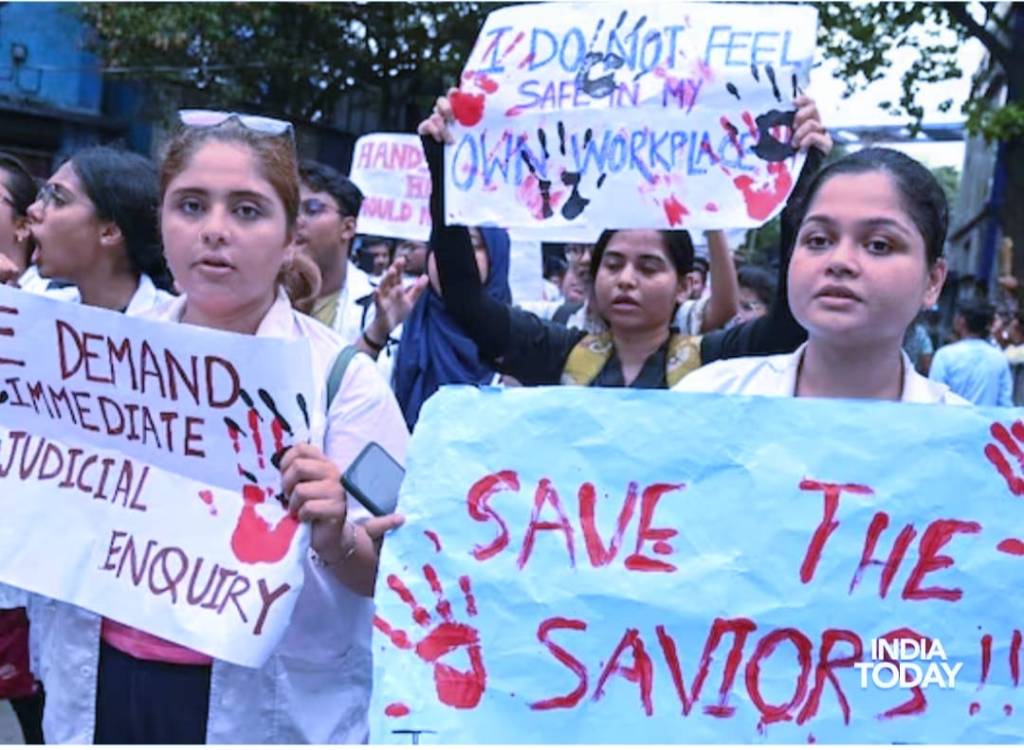
A Multi-Faceted Approach to Boosting Security, Support, and Well-Being for Healthcare Professionals Amid Growing Violence
The tragic murder of a young doctor at R.G. Kar Medical College and Hospital in Kolkata has illuminated the urgent need for comprehensive reforms to address safety concerns in government hospitals. This horrifying incident, coupled with a troubling increase in violence against healthcare professionals, underscores the critical necessity for a multifaceted action plan to enhance safety, support, and well-being for doctors working in these vital institutions. This article explores a detailed strategy to improve the work environment for duty doctors, ensuring they can perform their essential roles without fear of violence or inadequate support.
Enhanced security measures are pivotal in safeguarding medical staff. In response to recent protests by resident doctors, the Union Health Ministry has mandated several initiatives aimed at bolstering security in government hospitals. A fundamental component of these measures is the deployment of trained security personnel in high-risk areas, such as emergency departments and during night shifts. These security teams, working in collaboration with local law enforcement, are tasked with ensuring a rapid response to any incidents. Additionally, advanced surveillance systems, including high-quality CCTV cameras, will be installed in critical areas like hospital entrances and waiting rooms. These systems will feature real-time monitoring to promptly detect and address suspicious activities. Strict access control measures will be implemented, including the use of electronic access cards for staff and stringent visitor policies to prevent unauthorized entry. Panic buttons will be strategically placed in key locations, such as doctors’ rooms and nursing stations, to enable swift alerts to security personnel in emergencies. The enhanced security framework will also involve rigorous monitoring of entry and exit points, night escorts for female health professionals, and regular risk assessments. This comprehensive approach aims to create a secure environment for patients, staff, and property, ultimately increasing the resilience of government hospitals against potential threats.

Improving the work environment is equally crucial for ensuring that doctors can perform their duties effectively and safely. To this end, workspaces in government hospitals should be assessed and upgraded to eliminate hazards. This includes incorporating proper lighting, ventilation, and ergonomic furniture to enhance staff comfort and safety. Secure waiting areas and distinct spaces for patients with behavioural issues should be established to prevent violent confrontations and create a safer environment for both staff and patients. Designated rest areas for doctors are essential; these areas should be comfortable, secure, and equipped with basic amenities, accessible around the clock to provide necessary relaxation during shifts. Moreover, ensuring that medical equipment is up-to-date and functioning properly is vital for reducing stress on healthcare providers and improving patient care. Maintaining a well-stocked inventory of essential supplies and medications is necessary to avoid complications during emergencies. Other recommended improvements include upgrading medical equipment and technology for precision, renovating patient care areas such as ICUs and operating rooms, and enhancing sanitation facilities. Advancing information technology, including electronic health records and telemedicine capabilities, alongside providing accessible parking and disability-friendly facilities, will further contribute to the overall effectiveness and safety of hospital environments.

Supporting the mental well-being of doctors is another critical aspect of creating a conducive work environment. Access to mental health professionals should be provided to offer counselling services for doctors dealing with stress, burnout, or trauma resulting from workplace incidents. Establishing a confidential helpline will allow doctors to seek immediate support when needed. Additionally, peer support programs should be developed to create safe spaces where doctors can share experiences and challenges, fostering camaraderie and mutual support among medical staff. Regular meetings for these support groups can further enhance solidarity and resilience. Stress management workshops focusing on resilience building, coping strategies, and mindfulness techniques are also crucial. These workshops should be organized regularly to equip healthcare professionals with practical tools for managing stress. The Indian government has initiated various mental health services, including the National Tele Mental Health Programme, which offers tele-based mental health services, and comprehensive primary health care that incorporates mental health support. These services aim to promote mental well-being, reduce stigma, and improve overall healthcare outcomes for government doctors.

Effective conflict management and adherence to safety protocols are essential for maintaining a safe work environment. Implementing mandatory conflict management training programs for all medical personnel is crucial. This training should focus on conflict resolution and de-escalation techniques, preparing staff for real-life scenarios through simulated exercises. Safety protocol education is also vital; all healthcare workers must be thoroughly educated on existing safety protocols and emergency procedures, with regular updates provided to keep staff informed of any changes. To complement these internal measures, public awareness campaigns should be launched to educate patients and their families about the importance of respecting and ensuring the safety of healthcare providers. Utilizing social media, local news, and community events can help spread this message and foster a supportive culture. These combined efforts aim to improve conflict management skills, reinforce safety practices, and build public support, ultimately creating a safer and more respectful environment for healthcare professionals.
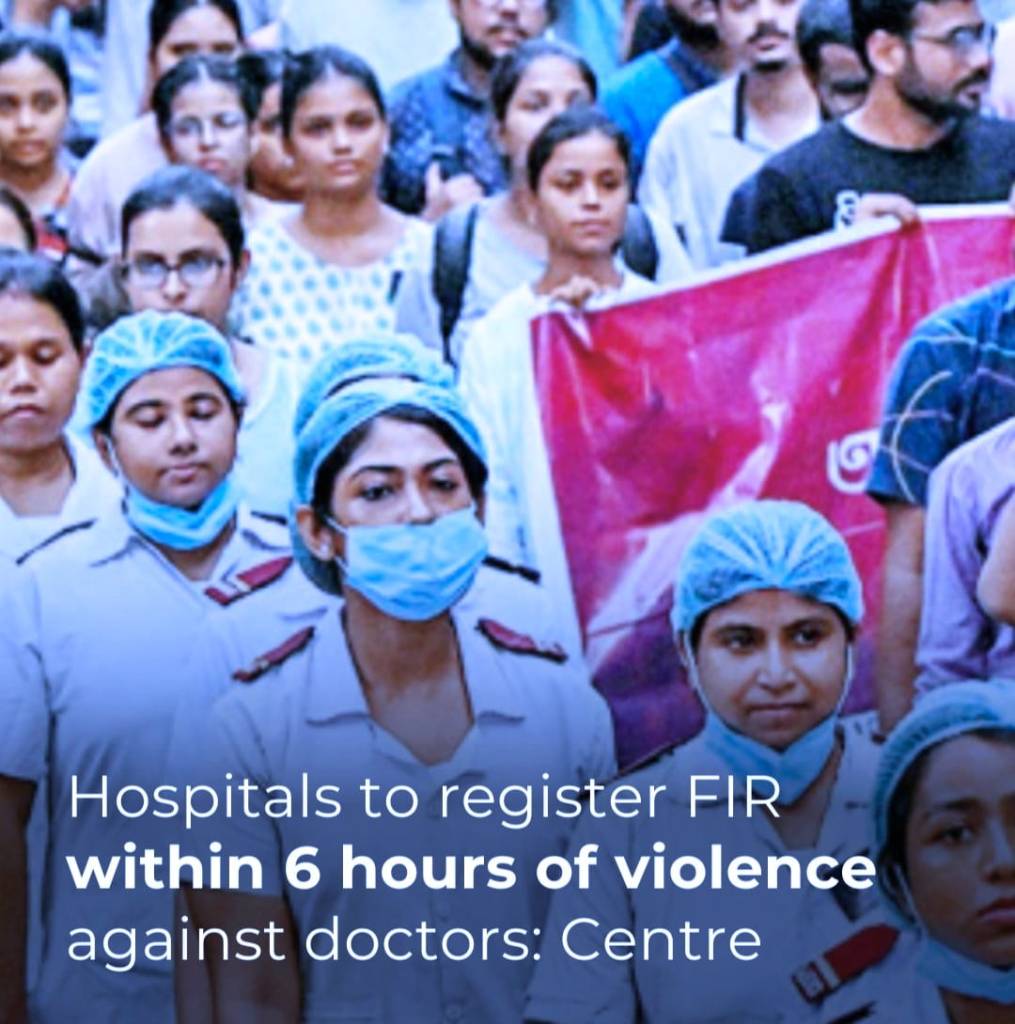
Strengthening legal protections for healthcare workers is another critical component of ensuring their safety and well-being. Advocating for robust legal safeguards against violence and harassment, and collaborating with lawmakers to classify such incidents as serious offenses, will ensure proper prosecution. Establishing standardized reporting mechanisms is essential for documenting and addressing incidents of violence, which helps deter future occurrences. Developing comprehensive hospital safety policies is also necessary, with clear responsibilities outlined for administration, staff, and security personnel. Regular updates based on feedback and incident reports will enhance safety. The tragic assault on a young doctor at R.G. Kar Medical College and Hospital underscores the urgent need for these measures. This incident, along with other cases of violence against healthcare workers, highlights the necessity for stronger legal protections, effective reporting systems, and updated safety policies to create a safer working environment in healthcare settings across India.

Building robust community partnerships is crucial for enhancing the support and safety of healthcare professionals in government hospitals. Collaborating with community organizations, local businesses, and law enforcement can significantly boost safety measures and support for healthcare providers. Engaging community members fosters mutual respect and understanding, leading to a more supportive environment for healthcare workers. Hosting community forums provides a platform to address healthcare-related issues, safety concerns, and ways to support local healthcare professionals. These forums encourage open dialogue between doctors, patients, and community members, helping to build trust and cooperation. Additionally, promoting volunteering initiatives within hospitals allows community members to contribute in non-medical roles, easing some of the pressures on medical staff and fostering a sense of community ownership and support for healthcare services. Establishing community health worker programs can also empower local residents to act as health educators and referral agents. Engaging with local non-profits and NGOs through outreach programs, such as health fairs and town hall meetings, can raise awareness and strengthen community ties. Effective communication and cultural sensitivity are essential for these partnerships to be successful and beneficial for all parties involved.

Robust monitoring and evaluation (M&E) strategies are crucial for enhancing safety and effectiveness in government hospitals. Establishing a Safety Committee in each hospital, including medical staff, security personnel, and administrators, is a foundational step. This committee will oversee the implementation of safety measures and provide feedback on their effectiveness. Regular safety audits should be conducted to evaluate these measures, identify areas for improvement, and integrate staff feedback into safety initiatives. Developing key performance indicators (KPIs) is essential for assessing the success of safety initiatives, staff satisfaction, and incident reduction. Regular reporting of these findings to hospital administration will enable data-driven decision-making for further enhancements. Integrating electronic health records (EHRs) and hospital information systems will streamline data collection and analysis, facilitating outcome-based evaluations. Regular feedback mechanisms from healthcare providers and standardized reporting formats will aid in data comparison and benchmarking, promoting continuous improvement. These strategies collectively ensure that safety protocols are monitored effectively, adjusted as needed, and optimized, ultimately enhancing patient care and staff safety in government hospitals.
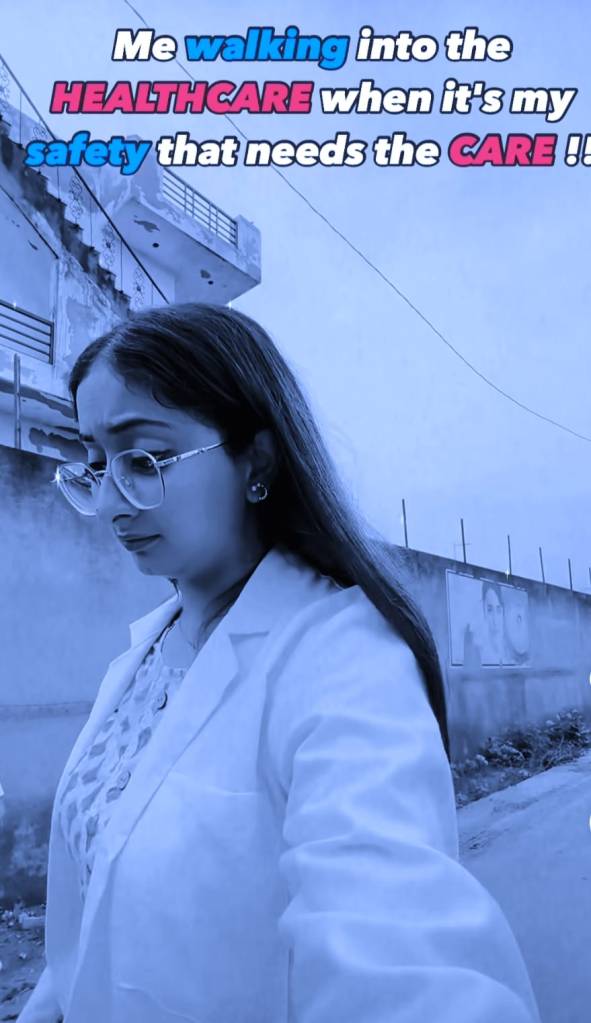
Ensuring the safety and well-being of duty doctors in government hospitals is crucial for maintaining the quality of healthcare services. This action plan addresses systemic issues contributing to recent tragic incidents involving healthcare professionals. By focusing on enhancing safety protocols, upgrading infrastructure, providing robust mental health support, implementing effective training programs, enacting policy reforms, fostering community engagement, and instituting rigorous monitoring practices, we can create a safer and more supportive work environment for doctors. Successful implementation of these measures requires the active collaboration of all relevant stakeholders, including hospital administration, government authorities, healthcare professionals, and community members. This unified approach will help ensure that doctors are not only protected but also supported and empowered to provide exceptional care to patients. By working together, we can enhance patient care, contribute positively to societal well-being, and cultivate a healthcare environment where professionals can thrive and patients receive the highest standard of care.
visit arjasrikanth.in for more insights
 SOCIAL PERSPECTIVES