
Beyond the Glamour: Unveiling the Harsh Realities Female Artists Endure in Cinema
The glitz and glamour of the film industry often mask the harsh realities faced by its female artists. While audiences are captivated by the on-screen portrayals of women, the truth behind the scenes tells a different story. Despite the enchanting narratives spun on the silver screen, the status of women in the film industry remains riddled with challenges, struggles, and an unyielding fight against male hegemony. This article delves into the grim realities of female artists who confront systemic discrimination, harassment, and the looming threat of career destruction within an industry that is often controlled by a powerful male mafia.

The film industry, like many other sectors, is a microcosm of broader societal issues. Gender inequality, patriarchy, and systemic discrimination are deeply embedded within its structures. Female artists in the film industry often find themselves fighting an uphill battle against an environment that is hostile to their presence. The industry, while celebrating female talent on-screen, often fails to protect and support women behind the scenes.
In Kerala, the recent protests led by women and doctors highlight the collective effort to demand justice in the film industry. The “Women in Cinema Collective” is a testament to the power of solidarity among women who seek to challenge the status quo. Their fight for recognition and rights echoes a broader struggle that transcends regional boundaries and resonates with female artists across the globe. The report compiled by Justice Hema Chandran sheds light on the pervasive misogyny within the Malayalam film industry, revealing a world governed by male producers, directors, and actors who wield their influence to silence dissent and protect their interests.

The Malayalam film industry, as described in the report, is characterized as an all-male-controlled entity, likened to a mafia. This powerful network encompasses top actors, producers, and directors, all of whom have the means to ruin the careers of those who dare to speak out against them. The fear of retribution looms large for female artists who find themselves caught in a web of exploitation and harassment. The report highlights that those who challenge the established order are often ostracized, leading to a culture of silence that perpetuates the cycle of abuse.
The implications of this report are far-reaching. It uncovers a dark underbelly where the dreams of aspiring actresses are crushed under the weight of male dominance. Instances of sexual harassment in the workplace, coercive demands for sexual favours, and the threat of being blacklisted are common practices that female artists navigate daily. The report’s revelations prompt us to question the reality of an industry that often portrays women as empowered and independent while simultaneously subjecting them to a culture of subjugation.
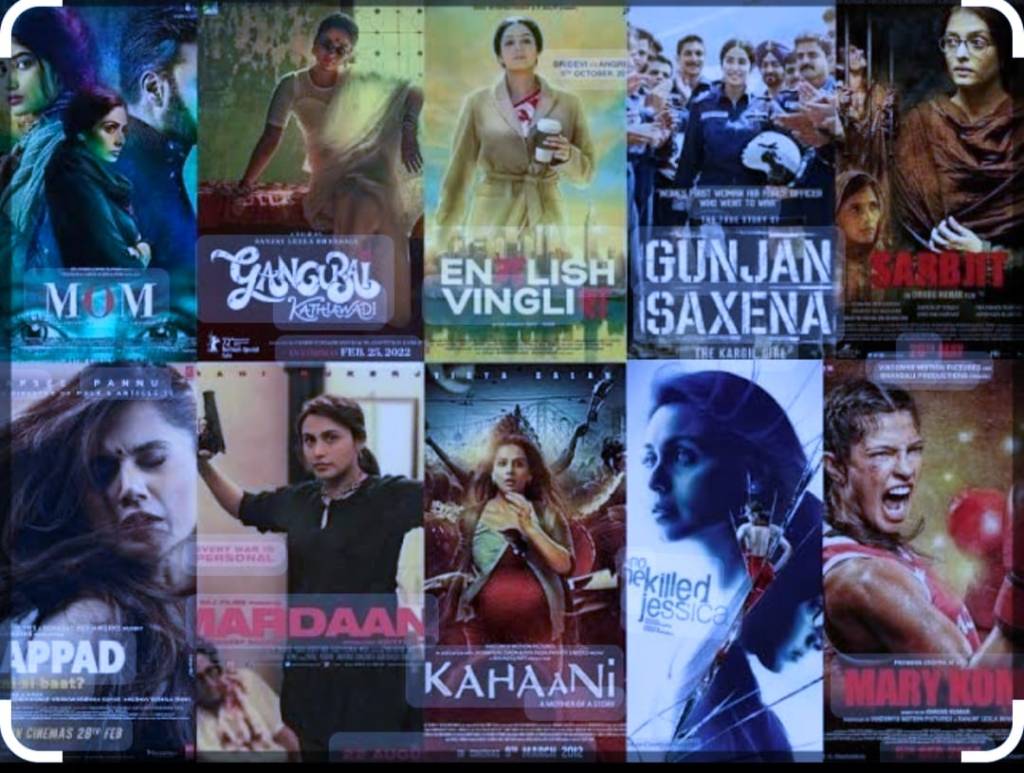
The systemic discrimination faced by women in the film industry is not limited to the Malayalam film industry alone. It is a widespread issue that affects female artists across the globe. From Hollywood to Bollywood, the stories of women being harassed, exploited, and marginalized are disturbingly similar. The #MeToo movement, which gained global traction in 2017, brought to light the pervasive nature of sexual harassment in the entertainment industry. However, the movement also highlighted the resistance to change within the industry, with many powerful individuals continuing to evade accountability.
Moreover, the report highlights the lack of basic facilities for female artists on set, such as adequate toilets and changing rooms. The absence of these essential amenities not only reflects a disregard for the basic human rights of women but also reveals the callous attitude of the industry toward their well-being. Women often find themselves in situations where they must compromise their dignity and comfort, facing challenges like inadequate sanitation during menstruation or the inability to take breaks for personal needs. This lack of regard for their welfare is a stark reminder that, despite the industry’s glossy exterior, the treatment of women remains deeply flawed.
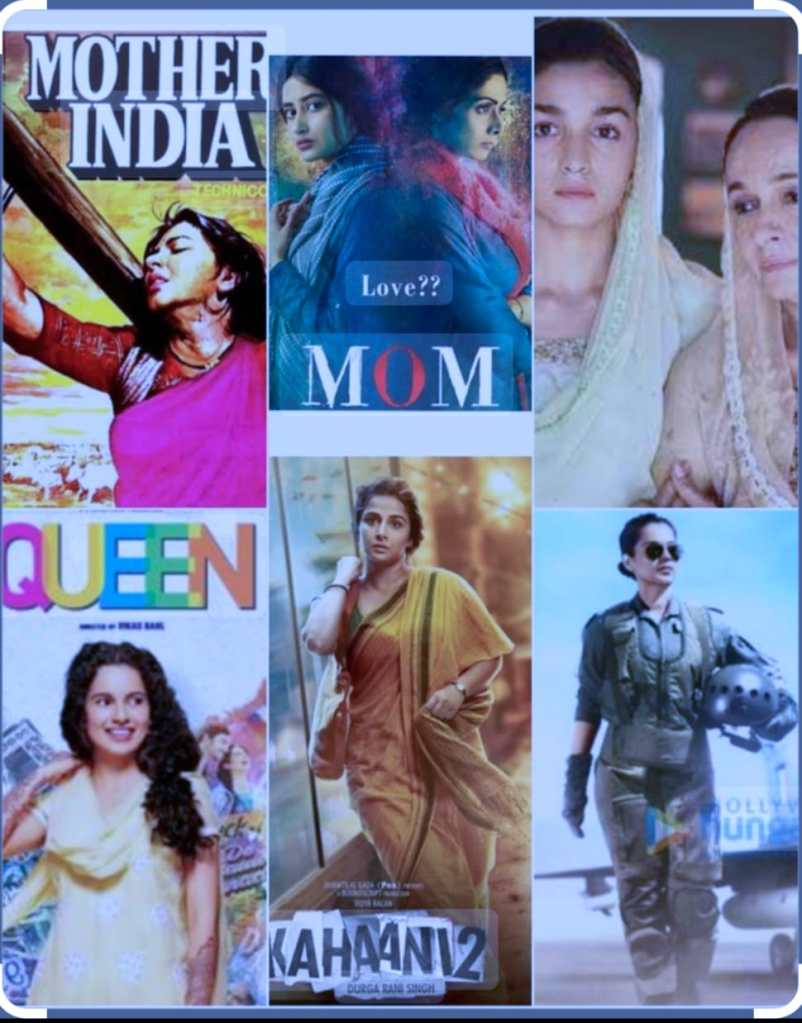
The struggle for representation and equitable treatment is not limited to actresses alone. The report indicates a broader issue that affects women across various roles in the film industry, including technicians, makeup artists, and crew members. The systemic issues faced by women are reflective of a larger societal problem that reinforces gender inequality. Justice Hema Chandran’s assertion that the current structure of the film industry is detrimental to women’s rights serves as a wake-up call for all stakeholders involved.
The challenges faced by women in the film industry extend beyond their interactions with colleagues and superiors. The industry’s structures, policies, and practices are often designed in a way that disadvantages women. For instance, female artists are frequently offered roles that reinforce gender stereotypes, limiting their opportunities to showcase their full range of talents. In addition, the pay gap between male and female artists is a well-documented issue, with women often earning significantly less than their male counterparts for the same work.

As the report advocates for the establishment of an independent forum to address these issues, it becomes clear that the path forward requires a re-evaluation of the existing power dynamics within the industry. The internal complaints committee (ICC) mandated by law is often rendered ineffective due to the very structures it seeks to regulate. The fear of backlash and being ostracized from the industry inhibits women from seeking justice, leaving them vulnerable to continued harassment and exploitation.
The voices of women in the film industry are often drowned out by the prevailing patriarchal narrative that seeks to maintain the status quo. The reluctance of those in power to acknowledge these issues contributes to a culture of silence, where women are discouraged from speaking out against their abusers. The fear of professional ruin looms large, creating an environment where female artists must weigh the risks of speaking out against the potential consequences for their careers.

This culture of silence is perpetuated by the industry’s gatekeepers, who are often more interested in protecting their own interests than in addressing the concerns of female artists. The report’s findings suggest that the industry’s leadership is complicit in maintaining the status quo, with little incentive to bring about meaningful change. As a result, women who speak out against harassment and discrimination often find themselves ostracized and blacklisted, effectively ending their careers.
In this context, the call for solidarity among women in the industry becomes crucial. The Women in Cinema Collective serves as a beacon of hope, providing a platform for female artists to come together, share their experiences, and advocate for change. Their collective voice has the power to challenge the entrenched norms and demand accountability from those in power. The courage exhibited by these women in standing up against oppression serves as an inspiration for others who may be facing similar struggles in various sectors.
International organizations and industry bodies have a crucial role to play in promoting gender equality in the film industry. By setting global standards for the treatment of women in the industry and providing support and resources to those who are fighting for change, these organizations can help to create a more equitable and inclusive industry for all.
Justice Hema Chandran’s report underscores the arduous and ongoing battle for gender equality within the film industry, revealing a landscape fraught with systemic challenges. Yet, it also shines a light on the unwavering resilience and determination of women who, despite facing significant adversity, continue to fight for justice. Their efforts are a powerful testament to the strength of collective action and the vital belief that meaningful change is not only possible but essential. Achieving a more equitable industry demands the active engagement of all stakeholders, including industry leaders, policymakers, the media, and the broader community. Only through a unified effort to dismantle entrenched power structures and foster inclusivity can the film industry begin to truly represent the diverse voices and talents of all its artists, irrespective of gender.

Yet, the question remains: how can change be effectively implemented in an industry resistant to reform? The answer lies in the commitment of both men and women to dismantle the existing power structures that perpetuate inequality. Men in the industry must recognize their privilege and actively work to support their female counterparts. By amplifying women’s voices and advocating for their rights, male allies can play a pivotal role in creating a more equitable and inclusive environment.
The fight for gender equality in the film industry cannot be won by women alone. Male allies have a crucial role to play in supporting their female colleagues and challenging the status quo. This requires more than just paying lip service to the cause of gender equality; it requires a genuine commitment to listening to women’s experiences, amplifying their voices, and taking concrete actions to address the issues they face.

Male allies can support their female colleagues by advocating for their inclusion in decision-making processes, ensuring that they have access to the same opportunities as their male counterparts, and holding those who engage in discriminatory behavior accountable. By standing in solidarity with women, male allies can help to create a culture of respect and equality within the industry.
Furthermore, the industry as a whole must undergo a cultural shift that prioritizes the well-being and dignity of its female artists. This includes implementing comprehensive policies that address harassment, ensuring the provision of essential facilities, and fostering an environment where women feel safe and empowered to pursue their careers without fear of retribution.
Policy reform is essential in addressing the systemic issues that contribute to gender inequality in the film industry. This includes not only strengthening existing laws and regulations but also ensuring that they are effectively enforced. For instance, the internal complaints committees (ICCs) mandated by law must be empowered to carry out their duties without fear of interference or retaliation. In addition, the industry must establish independent bodies to oversee the implementation of policies and hold those who violate them accountable.

The fight for justice in the film industry is far from over, but the collective efforts of women and their allies offer a glimmer of hope. The revelations from the report serve as a catalyst for change, urging all stakeholders to confront the uncomfortable truths that lie beneath the surface. It is only through acknowledging these issues and taking decisive action that the film industry can evolve into a space that truly values and respects the contributions of women.
The path forward requires a concerted effort from all stakeholders, including industry leaders, policymakers, and the wider community. This includes not only addressing the specific issues identified in the report but also taking a broader approach to tackling gender inequality in the industry. This includes promoting gender diversity at all levels of the industry, ensuring that women have access to the same opportunities as men, and creating a culture that values and respects the contributions of all individuals, regardless of their gender.

The media has a crucial role to play in shaping public perceptions of gender inequality in the film industry. By highlighting the stories of women who have been affected by harassment and discrimination, the media can help to raise awareness of these issues and put pressure on the industry to take action. In addition, the media can serve as a platform for amplifying the voices of women and promoting positive role models for future generations.
However, the media must also be held accountable for its role in perpetuating gender stereotypes and reinforcing the status quo. This includes challenging the ways in which women are portrayed on-screen, as well as the narratives that are used to justify their exclusion from positions of power within the industry. By promoting more diverse and inclusive representations of women, the media can help to shift public attitudes and create a more supportive environment for female artists.
The issues faced by female artists in the film industry are not limited to any one country or region. They are part of a global problem that affects women in all areas of the entertainment industry , from Hollywood to Bollywood and beyond. The fight for gender equality in the film industry must therefore be a global movement, with women and their allies working together across borders to challenge the structures that perpetuate inequality.
International organizations and industry bodies have a crucial role to play in promoting gender equality in the film industry. By setting global standards for the treatment of women in the industry and providing support and resources to those who are fighting for change, these organizations can help to create a more equitable and inclusive industry for all.

Justice Hema Chandran’s report underscores the arduous and ongoing battle for gender equality within the film industry, revealing a landscape fraught with systemic challenges. Yet, it also shines a light on the unwavering resilience and determination of women who, despite facing significant adversity, continue to fight for justice. Their efforts are a powerful testament to the strength of collective action and the vital belief that meaningful change is not only possible but essential. Achieving a more equitable industry demands the active engagement of all stakeholders, including industry leaders, policymakers, the media, and the broader community. Only through a unified effort to dismantle entrenched power structures and foster inclusivity can the film industry begin to truly represent the diverse voices and talents of all its artists, irrespective of gender.
visit arjasrikanth.in for more insights
 SOCIAL PERSPECTIVES