
Revolutionizing Health Infrastructure for a Healthier Future
Since gaining independence, India’s healthcare infrastructure has undergone significant expansion, evolving from just 9,300 government hospitals and dispensaries in 1951 to over 60,000 by 2023. This remarkable growth reflects a structured healthcare system organized into three primary tiers: primary, secondary, and tertiary. The primary tier consists of sub-centres and Primary Health Centres (PHCs), which are the first points of contact for the community. Secondary care is provided by Community Health Canters (CHCs) and smaller Sub-District hospitals, offering more specialized care. Tertiary care is managed by Medical Colleges and District or General Hospitals, providing advanced medical services. The National Health Mission (NHM) sets guidelines for facility numbers based on population norms, adapting these standards to meet the needs of rural and challenging terrains.

Despite this impressive growth, India continues to grapple with significant challenges in its healthcare system. The shortage of basic healthcare infrastructure remains a pressing issue, with less than 1.4 beds per 1,000 people, falling short of the WHO standard of 3.5 beds per 1,000. This gap highlights the need for strategic enhancements across various aspects of the healthcare system to address disparities and improve access and quality of care. This article delves into key areas for improvement, proposing comprehensive strategies to transform India’s healthcare landscape.
Increasing state budget allocations for healthcare is a crucial step toward addressing the systemic challenges. State governments should aim to allocate 2.5% of their GDP to healthcare by 2025. This increased funding is essential for upgrading infrastructure, acquiring modern equipment, and training healthcare staff. The Union Minister for Health and Family Welfare, noted a substantial rise in health sector budgetary allocations, from ₹33,278 crore in 2013-14 to ₹90,958 crore in 2024-25, marking a 164% increase. While this progress is significant, further investments are needed to ensure equitable and quality healthcare, particularly in rural and underserved areas. Performance-based incentives for states that meet or exceed these targets could drive improvements in healthcare outcomes and access.

Strengthening medical college infrastructure is vital for enhancing India’s healthcare system. Expanding the number of medical colleges, especially in underserved regions, will help increase the availability of healthcare professionals. Improving the physical infrastructure within these institutions is crucial to provide a conducive learning environment. Supporting partnerships between established medical colleges and new institutions can enhance training programs and resource sharing. Addressing the doctor-population ratio by investing in more medical colleges and improving rural healthcare access through additional hospitals and mobile units will further balance healthcare availability. Investing in better sanitation, waste management, and affordable government hospitals is also critical. Decentralizing public health services and boosting vocational training can improve overall healthcare quality and accessibility.
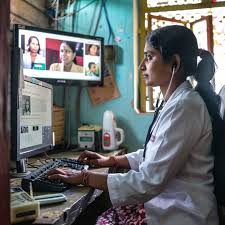
Enhancing telemedicine services presents a transformative opportunity for improving healthcare access and outcomes, particularly in rural and remote areas. Key initiatives include improving digital connectivity and mobile coverage, developing user-friendly technology platforms, and training healthcare professionals to effectively use these services. Establishing clear guidelines for patient consent, data security, and service standards is essential, along with promoting public awareness about the benefits of telemedicine. The Ayushman Bharat Health Account (ABHA) supports this transformation by enabling easy access to digital health records and interactions with verified healthcare providers, advancing telemedicine capabilities.

Reducing out-of-pocket expenses (OoPE) for healthcare is crucial for making healthcare more affordable in India. Strategies to achieve this include expanding and strengthening health insurance schemes, such as the Ayushman Bharat initiative, to subsidize healthcare costs for low-income families. Implementing healthcare credit lines can provide immediate financial relief by offering quick access to funds for medical expenses covered by insurance. Enhancing the quality and capacity of public healthcare facilities can alleviate pressure on private providers, making healthcare more accessible. Emphasizing preventive healthcare measures can reduce future treatment costs by addressing health issues before they escalate. Additionally, capping the costs of essential medicines and treatments, while improving the availability of affordable healthcare services, will further ease the financial burden on households.

A multifaceted approach is required to enhance early screening and preventive care initiatives. Nationwide campaigns to boost awareness about early screening for diseases like cancer and sickle cell anaemia are crucial. Investing in modernizing medical facilities and increasing the number of hospitals will improve accessibility. Expanding medical training programs to increase the doctor-population ratio and ensure healthcare workers are well-equipped for early detection and treatment is essential. Leveraging technology, including telemedicine and health analytics, to identify high-risk populations and optimize resource allocation is beneficial. Strengthening public-private partnerships can enhance health infrastructure, improve access to quality care, and build capacity in primary healthcare centres. Implementing better management systems and cybersecurity measures to protect patient data will support preventive care efforts.

Improving the last-mile delivery of healthcare services requires a comprehensive approach. Increasing the number of medical facilities, including hospitals and mobile health vans, in remote and underserved areas is crucial. Improving infrastructure by upgrading sanitation facilities and waste disposal systems ensures a safe environment. Empowering and training healthcare workers, and working on increasing the doctor-to-population ratio addresses healthcare disparities. Decentralizing services brings healthcare closer to communities, while establishing more medical colleges boosts the supply of qualified professionals. Embracing technology by integrating digital innovations and AI optimizes service delivery. Additionally, improving cold chain infrastructure ensures the safe transport and storage of essential medications. Fostering collaborations with NGOs, international organizations, and the private sector bolsters resources and efficiency in healthcare service delivery. Regular assessments of healthcare facilities and streamlined supply chain management will address bottlenecks and enhance overall service quality.

Developing robust health information systems is essential for enhancing India’s healthcare infrastructure. Implementing Electronic Health Record (EHR) systems can streamline patient data management, allowing for efficient digital storage and retrieval. Investing in telemedicine infrastructure and citizen-centric health information systems facilitates seamless data collection and access. Encouraging states to share health data, such as disease registries, with central authorities improves planning and resource allocation. Utilizing data analytics and AI-driven tools enhances decision-making and patient outcomes. Establishing data governance frameworks and standards ensures data quality, security, and interoperability. These measures enable more effective health management and better allocation of resources, ultimately improving overall healthcare delivery.

Public-private partnerships (PPPs) offer a powerful means to enhance India’s healthcare system by leveraging the combined strengths of both sectors. Integrating private investment through PPPs can drive the development of hospitals, clinics, and diagnostic centers in underserved areas. Key strategies to optimize PPPs include leveraging private sector technology, such as telemedicine for remote consultations and real-time patient data management, while improving efficiency by delegating operational tasks to private entities and allowing the public sector to focus on policy and regulation. Addressing quality of care through collaborative best practices and ensuring that PPPs balance risks and returns to serve public interests are essential. The Viability Gap Funding (VGF) model exemplifies this approach by incentivizing private investment, bridging financial gaps, and fostering infrastructure development. This approach successfully addresses healthcare challenges and stimulates growth.
Enhancing community health programs is crucial for tackling health challenges and improving public health outcomes. Strategies include strengthening rural healthcare by increasing funding and infrastructure and implementing telemedicine to address gaps in doctor-patient ratios and provide care in underserved regions. Expanding and modernizing medical facilities, including the construction of additional hospitals and medical colleges, will improve healthcare access and the doctor-population ratio. Training and motivating health workers, decentralizing public health services to better allocate resources, and boosting community engagement through health education and awareness campaigns are essential. Furthermore, fostering partnerships between government, NGOs, and private organizations can optimize resource use and expertise, while patient-centered care approaches can enhance program effectiveness and overall health outcomes.
Improving monitoring and accountability mechanisms in India’s health infrastructure is essential for efficient resource use and service delivery. Establishing transparent systems to track healthcare funds’ allocation and utilization, and regularly publishing reports on spending and outcomes ensure accountability. Implementing electronic health records (EHRs) and telemedicine systems can enhance tracking of patient data and outcomes. Introducing robust complaint and feedback mechanisms will help identify areas for improvement and foster transparency. Empowering local communities through health education and awareness programs can drive active participation in monitoring and improving healthcare services.

Budget allocations, medical college infrastructure, telemedicine, out-of-pocket expenses, early screening, last-mile delivery, data management, PPPs, community health programs, and monitoring mechanisms, will significantly enhance India’s healthcare infrastructure.
By implementing these comprehensive strategies, India can improve service delivery, increase accessibility, and achieve better health outcomes for its population. Continued investment, innovation, and collaboration will be crucial in transforming India’s healthcare system to effectively and equitably meet the needs of all its citizens. Through concerted efforts and strategic initiatives, India can build a robust and resilient healthcare system capable of delivering quality care to every corner of the nation.
visit arjasrikanth.in for more insights
 SOCIAL PERSPECTIVES