
Navigating Political Turbulence and Economic Challenges in Developed Nations
In an era marked by unparalleled global challenges, developed nations like Japan, the United Kingdom, and the United States are confronting a confluence of political and economic crises. These issues reflect a broader struggle for effective governance, revealing deep-seated problems such as political corruption, ineffective leadership, and economic instability. This article delves into the current political and economic turmoil affecting these nations, with a particular focus on Japan’s crisis as a reflection of broader global issues.
Japan’s political landscape is currently in upheaval, highlighted by the resignation of Prime Minister Fumio Kishida amidst severe economic challenges and widespread public discontent. Kishida’s leadership has been characterized by plummeting approval ratings, largely driven by frustration over a declining yen, rising living costs, and the enduring impacts of the COVID-19 pandemic. This period of instability is indicative of a broader crisis affecting Japan’s political system, reflecting a deep-seated frustration among citizens who feel the government has failed to address their needs effectively.
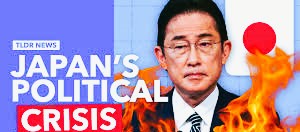
The Liberal Democratic Party (LDP), which has dominated Japanese politics since 1955, faces a critical juncture following Kishida’s resignation. The party’s long-standing dominance has created a sense of complacency, leading to a disconnect between the government and its citizens. This detachment has been exacerbated by the economic challenges of recent years, including the lingering effects of Japan’s “Lost Decade” of the 1990s, which introduced a prolonged period of economic stagnation. The aging population and shrinking workforce have further compounded these issues, raising urgent questions about Japan’s future economic stability.
The LDP’s leadership transition represents more than just a change in leadership; it is an opportunity for Japan to redefine its political narrative and address longstanding economic and social challenges. Potential candidates for new leadership, such as former Defense Minister Shigeru Ishiba and Digital Transformation Minister Taro Kono, bring distinct perspectives to the table. Ishiba’s background in defense and Kono’s efforts in digital modernization offer contrasting yet complementary approaches to governance. The party’s choice of leader will be crucial in addressing the nation’s economic woes and responding to growing public discontent.

Effective leadership is essential for navigating political crises and restoring public confidence, particularly in a nation like Japan that values collectivism and social harmony. The challenges faced by Kishida’s administration underscore the need for governance that prioritizes communication, transparency, and empathy. This is particularly important in the wake of the COVID-19 pandemic, which has exacerbated existing issues and introduced new challenges. The pandemic’s impact on Japan’s economy was severe, with a contraction of 4.8% in the first quarter of 2020 due to supply chain disruptions and reduced consumer spending. The crisis also intensified long-standing problems, such as high debt levels and an aging population.
The government’s response to the pandemic, including fiscal stimulus packages and financial support for affected industries, has provided some stability. Japan’s strong export sector, particularly in electronics and auto manufacturing, has also contributed to this stability. However, the broader economic recovery remains fragile, and the narrative surrounding Kishida’s leadership was heavily influenced by media coverage and public sentiment. As dissatisfaction grew, effective communication with citizens became increasingly critical. The failure to address these concerns only deepened the crisis of confidence.
Political turmoil in developed nations often has significant economic repercussions. Economic stability relies on effective governance, and when governments falter, the consequences can be severe. Political unrest can disrupt trade, cause currency fluctuations, and deter foreign investment, leading to short-term instability. In the long term, such turmoil can result in inflation, economic instability, and even recession. Policymakers and economists must therefore closely monitor political developments and prepare for potential economic fallout to mitigate these impacts and promote a stable business environment.
Japan’s economic challenges are further compounded by the political turmoil within the LDP. The declining yen has raised concerns about inflation and the cost of living, contributing to increased dissatisfaction among citizens. The government’s inability to manage the economy effectively has eroded confidence among investors and consumers, further exacerbating the country’s economic difficulties. This situation reflects a broader pattern seen in other developed nations facing similar issues.

In the United Kingdom, the aftermath of Brexit has created a complex political environment, characterized by ongoing debates about the nation’s future and economic prospects. The political landscape remains turbulent, with economic challenges contributing to political instability. Similarly, the United States is grappling with deep political polarization and a growing distrust in government institutions. These issues have hindered effective policymaking and contributed to economic decline and public disillusionment.

The common thread connecting these nations is the recognition that political stability is crucial for economic growth and societal well-being. As governments struggle with internal strife, the need for effective leadership becomes increasingly urgent. The transition of leadership within Japan’s LDP presents an opportunity to redefine the country’s political narrative and address pressing challenges. The new leadership must prioritize transparency, accountability, and effective communication to rebuild public trust and confidence.
Japan’s incoming leader should focus on innovative solutions to address the nation’s economic challenges, including stabilizing the yen and alleviating the burden of rising living costs. Engaging with the electorate and addressing their concerns will be crucial for rebuilding trust and fostering a sense of unity. Japan can also benefit from examining the experiences of other developed nations facing similar challenges, adopting best practices that resonate with its unique political landscape.
Emphasizing collaborative governance, bipartisan efforts, and active engagement with citizens can pave the way for effective leadership that meets the needs of the populace. The focus should be on creating a political culture that values transparency, integrity, and responsiveness.

In conclusion, the political and economic struggles faced by developed nations, including Japan, highlight the urgent need for effective leadership. Political corruption, ineffective governance, and economic decline are interconnected issues requiring immediate attention. As Japan transitions to new leadership, prioritizing transparency, accountability, and innovative solutions will be essential for rebuilding public trust and addressing economic challenges. The experiences of other developed nations can offer valuable lessons in navigating these complex issues. Ultimately, the future of these nations hinges on their ability to address their challenges effectively and foster a sense of hope and resilience among their citizens.
visit arjasrikanth.in for more insights
 SOCIAL PERSPECTIVES