
As Israel Strikes and Tensions Soar, Voices of Peace Urge for a Ceasefire Amidst Growing Fears of Regional Conflict
The Middle East, a region long marked by conflict and political upheaval, continues to grapple with the shadows of war. In recent times, these tensions have been brought into sharp focus by a targeted strike in Beirut that claimed the life of a senior Hezbollah commander. This incident has heightened anxieties across the region, reigniting fears of retaliation from Iran and its allies and drawing attention to the divergent strategies within Israel’s leadership. As Prime Minister Benjamin Netanyahu appears determined to press on with military operations, other voices, like that of Professor Israel, have emerged advocating for a ceasefire and a return to negotiations. This article delves into the intricate dynamics of the current situation, the motivations driving Israel’s leadership, and the broader implications for peace in the region.
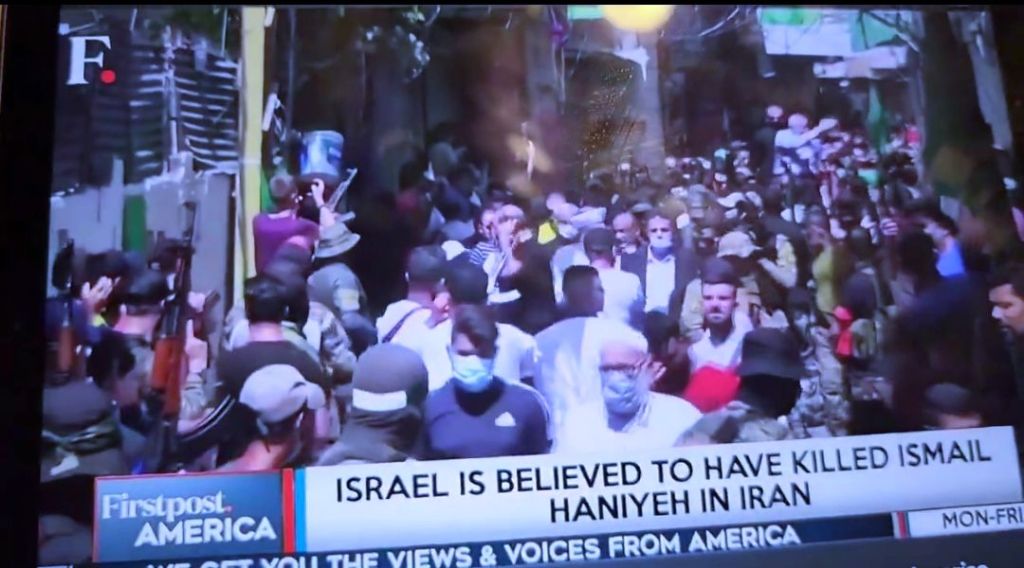
At the heart of the recent escalation lies a profound concern: the potential for a wider conflict that could engulf the entire region. The Middle East, already a tinderbox of historical grievances and religious divisions, is now teetering on the brink of yet another destructive chapter. The targeted killing of a high-ranking Hezbollah commander has not only inflamed tensions but also brought the spectre of war closer to reality. With Iran’s influence stretching across several proxy groups in the region, including Hezbollah, the fear of a retaliatory strike is palpable. This climate of uncertainty and fear underscores the fragility of the current situation, where any miscalculation could lead to an uncontrollable spiral into war.

The international community, acutely aware of the dangers posed by this escalation, has not remained passive. In recent weeks, delegations from the United States, Egypt, and Qatar have engaged in diplomatic efforts to mediate the situation. Their goal has been to broker a ceasefire that could stave off a full-scale war. However, these attempts at mediation have been met with scepticism, both within Israel and among other key players in the region. The deep-seated mistrust that exists between these parties, fuelled by decades of conflict and broken agreements, poses a significant challenge to any meaningful negotiation.
Despite the high stakes, there are those within Israel who believe that now is the time to pursue peace. Professor Israel, a prominent figure in Israeli academia and a staunch advocate for diplomacy, has emerged as a leading voice in calling for a ceasefire. His arguments for de-escalation rest on several key pillars, each underscoring the urgent need to change course.
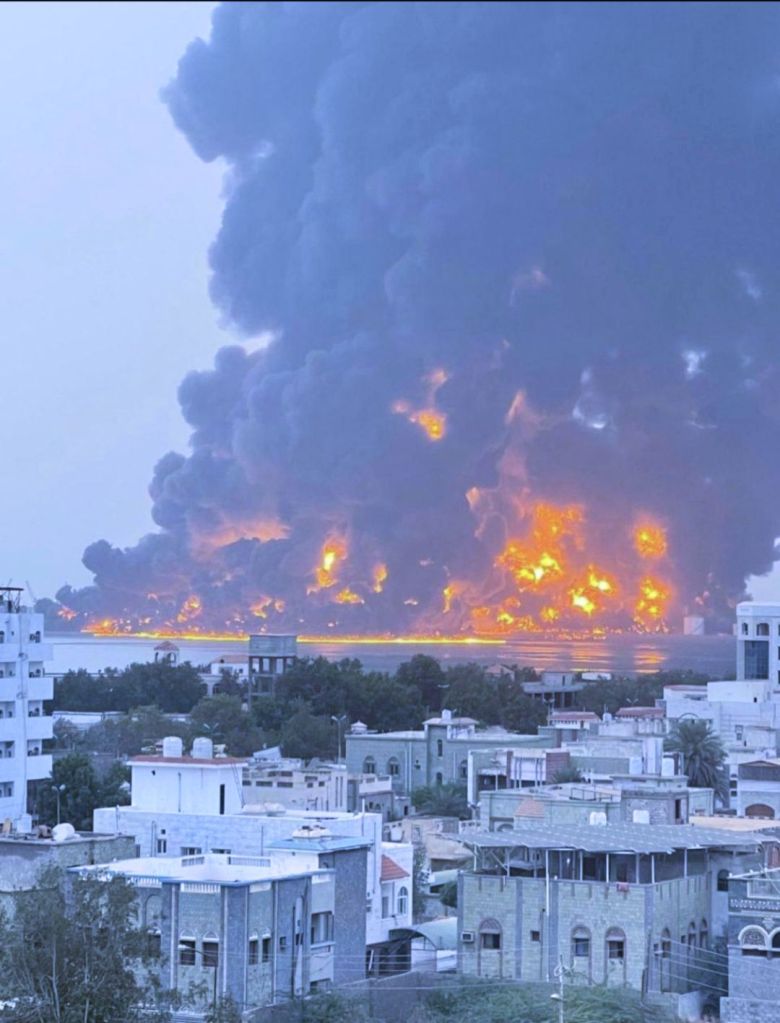
Firstly, Professor Israel argues that continued military action will only exacerbate the situation. He warns that the cycle of violence, if left unchecked, will inevitably lead to further loss of life and destruction. The professor stresses that a ceasefire would provide a critical opportunity for dialogue, allowing all parties to address their grievances without the constant threat of violence hanging over them. He posits that military solutions, while sometimes necessary for immediate defense, are ultimately unsustainable in resolving the deep-rooted issues that plague the region.
Secondly, the human cost of the conflict cannot be overstated. As airstrikes and ground operations continue, it is often the innocent civilians who suffer the most. The casualties mount daily, with families torn apart and communities left in ruins. Professor Israel emphasizes that a ceasefire would serve as a humanitarian pause, creating a window for much-needed aid to reach those in dire need. In his view, halting the violence, even temporarily, could save countless lives and prevent further escalation.
Finally, Professor Israel contends that long-term stability in the Middle East can only be achieved through negotiation. He argues that a ceasefire is not just a temporary measure to stop the fighting but a crucial step toward addressing the underlying issues that fuel the conflict. Without a commitment to dialogue, he believes, the region is doomed to repeat the same patterns of violence that have defined its history for decades.

In stark contrast to Professor Israel’s calls for peace, Prime Minister Netanyahu remains resolute in his commitment to military action. Netanyahu’s motivations for this stance are complex, influenced by both domestic and international considerations. As a leader who has weathered numerous political storms, Netanyahu is acutely aware of the power of public perception, particularly in times of conflict.
One of the key factors driving Netanyahu’s approach is political calculation. With the possibility of an election on the horizon, the prime minister may view continued military operations as a way to solidify his base and project strength. In a country where security concerns are paramount, a leader who appears tough on national defense can garner significant support. Netanyahu likely believes that by taking a hardline stance against groups like Hezbollah, he can bolster his image as a defender of Israel’s interests.
International mediators are crucial to the success of any ceasefire agreement. Countries like the United States, Egypt, and Qatar have played key roles in facilitating dialogue between the parties. Their involvement not only provides a neutral platform for negotiations but also helps to build trust among the conflicting parties. The participation of these international actors signals a collective desire to stabilize the region and prevent further escalation.
Security concerns also play a pivotal role in Netanyahu’s strategy. From his perspective, a robust military response is essential to further aggression from Israel’s adversaries. Netanyahu’s approach aligns with a broader Israeli doctrine that prioritizes military readiness and pre-emptive action as cornerstones of national security. This doctrine, shaped by Israel’s historical experiences and the ever-present threat of attack, underpins much of the prime minister’s decision-making process.
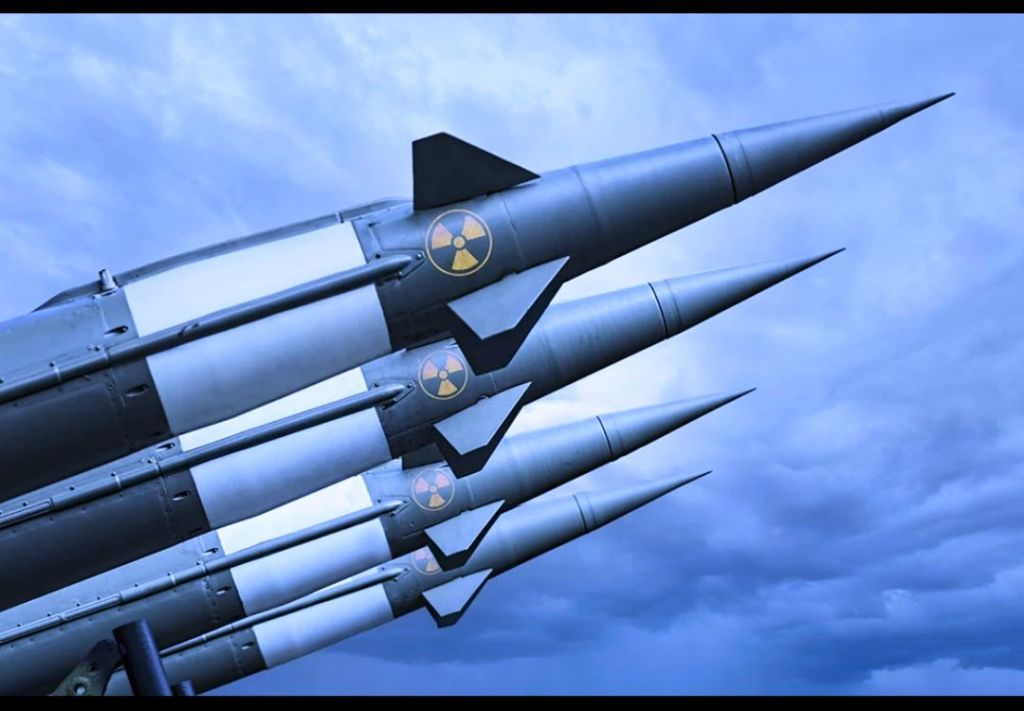
Furthermore, Netanyahu faces the delicate task of balancing domestic and international pressures. While there are calls from the international community, particularly from allies like the United States, for de-escalation, Netanyahu must also navigate the sentiments of his electorate. Many Israelis, particularly those who live in areas frequently targeted by rockets, support a tough stance against perceived threats. Netanyahu’s challenge is to manage these competing pressures in a way that maintains his political standing while also safeguarding Israel’s security interests.

Amidst these differing perspectives, the possibility of a ceasefire has not been entirely dismissed. Recent diplomatic efforts have proposed a framework for negotiations that could lead to a cessation of hostilities. The proposed ceasefire agreement envisions a three-stage process, beginning with an initial six-week period of calm. During this time, discussions would focus on issues such as prisoner exchanges and the reconstruction of areas devastated by the conflict. The hope is that this initial phase could lay the groundwork for more comprehensive negotiations aimed at resolving the broader issues at play.
However, one of the biggest obstacles to achieving a ceasefire is the pervasive skepticism and mistrust that exists among the parties involved. Decades of conflict have left deep scars, and many are wary of entering into negotiations that may ultimately fail. Overcoming this mistrust will require consistent and transparent engagement, as well as a commitment to addressing the concerns of all stakeholders. Building trust in the process is essential for any ceasefire agreement to hold.
The implications of continued conflict are far-reaching, both for Israel and the broader Middle East. Should the violence persist, the region risks descending into a wider war, with devastating consequences. The involvement of Iran and its proxies in the conflict raises the stakes significantly, as a broader confrontation could destabilize not only Israel but also its neighbours.

One of the most immediate concerns is the potential for regional destabilization. The ongoing conflict has already strained relations between Israel and several neighboring countries. A full-scale war could exacerbate these tensions, leading to a broader regional conflict that would be difficult to contain. The humanitarian impact of such a conflict would be catastrophic, with widespread loss of life and destruction.
Moreover, the continuation of hostilities threatens to create a severe humanitarian crisis. As the fighting drags on, access to basic necessities such as food, water, and medical care becomes increasingly limited. The longer the conflict continues, the greater the suffering of civilians on both sides. A prolonged conflict could lead to a humanitarian disaster that would draw international condemnation and further complicate any future peace efforts.
Another significant concern is the perpetuation of the cycle of violence. Each round of conflict breeds further resentment and animosity, making it more challenging to achieve lasting peace. Without a commitment to a ceasefire and meaningful negotiations, the cycle of violence is likely to continue, with each side retaliating against the other in an endless loop of aggression.
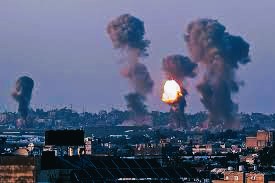
Public opinion plays a critical role in shaping the decisions of leaders, particularly in democratic societies. As the conflict continues, the sentiments of citizens in both Israel and the Palestinian territories will influence the trajectory of negotiations. In Israel, public opinion is often shaped by security concerns and the desire for a strong response to perceived threats. However, there is also a growing awareness of the human cost of the conflict. Among certain segments of the population, particularly those who have directly experienced the consequences of violence, there is a growing call for peace and dialogue.
On the Palestinian side, public sentiment is similarly shaped by the impact of the conflict on daily life. The ongoing violence and lack of progress in negotiations have fuelled frustration and despair among many Palestinians. However, there is also a strong desire for peace and stability. The voices advocating for a ceasefire reflect a broader yearning for a better future, free from the cycle of violence that has plagued the region for so long.
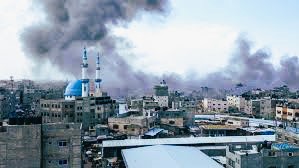
Grassroots movements advocating for peace and reconciliation have the potential to influence leadership decisions on both sides. These movements, which often operate at the community level, can play a crucial role in fostering dialogue and understanding between Israelis and Palestinians. By creating spaces for conversation and collaboration, grassroots initiatives can help to build the trust needed to support a ceasefire and subsequent negotiations.
As the situation in the Middle East continues to evolve, the path forward will require a concerted effort from all parties involved. The complexities of the conflict demand a multifaceted approach that prioritizes dialogue, understanding, and a commitment to peace. There are several key steps that could help to bridge the divide and pave the way for a more stable and peaceful future.
Firstly, fostering dialogue is essential. Engaging in open and honest discussions, whether through formal negotiations or informal gatherings, can help to break down the barriers that have long hindered peace efforts. Creating platforms for dialogue, where all parties feel heard and respected, is crucial for building the trust needed to achieve a cease fire and address the underlying issues.
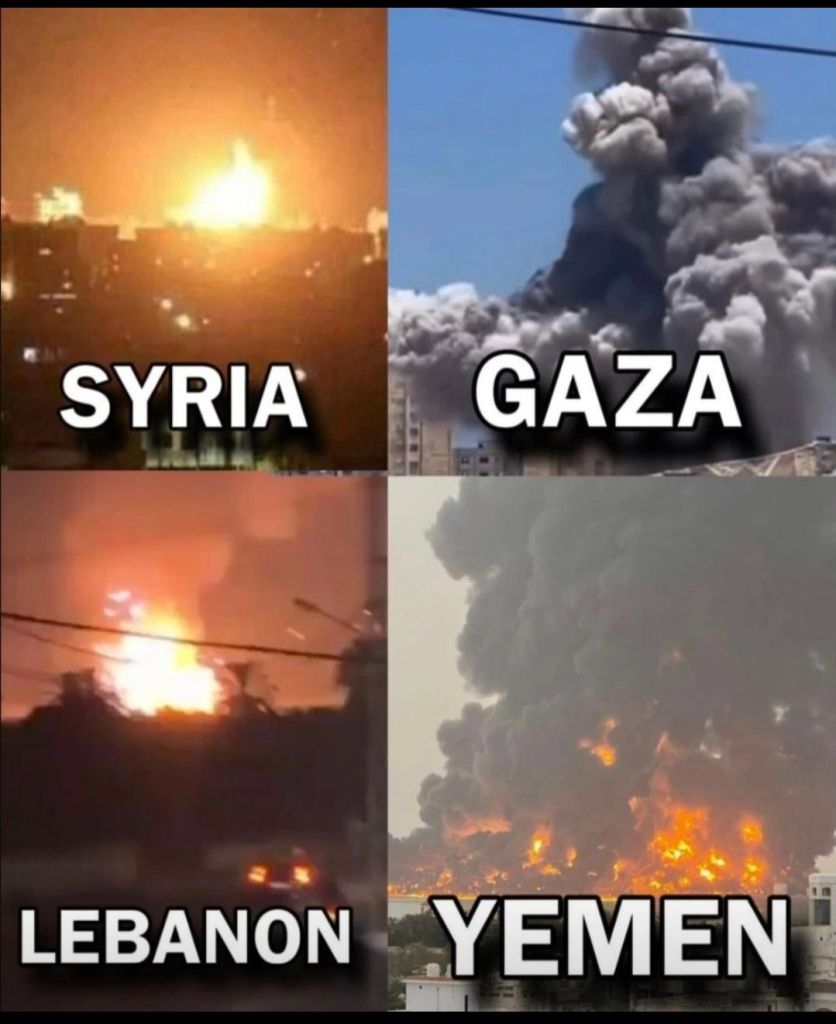
Secondly, addressing the underlying issues at the heart of the conflict is vital. This includes tackling the root causes of the violence, such as territorial disputes, political grievances, and socio-economic disparities. A comprehensive approach to peace must consider these factors and work towards solutions that address the needs and concerns of all stakeholders.
Finally, promoting a culture of peace and coexistence is necessary for long-term stability. This involves not only resolving the immediate conflict but also fostering an environment where Israelis and Palestinians can live side by side in peace. Education, cultural exchange, and community-building initiatives are all critical components of this effort.
In conclusion, the current situation in the Middle East is fraught with challenges and risks. The targeted strike in Beirut and the subsequent escalation of tensions have brought the region to a dangerous crossroads. As Israel’s leadership debates the best course of action, the stakes could not be higher. While Prime Minister Netanyahu remains committed to a military strategy, voices like Professor Israel’s remind us of the urgent need for dialogue and negotiation. The international community, too, has a critical role to play in mediating the situation and preventing a broader conflict. The path forward will not be easy, but with a commitment to peace and a willingness to engage in meaningful dialogue, there is hope that the region can move beyond the cycle of violence and toward a more stable and peaceful future.
visit arjasrikanth.in for more insights
 SOCIAL PERSPECTIVES