
Andhra Pradesh: Igniting the Path to a Prosperous Industrial Future
Andhra Pradesh, endowed with abundant natural resources and strategic geographic advantages, stands at a pivotal moment for significant industrial transformation. Despite its considerable potential, the state’s industrial progress has been hampered by political instability and administrative hurdles. Chief Minister N. Chandrababu Naidu has recently emphasized the necessity for a proactive approach to rejuvenate and advance the industrial sector. This article delves into a strategic roadmap aimed at revitalizing Andhra Pradesh’s industrial landscape, concentrating on several key action points designed to foster sustainable development, attract investments, and establish the state as a major industrial hub.
Chandra Babu Naidu, aligning with the latest technological developments, has taken steps to invite global giants to Amaravati as a visionary leader. The Andhra Pradesh government collaborates with Google and YouTube, with Chief Minister Naidu leading the conference to explore strategic partnerships for technological advancement. The focus includes enhancing digital infrastructure, advancing skill development, and utilizing technology for efficient governance. Google representatives praised the state’s progress, and a proposal for a YouTube Academy in Amaravati was made. An MoU for “AI for Andhra Pradesh, Powered by Google” will address AI applications in agriculture, healthcare, sustainability, skill development, and support for startups and MSMEs through digital credit.

A comprehensive industrial policy is crucial for unlocking Andhra Pradesh’s industrial potential. The envisioned policy should offer clear incentives for investors, streamline regulations, and provide extensive support mechanisms. By reducing bureaucratic delays and offering tax benefits, subsidies, and infrastructure support, the policy aims to cultivate a business-friendly environment. It will be structured around nine essential pillars: economic growth, port-led development, enhanced logistics, state-of-the-art industrial spaces, complete investor facilitation, job creation, workforce enhancement, and entrepreneurship development. This multi-faceted strategy is designed to drive sustainable industrial growth and position Andhra Pradesh prominently in the industrial sector.

Micro, Small, and Medium Enterprises (MSMEs) are integral to economic development and innovation. The new Andhra Pradesh MSME Policy aims to create a supportive ecosystem by improving access to credit, technology, and markets. Key components include easing regulatory compliance, providing financial aid, and expanding training programs. The policy also focuses on increasing exports, fostering innovation, and supporting entrepreneurship among women, youth, and differently-abled individuals. The 2024 Union Budget reinforces this support through initiatives such as new Public Sector Bank credit assessments, expanded MUDRA loans, stress-period credit support, and a Credit Guarantee Scheme, all designed to boost MSME competitiveness and sustainability.

The food processing sector in Andhra Pradesh has significant growth potential, leveraging the state’s robust agricultural base. An effective policy should improve infrastructure, integrate advanced technology, and enhance market access. Establishing processing units near farms and developing cold storage facilities will minimize post-harvest losses and add value. The Andhra Pradesh Food Processing Policy (APFPS), supported by Pradhan Mantri Krishi Sichaman Yojana (PMKSY), aims to create mega food parks, integrated cold chains, and agro-processing clusters. It emphasizes strengthening food safety, quality assurance, human resources, and comprehensive backward and forward linkages.

To establish Andhra Pradesh as a leading hub for electronics, IT, and cloud computing, a specialized policy is essential. This policy should provide significant incentives for technology firms, substantial investments in digital infrastructure, and robust support for research and development. It will be based on four foundational pillars: infrastructure development for advanced digital networks and data centers; incentives offering financial and tax benefits to attract tech companies; human resource development focusing on education and training for emerging technologies; and good governance ensuring transparent regulations. The new Electronics, IT, and Cloud Policy will enhance security, reliability, and efficiency while driving innovation in areas like data protection, cybersecurity, sustainability, and cutting-edge IT investments.

The Andhra Pradesh New Textile Policy aims to strengthen the state’s textile industry by converting a significant portion of locally produced yarn into fabric and garments. This initiative positions Andhra Pradesh as a global textile destination, attracting substantial investments in value-added textile activities. Industries can either continue benefiting from incentives under the previous policy or transition to the new one. The policy focuses on modernizing production facilities, promoting sustainable practices, and enhancing global competitiveness through advanced technologies, innovation, and high-quality standards, driving growth and sustainability in the sector.
Creating an investor-friendly environment in Andhra Pradesh involves streamlining regulatory processes and reducing bureaucratic barriers. Simplifying approval procedures and enhancing transparency are crucial for attracting domestic and foreign investments. Establishing a single-window clearance system and improving the ease of doing business are critical steps. Proactive measures include industry-specific clusters, simplified business setup procedures, subsidies, tax exemptions, and land acquisition support. Programs like Start-up Andhra Pradesh and Vision 2047 focus on entrepreneurship and innovation, making Andhra Pradesh a compelling destination for investors.
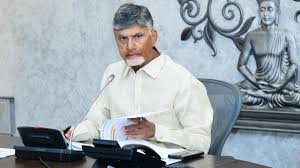
Rebuilding trust with industrialists is essential for restoring confidence and attracting new investments. This involves consistent policy implementation, transparent decision-making, and addressing past grievances. Establishing a dedicated task force to address investor concerns and provide timely solutions is crucial. Building trust also requires maintaining strong relationships with stakeholders, including investors, customers, and employees. This can be achieved through clear communication, a commitment to ethical practices, and the consistent delivery of high-quality products or services. Promoting a culture of transparency and accountability, while engaging with local communities and respecting their concerns, will further enhance trust and support long-term sustainability.
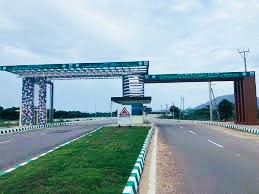
Developing industrial clusters in locations such as Kuppam, Moolpet, Chilamathur, Donakonda, and Pamuru will drive targeted industrial growth by concentrating resources and infrastructure. Each cluster should focus on distinct industries like electronics, pharmaceuticals, food processing, and hardware, offering specialized infrastructure and support services tailored to these sectors. Industrial clusters can be categorized into traded clusters, catering to external markets, and local clusters, serving regional needs. Successful examples in India include the Kollam-Thiruvananthapuram cluster, Mumbai-Pune region, Bangalore-Tamil Nadu area, and the Vishakhapatnam-Chennai belt. These clusters enhance productivity by providing economies of scale, specialized skills, technologies, and streamlined supply chains. Andhra Pradesh can promote industrial cluster formation by identifying strategic locations, conducting feasibility studies, creating master plans, and leveraging government incentives for successful implementation.

Advancing the Krishnapatnam industrial node is crucial for enhancing Andhra Pradesh’s industrial capacity. Spanning 14,200 acres across two sites, it is located 80 km north of Chennai in the Nellore district. As a significant hub under the Chennai Bengaluru Industrial Corridor (CBIC), it hosts industries such as petroleum refining and petrochemicals. The Centre has approved Rs 2,139.44 crore for its development, aiming for rapid industrialization and 98,000 new jobs in the first phase. Success in this endeavor depends on timely progress, infrastructure development, and addressing delays. Plans include creating world-class facilities, enhancing road and rail connectivity, and ensuring reliable power supply.

The Nakkapalli Bulk Drug Park is a vital project requiring prompt development to meet financial and operational targets, secure investments, and obtain necessary approvals. Andhra Pradesh has established AP Bulk Drug Infrastructure Corporation Ltd. as the state’s implementing agency for this pharmaceutical hub in Anakapalli district. Sanctioned by the Union government alongside similar projects in Himachal Pradesh and Gujarat, the park has a budget of Rs 1,672 crore. Spanning 2,001 acres across five villages, 50.4% of the land will accommodate industries, while the remainder will be used for infrastructure. The state has recently invited proposals for the park’s design, construction, and commissioning, estimated at Rs 1,234 crore, excluding GST.
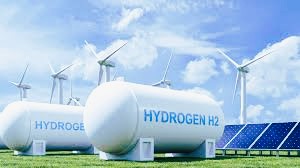
The NTPC Green Hydrogen Hub in Pudimadaka, Visakhapatnam, represents a strategic shift towards sustainable energy. In February 2024, NTPC Green Energy Limited (NGEL) and Andhra Pradesh Industrial Infrastructure Corporation (APIIC) signed a 1,200-acre land lease agreement for this $8 billion project. As India’s largest green hydrogen facility, it will produce 1,200 tons of green hydrogen daily, along with green ammonia and methanol for export to South Asia. The project, aimed at boosting the local economy and promoting sustainable energy, is expected to complete its first phase by 2026 and the final phase by 2032, with a total investment of Rs 65,370 crore.
Facilitating ongoing discussions and decision-making for BPCL projects is crucial for their successful implementation. Addressing project-related issues promptly and supporting development will maximize investment benefits. BPCL plans to build a 12 MMTPA refinery, estimated at Rs 50,000 crore, with potential locations in Andhra Pradesh, Uttar Pradesh, and Gujarat. Chief Minister N. Chandrababu Naidu met BPCL officials to explore establishing an oil refinery and petrochemical complex in Andhra Pradesh, which could attract Rs 70,000 crore in investments.

The development of industrial corridors in Andhra Pradesh, such as the Visakhapatnam-Chennai Industrial Corridor (VCIC) and the Chennai-Bengaluru Industrial Corridor (CBIC), is crucial for the state’s economic growth. However, these projects face challenges, including land acquisition, funding, and infrastructure development. To overcome these hurdles, the state government must ensure timely acquisition, secure necessary approvals, and attract investments. Streamlining processes and fostering partnerships with stakeholders will accelerate progress. Successful implementation of these corridors will stimulate industrial growth, create jobs, and enhance regional connectivity.

In conclusion, Andhra Pradesh stands on the brink of a transformative industrial era, poised to become a major industrial hub in India. Under Chandra Babu Naidu’s visionary leadership, the state has made significant strides in aligning with the latest technological developments and attracting global giants to Amaravati. The Andhra Pradesh government’s collaboration with Google and YouTube, spearheaded by Chief Minister Naidu, aims to forge strategic partnerships for technological advancement, focusing on enhancing digital infrastructure, advancing skill development, and utilizing technology for efficient governance. Google representatives have lauded the state’s progress, proposing a YouTube Academy in Amaravati and an MoU for “AI for Andhra Pradesh, Powered by Google,” addressing AI applications in agriculture, healthcare, sustainability, and supporting startups and MSMEs through digital credit. The strategic roadmap includes comprehensive industrial policies, MSME support, and advancements in the food processing sector, electronics, IT, and textiles. By improving the investment climate, rebuilding trust with industrialists, and developing key industrial clusters and nodes, Andhra Pradesh can unlock its vast potential. Projects like the Krishnapatnam industrial node, Nakkapalli Bulk Drug Park, and NTPC Green Hydrogen Hub highlight Andhra Pradesh’s commitment to industrial growth and sustainability. With concerted efforts to tackle existing challenges and foster a supportive environment for investors and businesses, Andhra Pradesh is well-positioned for sustained industrial advancement, economic growth, and enhanced global standing.
visit ajrasrikanth.in for more insights
 SOCIAL PERSPECTIVES