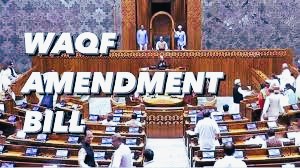
Navigating the Waters of Reform: The Challenges and Opportunities in Waqf Board Amendments!!
Historically, Waqf boards have been instrumental in supporting the welfare of the Muslim community in India. Established under the Waqf Act of 1954, these boards were created to manage and regulate Waqf properties—assets dedicated to charitable and religious purposes. With Waqf properties spanning over eight lakh acres, these boards oversee some of the largest land holdings in India, second only to those held by the government and the Railways. Despite their significant assets, the effectiveness of Waqf boards has come under increasing scrutiny. Critics argue that vested interests have transformed these institutions into ornamental entities with authoritative control rather than entities that genuinely support community welfare.
The concept of Waqf dates back to the Mughal era when properties were dedicated to support religious and charitable activities. The original intent behind establishing Waqf boards was to manage these assets effectively for the benefit of the Muslim community, ensuring that income generated from these properties was utilized for charitable purposes such as education, healthcare, and social welfare. Over time, Waqf boards became central to managing these assets, which were legally considered the property of Allah, intended to serve public or familial needs as a charitable social service.
However, the management of these properties has faced numerous challenges. Despite the introduction of the Waqf Act of 2013, aimed at streamlining the administration of these boards, issues concerning effectiveness, transparency, and accountability persist. The vast tracts of land and substantial financial assets overseen by the boards have been marred by mismanagement, corruption, and a lack of transparency.

Critics argue that Waqf boards have deviated from their core objectives due to the influence of vested interests. Mismanagement and corruption within these boards have led to widespread criticism. Income generated from Waqf properties has often not been used effectively, resulting in significant losses and underutilization of these assets. For instance, properties have been undervalued, and rental income has been reported as significantly lower than potential market rates.
Transparency and accountability have been major concerns. Issues such as opaque financial practices, inadequate reporting, and limited oversight have exacerbated problems within these institutions. Although the Waqf Act of 2013 introduced measures for better management and oversight, many stakeholders believe these measures have been insufficient.
In response to these challenges, there have been growing demands for reforming Waqf boards. The recent proposal for amendments to the Waqf Act has sparked intense debate among stakeholders. The Waqf (Amendment) Bill, 2024, introduces several key changes aimed at addressing the deficiencies of the current system.
One of the key features of the proposed amendments is the inclusion of a new board structure that incorporates representatives from both the Rajya Sabha and Lok Sabha. This change aims to ensure a diverse range of perspectives, including both Muslims and non-Muslims. The inclusion of political representatives is intended to broaden the board’s representation and enhance its effectiveness. However, this move has raised concerns about potential political interference and imbalances in power.
The bill also proposes a significant role for district collectors in decision-making processes. This change is intended to bring in administrative expertise and local knowledge to the management of Waqf properties. Nonetheless, this proposal has sparked concerns about the potential for political influence and the centralization of power, which could affect the board’s operations and decision-making processes.

Enhanced transparency and accountability are another focus of the proposed amendments. The bill aims to address long-standing issues related to the management of Waqf properties by introducing clearer guidelines and oversight mechanisms. This includes measures to ensure that income from Waqf properties is used effectively for the intended charitable purposes.
Despite the promising nature of these reforms, their implementation faces significant challenges. One of the primary obstacles is resistance from existing board members and their supporters. Many view the proposed changes as an infringement on their authority and a potential dilution of their influence. This resistance could manifest in various forms, including legal challenges and protests.
Another challenge is the potential for increased political interference. The inclusion of political representatives from both the Rajya Sabha and Lok Sabha in the Waqf boards could lead to the boards being used as platforms for political agendas rather than focusing on community welfare. The historical context of politicization in similar institutions raises concerns about the effectiveness of the proposed reforms.
Financial transparency remains a contentious issue. Although the proposed amendments aim to enhance accountability, implementing mechanisms to prevent mismanagement and corruption will be crucial. Historical examples of undervalued properties and low rental income highlight the need for robust financial oversight and transparent reporting practices.

Ensuring the representation of marginalized communities, particularly women and children, is another critical area of focus. Historically, these groups have been underrepresented in decision-making processes. The reforms must ensure that their voices are heard and actively sought in shaping policies and initiatives. This could involve creating specific seats on the board reserved for representatives of these communities or establishing advisory councils to provide insights and recommendations.
The proposed reforms present several opportunities for positive change within the Waqf system. Many Waqf properties are currently not generating their full potential in terms of revenue or social impact. By implementing fair rental practices and promoting responsible management, these properties can become valuable assets for the community. Partnerships with private entities could bring in expertise and resources to maximize the properties’ value and impact, ensuring that the profits are channelled back into community welfare initiatives.
Legal clarity is another critical component of the reforms. The proposed amendments aim to provide clear guidelines on property management, usage, and protection. Legal clarity will help safeguard Waqf properties from encroachment and misuse, and empower the boards to take decisive action against these issues. Establishing a robust legal framework is essential for preventing future conflicts and ensuring smooth operations.
Empowering most marginalized communities with in the community is another significant aspect of the proposed reforms. By ensuring that the voices of these communities are heard, the reforms can lead to more targeted initiatives aimed at addressing their specific needs. This could involve creating advisory councils or reserved seats on the board to represent these communities, ensuring that their needs are adequately addressed.
Implementing robust financial oversight mechanisms, such as mandatory audits and independent review bodies, can enhance trust and ensure that funds are directed towards intended charitable purposes. This will address past issues of mismanagement and revenue loss, promoting greater accountability within the Waqf boards.
The proposed reforms to the Waqf boards represent a crucial step toward revitalizing these important institutions. The Waqf (Amendment) Bill, 2024, introduced by the Government of India on August 8, aims to address issues of mismanagement, political interference, and underrepresentation through over 40 amendments. Key changes include ensuring representation for Muslim women and non-Muslims, involving district collectors in dispute resolution, and removing Section 40, which permits unverified property claims. The bill also proposes a separate board for Bohra Muslims and inclusive representation for various Muslim communities.
The proposed reforms to the Waqf boards represent a significant opportunity to restore their intended role in supporting the Muslim community in India. By introducing comprehensive changes such as increased political representation, enhanced oversight, and legal clarity, the Waqf (Amendment) Bill, 2024, aims to address longstanding issues of perceived mismanagement, corruption, and lack of transparency. The inclusion of diverse perspectives, such as those from the Rajya Sabha and Lok Sabha, and the involvement of District Collectors in decision-making processes are steps toward improving the effectiveness and accountability of these boards. However, challenges such as resistance from existing members and potential political interference must be navigated carefully. Ensuring that marginalized communities, including women and children, have a voice in the reforms will be crucial for creating an inclusive and effective Waqf system. If implemented successfully, these reforms could rejuvenate the Waqf boards, ensuring that they fulfil their original purpose of promoting charitable and religious activities for the benefit of the community.
visit arjasrikanth.in for more insights
 SOCIAL PERSPECTIVES