
Bridging the Last Mile: The Transformative Impact of ITDAs in Tribal Development
India’s development journey is an intricate tapestry woven with the diverse cultures, languages, and lifestyles of its people. Among these, the tribal communities represent a vital thread, contributing to the nation’s rich heritage and vibrant cultural mosaic. However, these communities often inhabit the most remote and inaccessible areas, making them the last mile in the connectivity of developmental initiatives. To address the unique challenges faced by tribal populations, India has instituted Integrated Tribal Development Agencies (ITDAs) dedicated to their holistic development in health, livelihood, quality of life, and education. These agencies provide a comprehensive approach, often led by junior IAS officers, who devise and implement strategies tailored to the specific needs of these deserving communities.
Integrated Tribal Development Agencies (ITDAs) were established in the 1970s to deliver public goods and services to Scheduled Tribes more effectively. The ITDA model is designed to address the multifaceted needs of tribal populations, ensuring that development reaches even the most isolated areas. This holistic approach encompasses various aspects of life, including health, education, infrastructure, and livelihood opportunities. By focusing on these critical areas, ITDAs aim to uplift tribal communities, enabling them to achieve sustainable development and improved quality of life.
One of the most remarkable success stories of ITDAs in recent years is the ‘Super 50’ initiative in Paderu, Andhra Pradesh. Spearheaded by Mr. V. Abhishek, a dedicated junior IAS officer, this program exemplifies how targeted educational interventions can transform lives and inspire entire communities.
In September 2022, the ITDA Paderu organized a screening test for bright students from 120 schools across the 11 mandals in the Paderu region. The top 50 students (25 boys and 25 girls) were selected to receive specialized coaching aimed at excelling in their SSC (Secondary School Certificate) examinations. With a budget of ₹15 lakh, the ITDA renovated two old buildings to house these students, providing them with accommodation, food, and intensive training.

The results of this initiative were nothing short of spectacular. In the SSC exams, 24 of the 50 students scored over 500 marks out of 600, with several achieving more than 550 marks. A standout performer was a tribal girl from G.K. Veedhi, who scored an impressive 585 marks. This marked the first time a student from the Paderu region had crossed the 500-mark threshold, setting a new benchmark for academic excellence in the area.
Mr. Abhishek’s innovative approach didn’t stop at academic coaching. He also organized counselling programs and educational tours to Visakhapatnam, exposing the students to various public sector units and tourist spots. This holistic development strategy ensured that the students were well-rounded and motivated to pursue higher education and professional success.
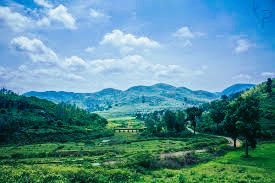
Buoyed by the success of the first batch, the ITDA Paderu has launched a second ‘Super 50’ batch for the academic year 2023-24. This time, the selection process was expanded to include students from ZP High Schools in addition to Ashram schools, with 426 students (toppers of Class 9 exams) vying for a spot in the prestigious program.
The second batch comprises 29 girls and 21 boys, who are receiving coaching in separate facilities to ensure a conducive learning environment. The training regimen includes daily classes covering four subjects, followed by evening study hours and doubt-clearing sessions. Additionally, the program incorporates various extracurricular activities such as essay writing, elocution competitions, sports, and motivational movie screenings to build confidence and foster holistic development.
The success of the ‘Super 50’ initiative in Paderu is a testament to the transformative potential of ITDA programs. By providing targeted support and resources, these agencies can create lasting change in the lives of tribal communities. The holistic approach adopted by ITDAs addresses multiple facets of development, from education and health to livelihood and infrastructure.
Beyond education, ITDAs implement various health and livelihood initiatives to improve the overall well-being of tribal populations. Health camps, mobile medical units, and awareness programs are organized to address common health issues and ensure access to medical care. Livelihood programs focus on skill development, sustainable agriculture, and income-generating activities, enabling tribal families to achieve economic self-sufficiency.
Improving infrastructure in remote tribal areas is another critical aspect of ITDA initiatives. This includes the construction of roads, bridges, schools, and healthcare facilities, which are essential for connecting tribal communities to the broader development landscape. By enhancing infrastructure, ITDAs facilitate better access to education, healthcare, and economic opportunities, ultimately improving the quality of life for tribal populations.

Junior IAS officers play a pivotal role in the success of ITDA initiatives. Their on-the-ground presence, combined with their strategic vision and administrative capabilities, enables them to devise and implement effective development plans tailored to the unique needs of tribal communities. Officers like Mr. V. Abhishek exemplify the dedication and innovation required to drive meaningful change in these regions.
The story of the Integrated Tribal Development Agency (ITDA) and its initiatives underscores the importance of inclusive development in bridging the last mile connectivity for tribal communities. Programs like the ‘Super 50’ batch in Paderu demonstrate how targeted educational interventions can inspire and uplift entire communities, breaking the cycle of poverty and enabling future generations to achieve their full potential.
The holistic approach adopted by ITDAs, encompassing health, education, livelihood, and infrastructure, ensures that tribal populations receive the comprehensive support they need to thrive. By empowering junior IAS officers to lead these initiatives, India is investing in the strategic development of its most vulnerable and deserving citizens.
As we continue on the path of development, it is crucial to recognize and support the efforts of ITDAs and the dedicated officers who lead them. Their work is not just about delivering services; it is about transforming lives and building a more inclusive and equitable society for all. The success of ITDAs in regions like Paderu serves as a beacon of hope and a model for sustainable development, demonstrating that with the right support and resources, even the most remote communities can achieve remarkable progress.
Educational initiatives include the Super 50 Batch, which provides targeted coaching for talented students to excel in SSC exams, leading to significant academic achievements and increased access to higher education. Scholarship programs offer financial support for tribal students pursuing higher education and professional courses, while vocational training programs enhance employability and income-generating opportunities through skill development. These efforts collectively aim to empower tribal students by improving their academic prospects and providing them with the necessary skills to thrive in various professional fields.

Mobile Medical Units deliver healthcare services to remote tribal areas via mobile clinics and health camps. Awareness campaigns focus on hygiene, nutrition, maternal and child health, and preventive healthcare. Additionally, infrastructure development includes the construction and renovation of healthcare facilities in tribal regions. These combined efforts ensure comprehensive medical care, promote health education, and improve the overall health infrastructure, enhancing the well-being of tribal communities.
Livelihood initiatives encompass various projects aimed at uplifting tribal communities by enhancing their economic self-sufficiency and quality of life. Agriculture and horticulture projects promote sustainable farming practices, providing technical support and resources to improve productivity and income. Handicrafts and artisanal support involve training and marketing assistance for tribal artisans, helping preserve traditional crafts while generating income. Self-Help Groups (SHGs) are encouraged to foster savings, credit access, and entrepreneurial activities. Infrastructure development plays a crucial role, with road and bridge construction improving connectivity to education, healthcare, and markets. Water and sanitation projects ensure access to clean water and sanitation facilities, significantly enhancing health and living conditions. Housing programs offer safe and affordable housing for tribal families, contributing to overall community stability. Future directions and recommendations include strengthening partnerships with NGOs and the private sector, advocating for policies prioritizing tribal development, implementing robust monitoring and evaluation frameworks, investing in capacity building for ITDA staff and local leaders, and encouraging active community participation in planning and decision-making processes. These comprehensive efforts aim to create sustainable development and improved quality of life for tribal populations.
Strengthening partnerships involves collaborating with NGOs, the private sector, and international organizations to enhance the reach and impact of ITDA initiatives. Policy advocacy focuses on promoting policies that prioritize tribal development and address systemic challenges. Implementing robust monitoring and evaluation frameworks is essential to assess program effectiveness and identify areas for improvement. Capacity building entails investing in training and development for ITDA staff and local leaders to ensure sustainable and impactful implementation of initiatives. Encouraging active community participation in planning and decision-making processes is crucial to ensure that development initiatives align with the needs and aspirations of tribal communities.
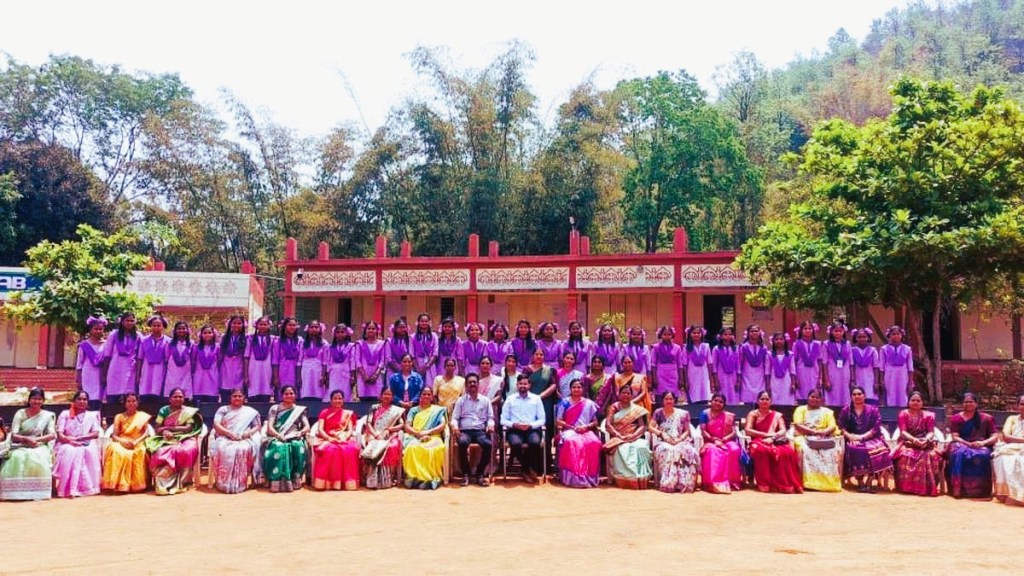
The success of ITDAs, especially the ‘Super 50’ initiative in Paderu led by Mr. V. Abhishek, underscores the profound impact of targeted educational interventions on tribal communities. Through holistic approaches that address health, education, livelihood, and infrastructure, ITDAs play a pivotal role in uplifting these marginalized populations. By providing resources and support, they not only enhance academic outcomes but also promote comprehensive development. Initiatives like ‘Super 50’ showcase how dedicated efforts can break the cycle of poverty and inspire future generations. As India progresses, the contributions of ITDAs and the dedicated junior IAS officers leading them remain crucial in ensuring inclusive and equitable growth for all, leaving no one behind in the nation’s development journey.
Visit arjasrikanth.in for more insights
 SOCIAL PERSPECTIVES