
Empowering Small Enterprises to Fuel India’s Economic Growth
As India embarks on its ambitious journey to become a $5 trillion economy, the Union Budget 2024 underscores the pivotal role of Micro, Small, and Medium Enterprises (MSMEs) in driving this growth. These enterprises are not just the backbone of the economy; they are the engines of innovation, employment, and inclusive development. Key initiatives include a substantial increase in credit allocation, the establishment of a dedicated MSME Credit Guarantee Fund, tax incentives, streamlined compliance processes, and an extended tax holiday for start-ups. Additionally, significant funds have been allocated for skill development and capacity-building, along with initiatives for technology upgrades and training programs, aimed at enhancing MSME competitiveness and supporting their growth and expansion.
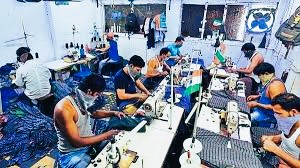
Micro, small, and medium enterprises (MSMEs) are crucial to India’s economic growth and development. They provide employment to over two crore people, particularly in economically disadvantaged areas, helping to reduce poverty and promote inclusive growth. MSMEs contribute approximately 22-33% to India’s GDP and produce goods and services worth nearly USD 1 trillion annually. They play a significant role in exports, accounting for 40-50% of India’s total export volume, which bolsters international trade and economic stability. In manufacturing, MSMEs are responsible for one-third of the country’s output and drive entrepreneurship and innovation, enhancing competitiveness and productivity. Additionally, they help reduce defense costs by prompting foreign companies to lower prices.
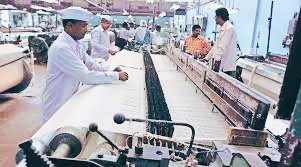
India should invite foreign companies moving out of China to shift their manufacturing base to India. By promoting policies like ‘Atmanirbhar Bharat’ and ‘Make in India’ on a larger scale, India can provide a conducive environment for these companies. Embracing ‘Vocal for Local’ will give local brands a stronger presence in the Indian market. Supporting the MSME and agriculture sectors is crucial. The government should implement business-friendly policies, such as tax relief, to attract foreign companies, thereby generating employment. Introducing easy loan facilities will encourage new businesses. India’s focus should shift from a consumption-based to an export-based economy. These efforts will create a supportive environment for small businesses, generate employment, and boost the overall economy.

To support MSMEs, the government has implemented several measures. Simplified procedures have been introduced by consolidating environmental clearances and allowing self-certification for returns. The Government e-Marketplace (GeM) platform facilitates public procurement from MSMEs, expanding their market reach. The Udyam Registration system streamlines access to government benefits and schemes. The CHAMPIONS Portal offers guidance and support to help MSMEs become national and global leaders. With MSMEs contributing about 30% to GDP, 40% to exports, and creating over 110 million jobs, their role in India’s economic development is indispensable.
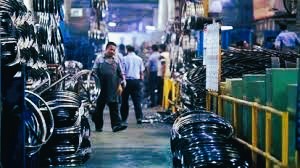
The Micro, Small, and Medium Enterprises (MSME) sector is crucial to India’s economy but faces challenges in accessing credit. To address this, the Indian government has introduced several initiatives, including the MSME Credit Guarantee Fund. This fund provides collateral-free loans with a guarantee cover of up to 75% for credit facilities up to Rs. 50 lakh—85% for loans up to Rs. 5 lakh for micro enterprises, 80% for women-owned MSEs, and all loans to the North-Eastern Region (NER). Additionally, Rs. 100 crore has been allocated for MSME loans, ensuring accessible financing for growth and development.
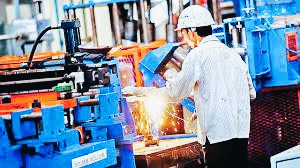
To support MSMEs, the Indian government offers several tax incentives. Corporate tax rates for MSMEs with annual sales up to Rs. 250 crore have been reduced from 25% to 20%. MSMEs can also choose a lower tax regime at 25% under Section 115BAA. Additionally, an investment allowance of 15% is available for investments in plant and machinery under Section 32AC. MSMEs benefit from exemption from minimum alternate tax and accelerated depreciation. The Goods and Services Tax (GST) regime allows input tax credits. These measures aim to lower the tax burden, encouraging investment and job creation in the MSME sector.
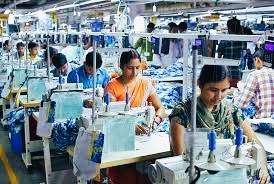
The Indian government has allocated Rs 5,000 crores to enhance skill development and capacity-building for MSMEs. This initiative includes establishing dedicated training centres in every district and designing customized programs for 500,000 MSME employees. A subsidy of up to ₹2,000 per month per candidate, for a maximum of six months, will be provided for training expenses. Certificates from the National Skill Development Corporation (NSDC) will be issued upon successful assessment of the acquired skills. This program aims to boost the competitiveness and productivity of MSMEs by equipping their workforce with industry-relevant skills and improving employability and entrepreneurship. The initiative covers various sectors, enhancing overall economic growth and innovation.
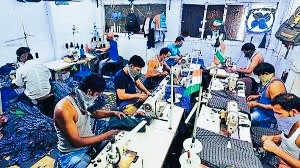
To boost the competitiveness of MSMEs, the government is introducing significant upgrades in technology support. A substantial Rs 1,000 crores will be allocated to establish the National MSME Technology Upgradation Fund, aimed at modernizing operations. This fund will offer subsidies for cloud-based ERP solutions to 100,000 enterprises, enhancing their operational efficiency. Additionally, partnerships with leading tech companies will provide training and mentorship to 50,000 MSMEs, fostering innovation and skill development.
The government’s ongoing Credit Linked Capital Subsidy and Technology Upgradation Scheme (CLCS-TUS) also supports MSMEs by funding energy-efficient technologies, design improvements, and lean manufacturing practices. These initiatives aim to reduce production costs, increase energy efficiency, and drive the adoption of green technologies. By investing in these upgrades, MSMEs will improve their global competitiveness, reduce costs, and contribute to sustainable economic growth.
The Ease of Doing Business (EoDB) for MSMEs in India has seen significant improvements due to recent reforms and digitization efforts. According to a PHDCCI survey from May 2022, the overall EoDB score for MSMEs stands at 64, with manufacturing sector MSMEs at 67 and service sector MSMEs at 61. The World Bank’s Doing Business Report highlighted India’s progress, noting a rise in the EoDB ranking from 142nd in 2014 to 63rd in 2020. Key reforms include streamlining tax compliance processes to cut filing time and costs by 30%, simplifying registration and licensing procedures, and digitizing services. The introduction of e-wallets for dues payments has further reduced compliance burdens. These measures have increased transparency and made it easier for MSMEs to start, operate, and expand their businesses, thereby boosting their contribution to India’s GDP and employment.

In conclusion, MSMEs are the cornerstone of India’s economic ambitions, playing a critical role in driving growth, innovation, and employment. The Union Budget 2024 has highlighted the importance of this sector by introducing various initiatives aimed at supporting and enhancing its capabilities. From credit and financing to tax incentives, skill development, technology upgradation, and ease of doing business reforms, the government is committed to creating a conducive environment for MSMEs to thrive. By inviting foreign companies to shift their manufacturing base to India and embracing policies like ‘Atmanirbhar Bharat’ and ‘Make in India,’ India can strengthen its position as a global manufacturing hub. These efforts will not only boost the MSME sector but also propel India towards its goal of becoming a $5 trillion economy, ensuring sustainable and inclusive economic growth for the future
Visit arjasrikanth.in for more insights
 SOCIAL PERSPECTIVES
One response to “MSMEs: The Backbone of India’s Journey to a $5 Trillion Economy”
land
LikeLike