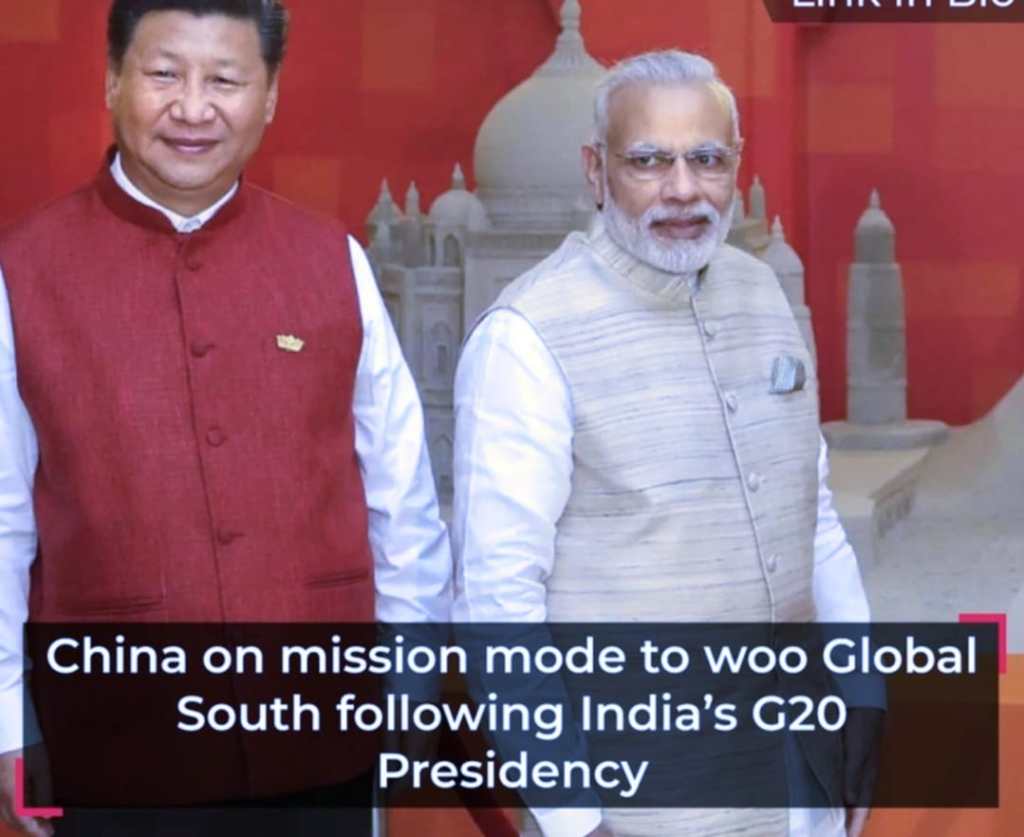
From Western Focus to Global South Dominance: China’s Strategic Pivot is Reshaping the Economic Landscape
China’s economic ascent has significantly reshaped global commerce, shifting its focus from developed Western nations to the Global South, which includes Southeast Asia, South Asia, Latin America, Africa, and the Middle East. This strategic pivot underscores China’s evolving role on the world stage, driven by a blend of economic ambition and geopolitical strategy.
Historically, China has relied heavily on the Middle East and Africa for crucial resources, notably oil, which constitutes nearly 70% of its imports. This dependency has rendered these regions pivotal not only for economic exchanges but also for political support in international forums. As tensions between China and Western countries escalate, these regions have increasingly become central to China’s diplomatic and economic strategies.
The term “Global South” gained prominence in 2023, reflecting a broader recognition of emerging markets as key players in global affairs. Initially, Chinese officials approached the term with caution, but it was later embraced, signalling a strategic shift. China’s engagement with these regions highlights its desire to lead and influence within the context of global development, contrasting with the traditional developed-versus-developing paradigm.
China’s economic narrative is marked by both remarkable growth and significant challenges. Once celebrated as the “workshop of the world,” China has seen its manufacturing dominance wane due to rising production costs and escalating political tensions with Western nations. This shift has prompted Chinese firms to reassess their strategies and adapt to new global conditions.
A major challenge facing China is its real estate crisis. The sector, which once drove economic growth, is now hindered by overbuilding and mounting debt. This crisis has repercussions beyond real estate, affecting employment and consumer confidence across the economy. As the country grapples with these issues, it faces the need for structural reforms and new growth strategies.
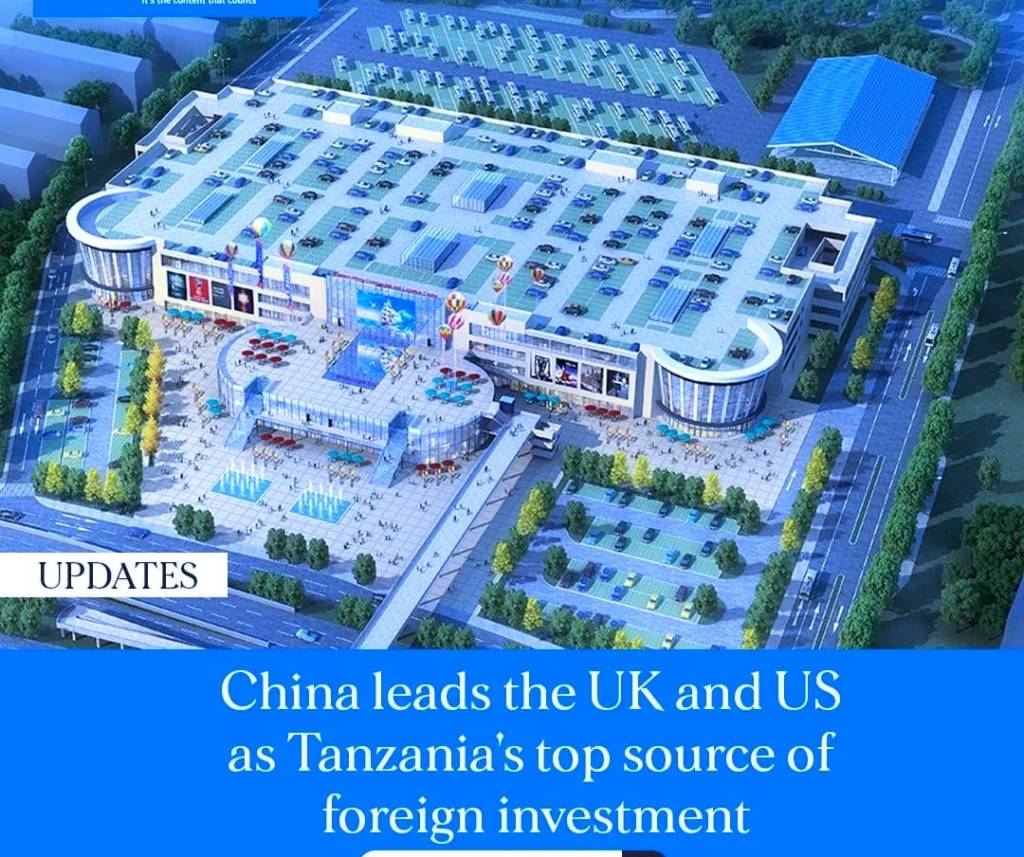
Despite these hurdles, China remains a formidable export powerhouse. Historically, many exports were produced by foreign companies, but there is a noticeable shift towards Chinese firms expanding into emerging markets, particularly within the Global South. This change reflects China’s strategic interest in these regions as both economic partners and burgeoning consumer bases.
Chinese companies have notably increased their presence in the Global South since 2016, significantly boosting their sales in these regions. Countries like Indonesia and Nigeria have become focal points for Chinese investment and trade. This strategic shift recognizes the potential of developing economies, characterized by large populations and expanding middle classes, as vital growth areas.
However, Chinese firms face considerable competition from local businesses and other international players. Navigating diverse regulatory environments and market dynamics presents ongoing challenges. Despite these obstacles, Chinese companies continue to pursue opportunities in these regions, underscoring their strategic importance.

In response to rising trade barriers and geopolitical tensions, many Chinese firms are relocating production to countries outside China. Establishing factories in regions like South Asia, Africa, and the Americas helps mitigate risks associated with operating solely within China and allows firms to maintain access to global markets while reducing exposure to tariffs and trade restrictions.
China’s substantial investment in infrastructure projects across the Global South—amounting to approximately $1 trillion over the past decade—facilitates smoother operations for Chinese companies. Investments in railways, ports, and logistics networks enhance connectivity and market access. However, these investments also raise concerns about their impact on local job markets and domestic industries, highlighting the complexities of China’s economic expansion.
The impact of Chinese expansion in these regions is multifaceted. On one hand, Chinese investments can bring job creation and economic development. On the other hand, there are concerns that Chinese firms may prioritize low-cost assembly and resource extraction, potentially limiting the economic benefits for host countries. Additionally, there are apprehensions about the spread of Chinese political ideologies and practices, which could influence local political and cultural landscapes.
As China’s influence in the Global South grows, Western countries are reassessing their strategies. Trade barriers have been raised to protect domestic industries, but these measures may not suffice to counter the expanding presence of Chinese firms, which have demonstrated adaptability and resilience in new markets. Western companies must innovate and adapt to maintain competitiveness in this shifting landscape.

China’s strategic expansion into the Middle East and Africa highlights the importance of these regions for both economic and political reasons. China’s Belt and Road Initiative (BRI) plays a central role in this strategy, with numerous infrastructure projects aimed at enhancing connectivity and fostering economic cooperation. Special envoys for these regions and engagement through multilateral organizations like the Forum on China-Africa Cooperation (FOCAC) and the China-Arab States Cooperation Forum (CASCF) further illustrate China’s commitment to strengthening ties.
Looking ahead, China’s strategy in the Global South faces numerous challenges, including economic slowdown, political tensions, and increasing competition. However, the potential for growth and influence in these regions remains significant. Success will depend on China’s ability to balance economic investments with positive diplomatic relations and address local concerns effectively.
Innovation and technology will be crucial for China’s future success in the Global South. By leveraging its strengths in these areas, China can enhance its competitiveness and explore new opportunities for collaboration. Technology also offers solutions to some of the challenges associated with expanding into diverse markets.
In conclusion, China’s strategic expansion into the Global South represents a new chapter in global commerce. As Chinese companies make inroads into emerging markets, they are reshaping the economic landscape and challenging the dominance of Western multinationals. This shift has profound implications for global power dynamics and the future of international relations. Navigating this complex landscape requires collaboration and cooperation with local governments, businesses, and communities, ensuring that growth is sustainable and inclusive. The evolving dynamics between China, the Global South, and Western countries will shape the future trajectory of global commerce and international relations for years to come.
visit arjasrikanth.in for more insights
 SOCIAL PERSPECTIVES