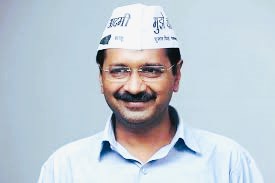
Bureaucrat Turned Politician: The Complex Journey of Arvind Kejriwal!!!
Arvind Kejriwal’s journey from a tax officer to the Chief Minister of Delhi is marked by contradictions, controversies, and emotional complexity. Trained to approach every situation with suspicion, a trait that served him well in his bureaucratic role, Kejriwal’s transition into politics saw this suspicion evolve into a more combative and emotionally charged approach. His political career is defined by a steadfast commitment to anti-corruption, populist policies, and a perpetual state of confrontation. Despite facing criticism for his tactics and mental health, Kejriwal has garnered a dedicated following among the lower strata of society, who view him as a hero. His rise to prominence began with his active involvement in the India Against Corruption movement alongside Anna Hazare, where his vocal stance against corruption resonated with a disillusioned populace. Capitalizing on this momentum, he founded the Aam Aadmi Party (AAP), promising transparency and clean governance. This narrative explores the complexities of Kejriwal’s political journey, examining his rise to power, controversial policies, and personal traits that have both propelled and hindered his career.
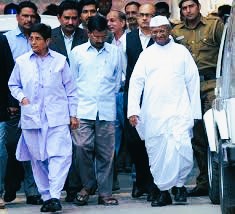
Arvind Kejriwal first gained national prominence as a key figure in the India Against Corruption movement alongside Anna Hazare. His rhetoric against corruption resonated with millions of Indians disillusioned by the numerous scams that plagued the Congress government. Leveraging this momentum, Kejriwal launched the Aam Aadmi Party (AAP) with a promise of clean governance and transparency. His early political days were marked by bold moves, including the surprising decision to form a government with the support of the Congress party, which he had vehemently opposed. Kejriwal’s tenure as Chief Minister began with populist measures such as free water and subsidized electricity. These initiatives endeared him to many lower-income residents of Delhi but also drew criticism from economic experts for fiscal irresponsibility and short-termism. Despite the controversies, Kejriwal’s focus on anti-corruption and welfare policies struck a chord with the common man, solidifying his support base. This period in Kejriwal’s career highlights his strategic audacity and the complex interplay between idealism and pragmatism in his quest to transform Delhi’s political landscape.
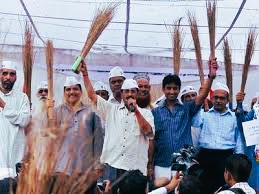
Arvind Kejriwal’s political strategy has heavily relied on offering “freebies,” which, despite criticism, have solidified his support base among lower-income groups in Delhi. Policies such as free water, subsidized electricity, and improved public schools and healthcare facilities have transformed him into a hero for many. These populist measures, however, have also led to accusations of fiscal irresponsibility, with critics arguing that Kejriwal’s focus on short-term gains undermines the long-term financial health of the state. Nonetheless, his supporters view these policies as essential for improving the lives of the marginalized and see Kejriwal as a leader who genuinely cares for their welfare. This dichotomy underscores the complex nature of Kejriwal’s approach to governance. His tenure has been characterized by a persistent state of confrontation, a trait rooted in his past experiences as a tax officer. Kejriwal’s combative approach to politics has led to frequent clashes with the central government and other political entities. While this fighting spirit has been lauded by his supporters as necessary for challenging entrenched corruption and interests, it has also contributed to a polarized political environment. This narrative captures the multifaceted dimensions of Kejriwal’s leadership and its impact on Delhi’s political landscape.

Critics argue that Kejriwal’s confrontational style has created a polarized political environment and overshadowed effective administration, leading to accusations of neglect in managing Delhi’s affairs. They contend that his focus on political battles detracts from his commitment to day-to-day governance. Conversely, his supporters believe this fighting spirit is necessary to challenge the entrenched interests and corruption in Indian politics. Kejriwal’s emotional nature significantly influences his political decisions, contrasting with the detachment seen in some leaders. His actions, driven by strong emotions and personal convictions, endear him to many as a passionate and genuine leader. However, this emotional approach has also resulted in impulsive decisions and public controversies, contributing to his reputation for unpredictability and volatility.
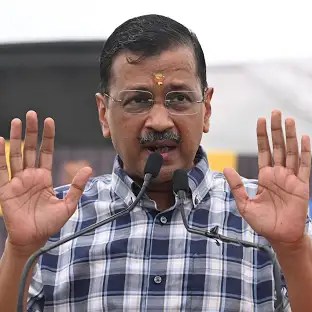
While Kejriwal’s confrontational style has garnered attention and support, it has also led to significant governance issues. Critics argue that his focus on battling political adversaries has often come at the expense of effective administration in Delhi, leading to accusations of neglect. This approach, characterized by political grandstanding, has raised concerns about his commitment to the daily responsibilities of his office. Kejriwal’s attempt to prove that the administration can function without the Chief Minister’s constant oversight is seen as both a strength and a weakness. While it demonstrates decentralization and delegation, it also raises questions about the necessity of more direct involvement to ensure the effective implementation of policies and programs.
Moreover, Kejriwal’s dedication to his role has come under intense scrutiny, particularly concerning his mental health. The immense pressure and relentless criticism he faces have impacted his well-being, prompting debates about his suitability for public office. Despite these challenges, Kejriwal’s resilience and emotional investment in his work underscore his commitment to serving the people of Delhi. His approach highlights the delicate balance between leadership and effective governance, reflecting the complexities of his political journey.
One of the most significant turning points in Arvind Kejriwal’s political journey was his split with Anna Hazare. Initially, Kejriwal was seen as a dedicated follower of Hazare, advocating for the Lokpal Bill and fighting against corruption. However, Kejriwal’s decision to enter electoral politics created a rift between the two leaders, highlighting an ideological divide within the anti-corruption movement. Hazare’s disapproval of Kejriwal’s political ambitions underscored this division, as many saw Kejriwal’s decision to launch the Aam Aadmi Party (AAP) and pursue a political career as a betrayal of the movement’s principles. This split not only affected Kejriwal’s image but also led to internal struggles within AAP, as the party grappled with its identity and direction. Despite the challenges, Kejriwal’s resilience and determination helped him navigate through this period of turbulence, solidifying his leadership and paving the way for his eventual rise to power. This pivotal moment in his career reflects the complexities of his political journey and the inherent tensions in balancing activism with political aspirations.
Arvind Kejriwal’s leadership of the Aam Aadmi Party (AAP) has been marred by internal conflicts and controversies. Prominent leaders such as Yogendra Yadav and Prashant Bhushan were expelled from the party, leading to accusations of authoritarianism and intolerance of dissent. These internal struggles have weakened AAP and raised serious questions about Kejriwal’s leadership style. Despite these challenges, Kejriwal has managed to maintain control over the party and secure significant electoral victories. However, the internal turmoil has affected the party’s stability and its ability to function as a cohesive political force. Kejriwal’s leadership style, characterized by suspicion and confrontation, has contributed to these internal conflicts, further complicating the party’s dynamics. While his approach has helped in maintaining a strong grip on the party, it has also led to a polarized environment within AAP. This dichotomy reflects the complex nature of Kejriwal’s leadership, which combines effective electoral strategy with contentious internal management, impacting the party’s overall unity and effectiveness.

Arvind Kejriwal’s political journey has been significantly shaped by his rivalry with Prime Minister Narendra Modi, marked by public spats, accusations, and a relentless battle for political dominance. Kejriwal’s criticism of Modi has been a constant feature of his political narrative, often overshadowing his own governance efforts. This rivalry has polarized Indian politics, with both leaders commanding strong support bases. Kejriwal’s frequent attacks on Modi have drawn both admiration and criticism. Supporters view him as a fearless leader challenging the central government, while detractors see him as an opportunist seeking political mileage. The Modi-Kejriwal rivalry has become a defining feature of Indian politics, influencing public opinion and political discourse. While this ongoing battle has helped Kejriwal maintain a high profile, it has also led to concerns that his focus on political adversaries detracts from addressing pressing issues in Delhi. Despite the controversies, Kejriwal’s resilience and strategic acumen in navigating this rivalry underscore the complexities of his leadership and its impact on his political career.
As Kejriwal continues his political journey, his leadership remains a topic of debate. While he has achieved electoral successes and maintains a dedicated support base, the controversies surrounding his approach and governance raise questions about his long-term effectiveness. Balancing his emotional nature with the demands of governance will be crucial in shaping his future in Indian politics.

Kejriwal’s political career is a significant narrative in Indian politics, marked by a blend of ambition, reform, and complex dynamics. His transition from a tax officer to Chief Minister reflects a journey of transformation, characterized by both achievements and controversies. As he navigates the evolving political landscape, his ability to adapt and balance his personal traits with effective governance will play a crucial role in defining his legacy. Kejriwal’s journey, with its mix of successes and challenges, continues to be a compelling and evolving story in the realm of Indian politics.
visit arjasrikanth.in for more insights
 SOCIAL PERSPECTIVES