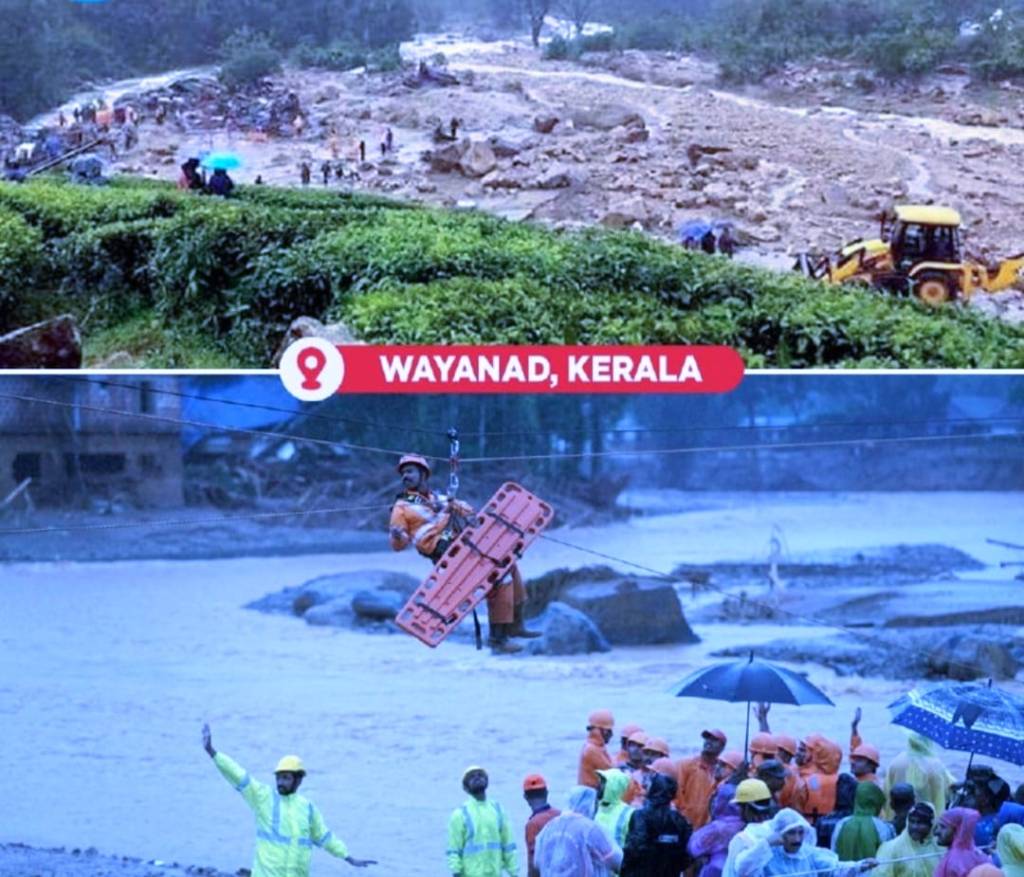
Wayanad’s Wake-Up Call: Addressing the Growing Threat of Landslides in India
Landslides have become an increasingly common and devastating natural disaster in India, particularly in hilly regions like Kerala and Uttarakhand. The tragic events that unfolded in Wayanad, Kerala, where 143 lives were lost and 186 individuals sustained injuries due to a series of landslides, highlight the pressing need for effective landslide management. As our nation continues to face the repercussions of unchecked development in these fragile terrains, it is imperative that we reassess our approach to habitation and environmental conservation in hilly areas.

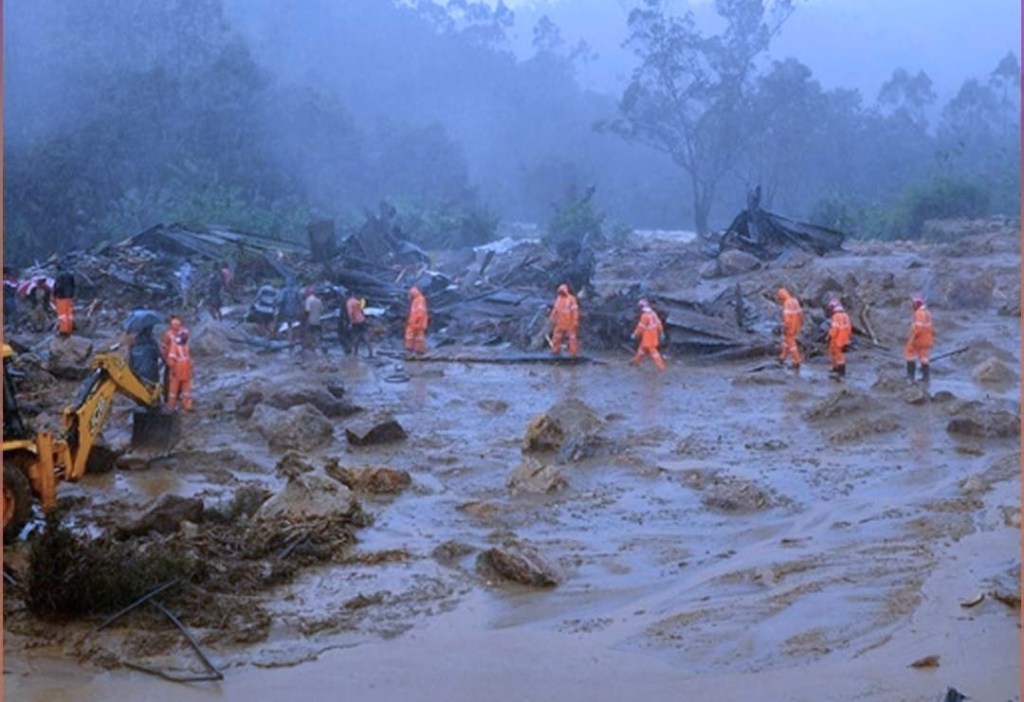
On a fateful day, the serenity of Wayanad was shattered by multiple landslides that struck in the early hours of the morning. The first landslide occurred around 1 AM, followed by another at approximately 4:30 AM. These disasters trapped countless individuals beneath rubble, resulting in a heart-wrenching toll of lives lost and injuries sustained. The Indian Meteorological Department had issued a red alert for Wayanad and the neighbouring districts, signalling the severity of the situation. The rescue operations commenced swiftly, with local authorities and security forces mobilizing to aid those trapped. Chief Minister Vijayan announced a two-day state mourning period to honour the lives lost in this calamity. The tragedy has raised significant concerns about the safety of habitations in hilly terrains, prompting discussions on the necessity of sustainable development practices.
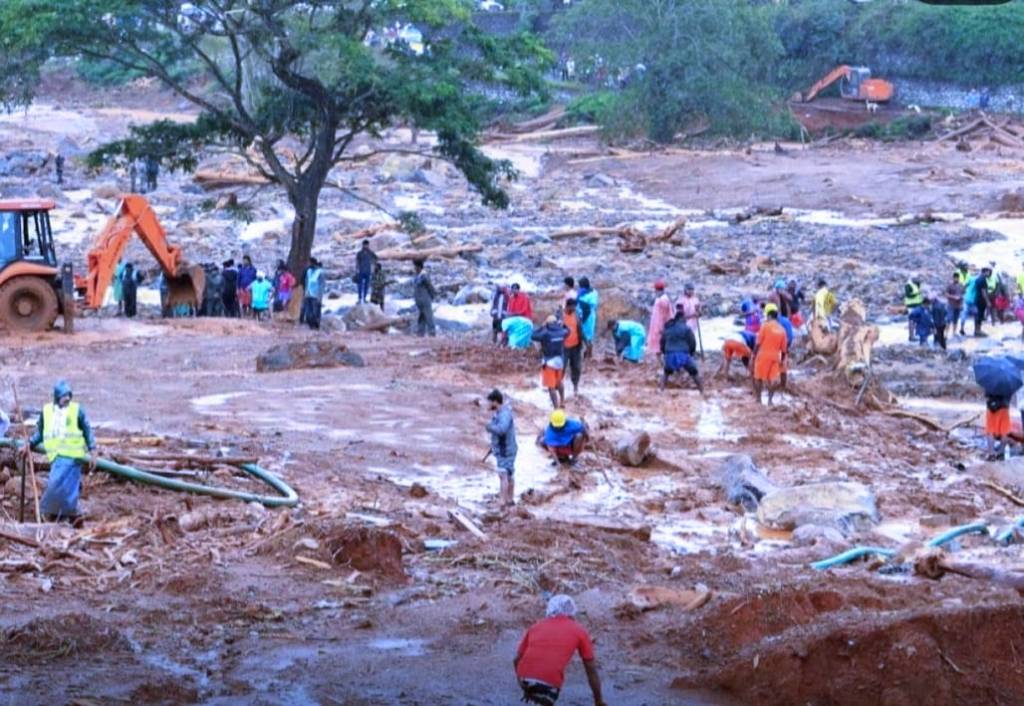
Landslides typically occur in areas with steep slopes and loose soil, often exacerbated by heavy rainfall, earthquakes, and human activities. In regions like Kerala, where monsoons bring heavy downpours, the risks of landslides are amplified. The soil saturation leads to a decrease in stability, resulting in catastrophic events that can impact not only human life but also infrastructure and ecosystems. In Wayanad, the landslides destroyed homes, roads, and crucial bridges, isolating communities and hindering rescue efforts. The aftermath of such disasters extends beyond immediate fatalities, affecting the mental and emotional well-being of survivors and leaving communities to grapple with the loss of their homes and livelihoods.
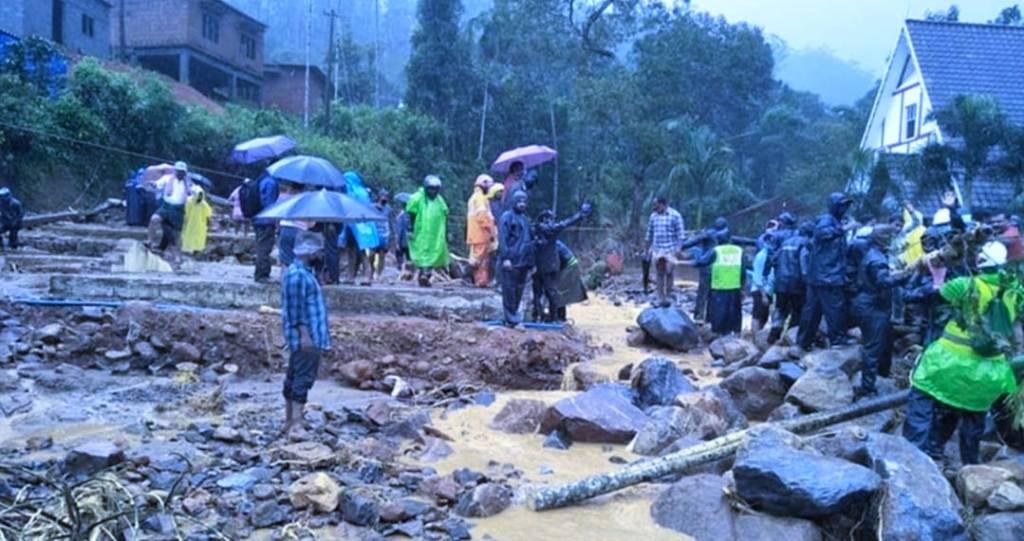
In recent years, there has been a significant increase in urbanization and development in hilly regions. While economic growth and infrastructure development are essential, they often come at the expense of environmental sustainability. The overutilization of hill terrains without proper planning and consideration for natural processes has led to a precarious balance between human habitation and nature. The case of Wayanad serves as a stark reminder that nature has its own course and can retaliate against human encroachment. The lack of foresight in planning has resulted in a vicious cycle of destruction, where floods and landslides become common occurrences. Therefore, it is crucial for policymakers to formulate strategies that prioritize ecological balance and sustainable development.
To mitigate the impact of landslides, a comprehensive management strategy is needed. This strategy should encompass various aspects, including risk assessment and mapping, sustainable urban planning, community awareness and preparedness, restoration of natural barriers, and emergency response and rehabilitation. Identifying vulnerable areas through geological surveys and risk assessment can help inform future development plans. Implementing stricter regulations on construction in high-risk zones, coupled with sustainable land-use practices, can reduce the likelihood of landslides. Educating local communities about the risks of landslides and establishing early warning systems can improve response times and save lives. Reforestation and the restoration of natural barriers can help stabilize soil and reduce the risk of landslides. Strengthening emergency response mechanisms and providing adequate resources for rehabilitation can aid in recovery efforts post-disaster.
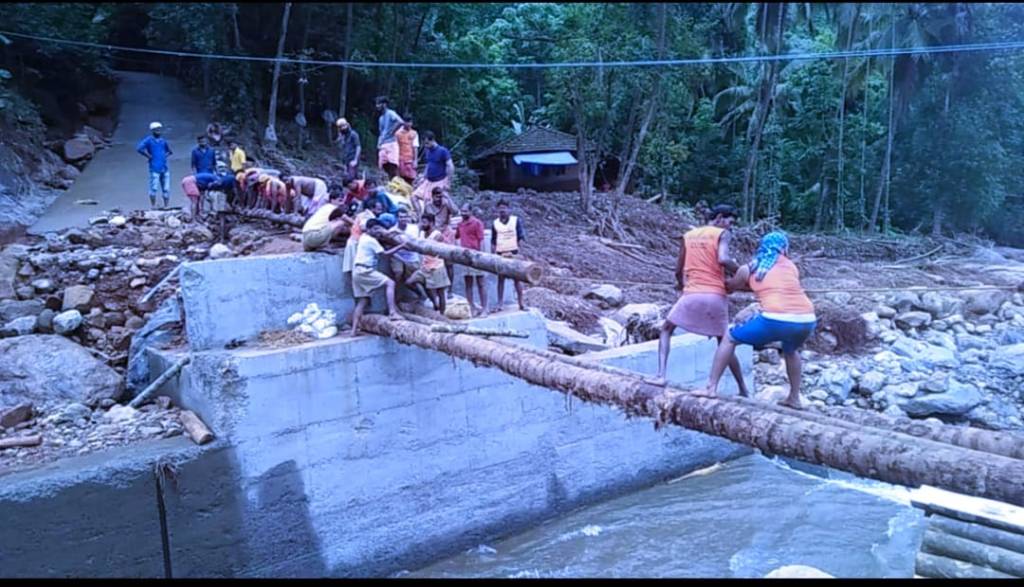
The landslide tragedy in Wayanad has prompted a wave of political and social reactions. Prime Minister Narendra Modi expressed his concern over the incident and announced financial assistance for the affected families. Local leaders and organizations have also rallied together to provide support and resources for the rescue efforts. However, amidst the outpouring of sympathy and support, there lies a pressing need for actionable solutions that address the root causes of such disasters. It is not enough to respond to tragedies as they occur; proactive measures must be taken to prevent them in the first place.
The history of landslides in India is replete with incidents that have caused significant loss of life and property. Each disaster serves as a grim reminder of the need for better preparedness and management strategies. The Wayanad tragedy is no exception. It underscores the importance of addressing the environmental and human factors that contribute to landslides. Deforestation, unplanned construction, and inadequate drainage systems are some of the human activities that exacerbate the risk of landslides. On the other hand, natural factors like heavy rainfall, soil erosion, and seismic activity are also major contributors.
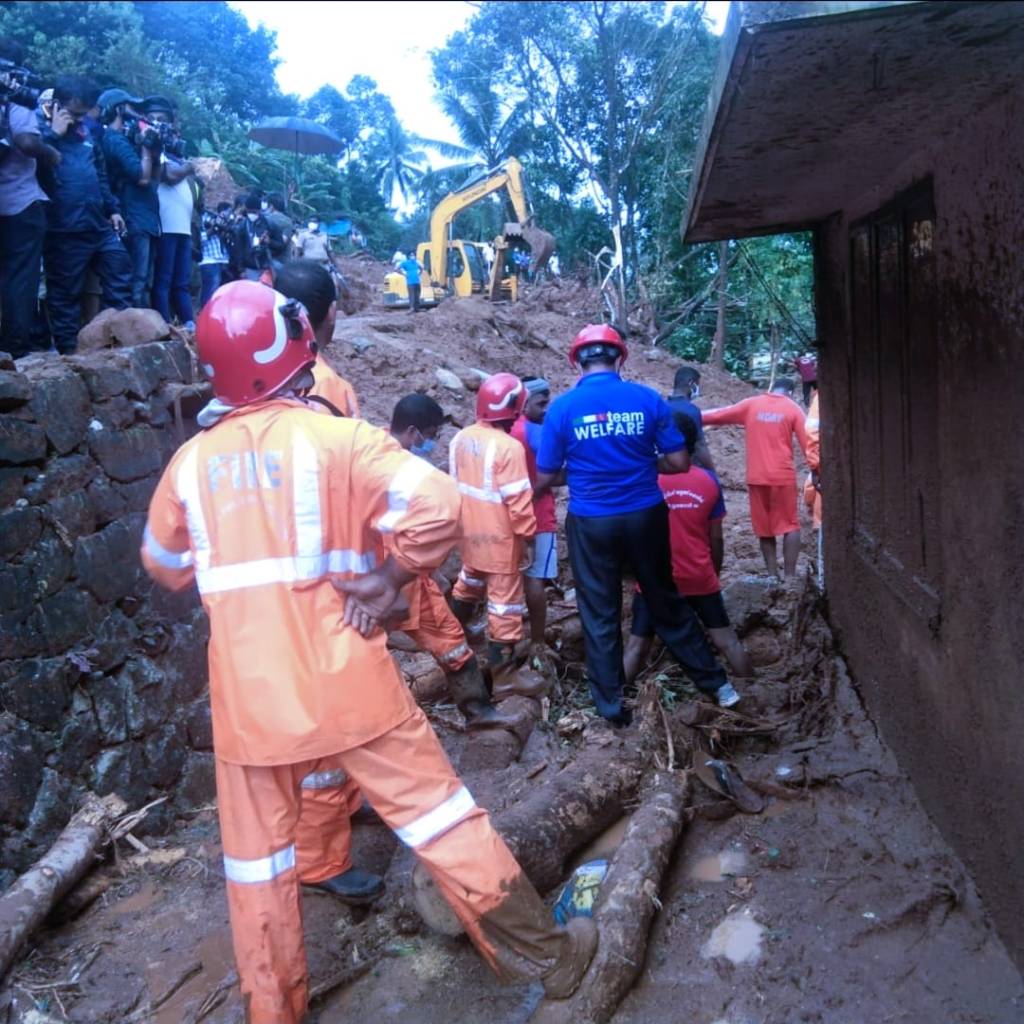
The Wayanad landslides also highlight the importance of early warning systems and timely evacuation. The Indian Meteorological Department had issued a red alert, but the extent of the disaster caught many by surprise. This calls for a review of the current early warning systems and their effectiveness in preventing such tragedies. There is also a need for better coordination between various government agencies and local communities to ensure a swift response in the event of a disaster.
One of the key challenges in managing landslides is the lack of comprehensive data on vulnerable areas. While geological surveys and risk assessments are conducted, there is a need for more detailed and up-to-date information. This can help in identifying high-risk zones and implementing preventive measures. Technology can play a crucial role in this regard. Remote sensing, geographic information systems (GIS), and other advanced tools can be used to monitor and predict landslides. These technologies can provide real-time data, enabling authorities to take timely action.
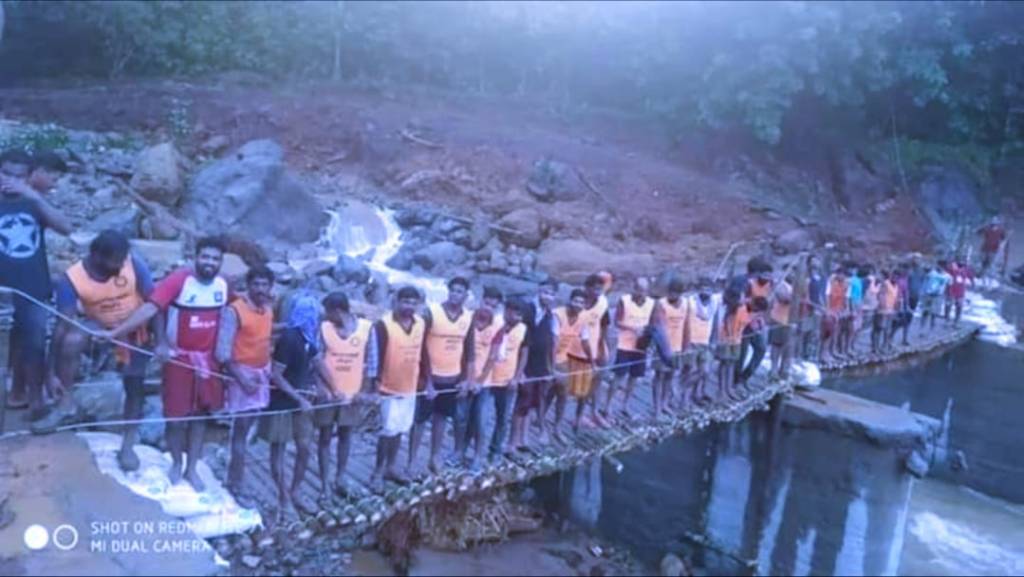
In addition to technological solutions, community participation is vital for effective landslide management. Local communities are often the first to be affected by landslides, and their involvement in disaster preparedness and response can make a significant difference. Educating communities about the risks of landslides and training them in emergency response can save lives. Community-based early warning systems, where residents are trained to monitor signs of potential landslides, can also be effective.
Reforestation and soil conservation are other critical measures in preventing landslides. Trees and vegetation play a crucial role in stabilizing soil and preventing erosion. Afforestation and reforestation programs should be prioritized, particularly in hilly regions. Additionally, sustainable agricultural practices can help in maintaining soil health and reducing the risk of landslides. Terracing, contour ploughing, and other soil conservation techniques can be employed to minimize soil erosion.

Another important aspect of landslide management is the regulation of construction activities in hilly areas. Unplanned and haphazard construction can destabilize slopes and increase the risk of landslides. Strict building codes and regulations should be enforced to ensure that construction activities do not compromise the stability of the terrain. Infrastructure development should be planned in a manner that takes into account the geological and environmental conditions of the area.
The Wayanad tragedy also underscores the need for adequate infrastructure to support rescue and relief operations. Access to affected areas is often hindered by damaged roads and bridges, delaying rescue efforts. Investing in resilient infrastructure that can withstand natural disasters is crucial. This includes building roads, bridges, and communication networks that can remain operational during emergencies.
The role of the government in landslide management cannot be overstated. Policies and regulations need to be in place to guide development activities and ensure environmental sustainability. The government should also allocate sufficient resources for disaster preparedness and response. This includes funding for early warning systems, emergency response teams, and rehabilitation programs for affected communities.
The private sector can also play a role in landslide management. Companies involved in construction, mining, and other activities in hilly regions should adopt sustainable practices and comply with environmental regulations. Corporate social responsibility (CSR) initiatives can be directed towards reforestation, soil conservation, and community education programs.
International cooperation is another avenue that can be explored. Countries facing similar challenges can share knowledge and best practices in landslide management. International organizations can provide technical assistance and funding for disaster preparedness and mitigation projects. Collaborative research and development efforts can lead to the development of innovative solutions for landslide prevention and management.
Education and research are fundamental to improving landslide management. Academic institutions and research organizations should be encouraged to study the causes and impacts of landslides and develop effective mitigation strategies. Training programs for professionals involved in disaster management can enhance their skills and knowledge.
Public awareness campaigns can also play a crucial role in landslide management. Informing the public about the risks of landslides and the measures they can take to protect themselves can save lives. Media, schools, and community organizations can be involved in spreading awareness and educating the public.
In the long term, addressing the root causes of landslides requires a holistic approach that balances development and environmental sustainability. This involves rethinking our approach to urbanization, infrastructure development, and land use in hilly regions. Sustainable development practices that prioritize ecological balance can help in reducing the risk of landslides and other natural disasters.
In conclusion, the landslides in Wayanad are a wake-up call for India to re-evaluate its approach to habitation in hilly terrains. As we witness the increasing frequency of natural disasters, it is vital that we prioritize the management of landslides and other environmental challenges. By adopting sustainable practices, engaging in comprehensive planning, and respecting the delicate balance of our ecosystems, we can protect lives, property, and the environment. The lessons learned from the Wayanad tragedy should serve as a guide for future actions and policies aimed at preventing such disasters. Through collective efforts and a commitment to sustainable development, we can build a safer and more resilient future for all.
visit arjasrikanth.in for more insights
 SOCIAL PERSPECTIVES