
Reviving Bengaluru: A Multifaceted Approach to Overcome Civic Challenges
Bengaluru, often hailed as India’s Silicon Valley, is a beacon of innovation and technological prowess. However, beneath its gleaming surface of IT parks and startups, the city grapples with severe civic challenges. From an escalating water crisis to crippling traffic congestion, these issues threaten to erode the very foundation that made Bengaluru a global tech hub. This article delves into the pressing need to restore Bengaluru to its past glory, highlighting immediate actions and long-term strategies essential for its transformation.

Bengaluru faces a daily shortfall of 300-500 million liters of water, primarily due to depleted borewells, insufficient rainfall, and rapid urban expansion. The city’s water surface area has drastically reduced, with 98% of lakes encroached upon and contaminated, severely hindering groundwater recharge. This water crisis is not merely an inconvenience but a threat to the city’s survival.
To combat this, the state government has initiated projects like the Cauvery Stage V, aiming to boost water supply. However, these measures must be complemented by sustainable water management practices, including rainwater harvesting, wastewater recycling, and the restoration of lakes and water bodies. Rainwater harvesting can help replenish groundwater levels, while wastewater recycling can ensure that water is used efficiently. Community involvement in conservation efforts and stricter regulations on water usage are imperative for creating a resilient water infrastructure. The restoration of lakes and water bodies will not only enhance water availability but also improve the city’s overall environment.
With over 15 million residents, Bengaluru’s infrastructure struggles to keep pace with its growth, leading to significant traffic congestion. In 2023, the city ranked as the second most congested globally, with the return-to-office mandates post-pandemic exacerbating the situation. The gridlock on the streets of Bengaluru is more than just a nuisance; it hampers productivity, increases pollution, and affects the quality of life of its residents.
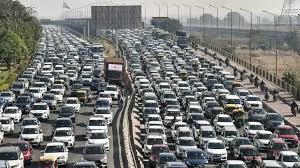
To alleviate these issues, investments in public transportation and smart city initiatives are critical. The Metro rail expansion, smart traffic management systems, and infrastructure redevelopment projects are steps in the right direction. The expansion of the Metro rail will provide an efficient and reliable mode of transportation for the city’s residents. Additionally, promoting alternative transportation modes, such as cycling and carpooling, and improving pedestrian infrastructure can help reduce the city’s dependency on private vehicles. Bicycle lanes and pedestrian paths can make the city more accessible and environmentally friendly.
The Greater Bengaluru Governance Bill, 2024, aims to restructure the Bruhat Bengaluru Mahanagara Palike (BBMP) into multiple corporations for better governance. Deputy Chief Minister D.K. Shivakumar’s proposal to divide Bengaluru into 10 smaller administrative zones seeks to streamline political accountability and enhance service delivery. This restructuring aims to make governance more efficient and responsive to the needs of the residents.
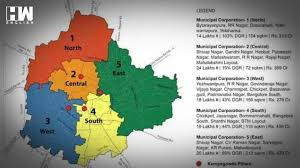
While the bill promises improved governance, it faces opposition due to concerns about economic inequality, arbitrary boundaries, and election delays. Ensuring diverse input through a Joint Select Committee can help address these issues and foster a collaborative approach to governance, essential for the city’s development. Collaborative governance can ensure that the city’s development is inclusive and benefits all sections of society.
Bengaluru’s rapid urbanization has led to severe infrastructure challenges, including road congestion, inadequate public transportation, parking shortages, waste management issues, and water scarcity. Poor planning has exacerbated these problems, resulting in frequent traffic jams, floods, and air pollution. These infrastructure issues not only affect the daily lives of the residents but also hinder the city’s growth and development.

Prioritizing projects that address traffic congestion, public transportation, and sustainable urban development is crucial. Smart city initiatives can enhance infrastructure, connectivity, and residents’ quality of life. The implementation of smart traffic management systems can help in reducing congestion and improving traffic flow. Ongoing efforts like Metro rail expansion, smart traffic management, and infrastructure redevelopment aim to improve Bengaluru’s livability and sustainability amidst its rapid growth. Sustainable urban development practices can ensure that the city’s growth is balanced and environmentally friendly.
Bengaluru faces numerous environmental challenges, including air pollution from vehicle emissions and industrial activities, water pollution due to untreated waste, and inadequate waste management. Rapid urbanization has led to deforestation and loss of biodiversity. The degradation of the environment poses a significant threat to the health and well-being of the city’s residents.

Implementing green initiatives is essential for improving air quality, managing waste, and increasing green spaces. Projects aimed at reducing air pollution through the adoption of cleaner technologies and promoting the use of public transportation can help improve air quality. Promoting sustainable practices, such as adopting renewable energy and water conservation efforts, can help restore the city’s ecological balance. Renewable energy sources like solar and wind can reduce the city’s reliance on fossil fuels and lower carbon emissions. Innovative approaches to sustainable urban development are necessary to preserve Bengaluru’s environment and enhance residents’ quality of life. Increasing green spaces and parks can improve the city’s air quality and provide recreational areas for residents.
Public participation is crucial for effective governance in Bengaluru. Enhancing citizen engagement through ‘Public Voice-Government Voice’ programs and utilizing digital platforms to gather public opinions and suggestions on city development projects can foster a collaborative approach. Engaging citizens in decision-making processes can ensure that the city’s development reflects the needs and aspirations of its residents.
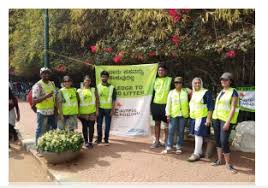
Addressing issues like lack of awareness, inefficient communication, and limited engagement opportunities can build trust and confidence in government institutions. Public awareness campaigns can educate residents about their rights and responsibilities and encourage them to participate in governance. By involving citizens in urban planning and development decisions, Bengaluru can effectively tackle major problems like garbage disposal and traffic congestion. Citizen participation can lead to innovative solutions and a sense of ownership among the residents, fostering a collaborative approach between the public and government for a better city.
To drive economic growth and create employment, fostering a conducive environment for startups and businesses is essential. Bengaluru’s status as a leading IT hub provides a strong foundation for economic development. Streamlining regulations and providing incentives, especially in sectors like IT, biotechnology, and manufacturing, can spur economic development. These measures can attract investments and create job opportunities for the city’s residents.

Despite being a thriving IT hub, Bengaluru faces challenges like traffic congestion, poor infrastructure, and high unemployment rates among undereducated and low-skilled workers. Addressing these issues and encouraging foreign investments can sustain the city’s rapid economic growth, achieving an average annual GDP growth rate of 9.9% over 2020-2024. Providing training and skill development programs can equip the workforce with the skills needed for the evolving job market, reducing unemployment and enhancing economic growth.
Bengaluru faces significant housing and urban development challenges due to rapid and unplanned urbanization. Developing affordable housing projects to cater to the growing population and prevent urban sprawl is essential. Affordable housing can ensure that all residents have access to safe and comfortable living conditions.

Upgrading existing infrastructure in residential areas can improve living conditions and accessibility. Effective urban planning and sustainable development practices are crucial to mitigating challenges like traffic congestion, environmental degradation, and water shortages, enhancing the quality of life for Bengaluru’s residents. Sustainable urban development can create a balanced and inclusive city, ensuring that all residents benefit from the city’s growth.
Investing in healthcare infrastructure to ensure accessible and quality medical services for all residents is vital. Bengaluru’s healthcare system must be equipped to meet the needs of its growing population. Enhancing educational facilities and introducing skill development programs can better prepare the workforce for future challenges. Quality education and healthcare are essential for the city’s overall development and well-being.
The urban poor and working classes particularly struggle to access public health services due to medical staff shortages, lack of medicines, corruption, and insensitivity to their needs. In healthcare, inadequate funding and a shortage of specialized doctors lead to overcrowded government hospitals and expensive private care. In education, high student-teacher ratios and limited infrastructure in government schools hinder quality education. Addressing these issues is vital for the city’s well-being and development. Ensuring that healthcare and education are accessible to all residents can improve the overall quality of life and contribute to the city’s growth.
Expanding and modernizing public transport systems, including metro, bus services, and bicycle lanes, is crucial for Bengaluru. Efficient public transport can reduce congestion and provide reliable transportation options for residents. Implementing traffic management solutions can reduce congestion and improve road safety.
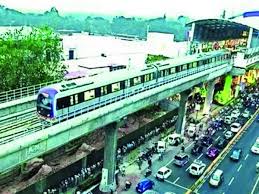
Promoting alternative transportation methods like bicycle commuting, carsharing, and ridesharing, and enhancing infrastructure with bike lanes, bus-only lanes, and streetcar tracks can create a more efficient and sustainable transportation system. These measures can reduce the city’s reliance on private vehicles, lower pollution levels, and improve the overall quality of life for residents.
Integrating smart city technologies can enhance city management, traffic control, public services, and emergency response. Smart city technologies can improve the efficiency and effectiveness of city management, making Bengaluru a more livable and sustainable city. Promoting digital literacy and access to technology for all citizens is vital to bridge the digital divide. Ensuring that all residents have access to digital technologies can promote inclusivity and enhance economic opportunities.
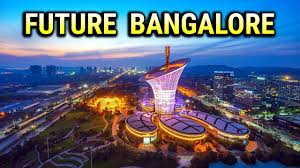
Small and medium-sized enterprises (SMEs) struggle to adopt emerging technologies like AI, blockchain, and IoT. Creating a skilled workforce to integrate these technologies is crucial. With its top-tier educational institutions and R&D centres of multinational corporations, Bengaluru must leverage its strengths to advance digital transformation and sustain its rapid economic growth. Providing training and support for SMEs can help them adopt new technologies and enhance their competitiveness.
Strengthening law enforcement agencies and promoting community policing can enhance public safety in Bengaluru. Community policing initiatives can build trust between law enforcement agencies and the community, improving cooperation and collaboration. Implementing surveillance and monitoring systems in high-risk areas will help deter crime and improve security.

Women’s safety is a particular concern, with many incidents of harassment and molestation reported in public spaces. Ensuring a safe environment in Bengaluru requires vigilance and collaboration between the community and law enforcement agencies. Providing safe and secure public spaces can enhance the quality of life for all residents and promote a sense of security.
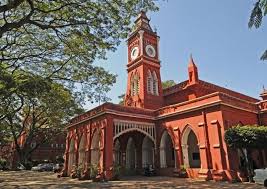
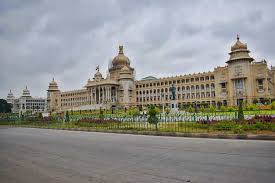
Bengaluru, the Silicon Valley of India, also boasts a rich cultural and heritage landscape facing numerous challenges. Rapid urbanization, lack of infrastructure, and inadequate funding threaten historic buildings and monuments due to encroachment and neglect. Preserving the city’s cultural and heritage assets is essential for maintaining its unique identity and history.

Preservation efforts must protect and promote Bengaluru’s cultural heritage sites and historical landmarks. Organizing cultural events and festivals to celebrate the city’s rich history and diversity can raise awareness among locals and authorities about the importance of cultural heritage conservation. Collaborative efforts from the government, civil society, and local communities are essential to preserving Bengaluru’s cultural and heritage assets for future generations. Promoting cultural awareness and heritage conservation can enhance the city’s attractiveness and provide a sense of pride for its residents.
Restoring Bengaluru to its past glory as India’s Silicon Valley requires a multifaceted approach involving sustainable water management, infrastructure upgrades, and enhanced public transportation. Collaborative governance, community engagement, and strategic economic growth initiatives are essential to addressing the city’s pressing challenges. By embracing environmental sustainability, digital transformation, and cultural heritage conservation, Bengaluru can achieve a balanced and prosperous future. The collective effort of the government, businesses, and citizens is crucial to transforming Bengaluru into a resilient and thriving metropolis, securing its status as a premier tech hub for generations to come.
visit arjasrikanth.in for more insights
 SOCIAL PERSPECTIVES