
Dr. C. Narayana Reddy: A Luminary in Literature and
Social Wellness
As the sun rises on July 29th, we remember and celebrate the life and contributions of Dr. C. Narayana Reddy, fondly known as CiNaRe. His legacy transcends literature, reaching into the realms of social wellness and cultural enrichment. Born into a humble farming family in the village of Hanumajipet in present-day Rajanna Sircilla district of Telangana, Dr. Reddy’s journey is one of passion, resilience, and profound impact. This article delves into his extraordinary life, highlighting his invaluable contributions to literature and society, and reflecting on the enduring influence of his work.
Cingireddi Narayana Reddy was born on July 29, 1931, to Malla Reddy and Buchamma. His early life in Hanumajipet, amidst the verdant fields and rustic simplicity, shaped his worldview and inspired his poetic sensibilities. Despite the lack of formal education in Telugu due to the Nizam’s rule, Reddy’s thirst for knowledge led him to study Telugu privately under the guidance of Gurus and Satavadhanis like Seshadri Ramana Kavulu of Machilipatnam.
After completing his higher secondary education in Karimnagar, he pursued further studies at Osmania University in Hyderabad. Graduating with a Master of Arts degree in 1954, he began his academic career as a college lecturer in 1955. His dedication to Telugu literature culminated in a Ph.D. on “Modern Traditions of Telugu” in 1962, and he became a professor in 1976.
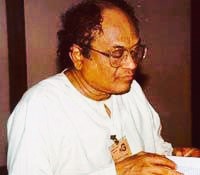
Dr. Reddy’s literary career began with the publication of his poetry collection “Navvani Puvvu” (The Bashful Flower) in 1953. This marked the beginning of a prolific journey that saw the creation of over eighty literary works, including poems, prose-plays, lyrical plays, translations, and ghazals. His works like “Vennela Vada” (The Moonlight Town, 1959), “Divvela Muvvalu” (Candle Bells, 1959), and “Rutu Chakram” (Cycle of Seasons, 1964) are celebrated for their lyrical beauty and profound themes.
One of his most acclaimed works, “Viswambhara” (The Earth, 1980), received the prestigious Jnanpith Award in 1988. This monumental work, written in free verse, depicts the journey of humanity through the ages, striving for spiritual, artistic, and scientific excellence. Translated into several Indian languages, “Viswambhara” stands as a testament to Reddy’s literary genius and his ability to capture the essence of human experience.
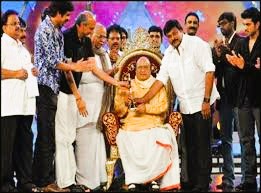
Reddy’s epic poems like “Nagarjuna Sagaram” and “Karpura Vasantha Rayulu” showcase his versatility and depth as a poet. “Nagarjuna Sagaram” is a poignant narrative based on the love story of Santisri, a Buddhist scholar, and Padmadeva, a sculptor. “Karpura Vasantha Rayulu” retells the romance between King Kumara Giri of the Reddy dynasty and his court dancer Lakuma, reflecting Reddy’s ability to blend historical context with lyrical expression.
His contributions to musical plays, such as “Ramappa” (1960) and the collection “Narayana Reddy Natikalu” (1978), further highlight his mastery in blending literature with performing arts. These works, rooted in cultural and historical themes, have enriched Telugu literature and theatre.
Dr. Reddy’s foray into the film industry as a lyricist began with the 1962 film “Gulebakavali Katha.” Over the years, he penned lyrics for more than 3,500 songs, making a significant impact on Telugu cinema. His collaboration with legendary actor and director N. T. Rama Rao resulted in timeless songs that continue to resonate with audiences. His last song, written for the film “Inkennallu” (2011), marked the end of an illustrious career in film lyrics.
Reddy’s lyrical genius earned him two Nandi Awards for Best Lyricist for the songs “Kantene Amma Ani Ante Ela?” from “Preminchu” (2001) and “Idigo Raayalaseema Gadda” from “Seetayya” (2003). These awards are a testament to his ability to craft songs that are not only melodious but also deeply meaningful.
Dr. C. Narayana Reddy’s contributions to literature and society have been widely recognized. He was honored with the Padma Shri in 1977 and the Padma Bhushan in 1992 by the Government of India. Andhra University conferred upon him the honorary title of Kala Prapurna in 1978, and he received the Soviet Land Nehru Award in 1982.
In addition to these accolades, Reddy was awarded the Sahitya Akademi Award in 1973 for his poetry collection “Mantalu Manavudu” and the Sahitya Akademi Fellowship in 2014, the highest honor of the Sahitya Akademi. His work has also been recognized with the Raja-Lakshmi Award by the Sri Raja-Lakshmi Foundation in 1988 and the “Visishta Puraskaram” of the Potti Sriramulu Telugu University in 2011.
Beyond his literary achievements, Dr. Reddy made significant contributions to cultural and educational institutions. As the Chairman of the Andhra Pradesh Cultural Council, he played a pivotal role in promoting and preserving the rich cultural heritage of Andhra Pradesh. His tenure as the Vice Chancellor of Telugu University further underscored his commitment to education and the promotion of Telugu language and literature.
Dr. Reddy’s influence extended beyond literature and culture into the realm of social wellness. His works often addressed social issues, reflecting his deep concern for the well-being of society. Through his poetry and prose, he advocated for social justice, equality, and human dignity.

As the Commissioner of Art and Culture for United Andhra Pradesh, I had the privilege of working under Dr. Reddy’s guidance. His vision and dedication to promoting art and culture were truly inspiring. His initiatives fostered a greater appreciation for the arts and encouraged the participation of young and emerging artists.
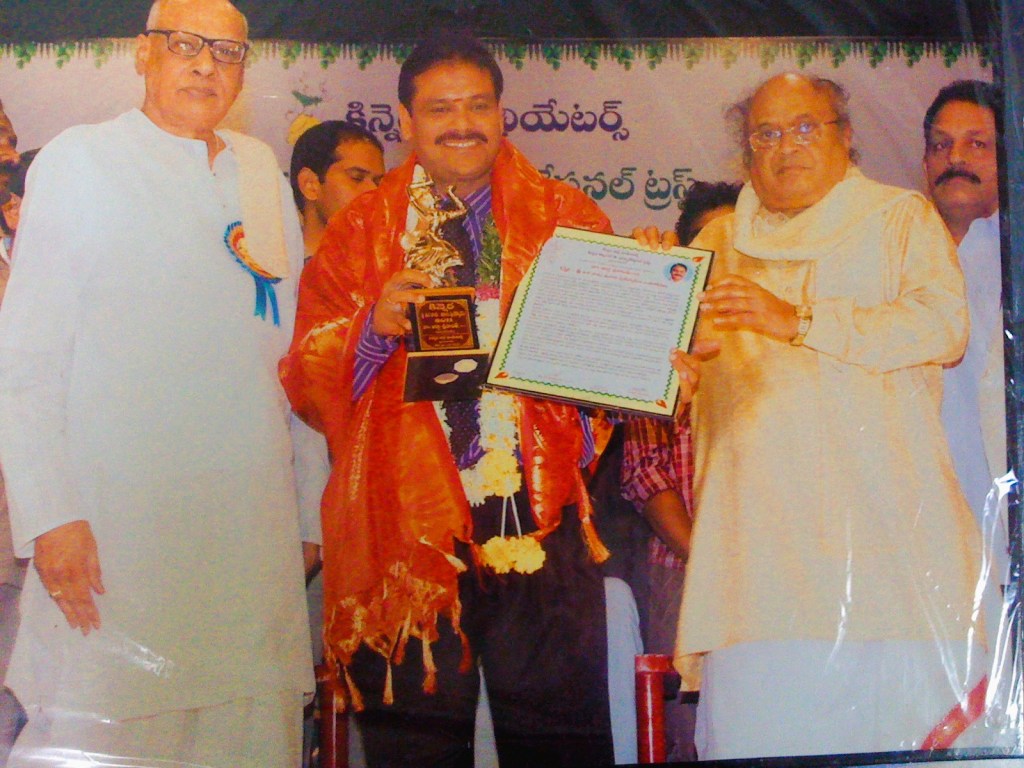
Dr. Reddy’s personal life was marked by his devotion to his family and his commitment to philanthropy. Married to Suseela, he was a loving husband and father to their four daughters. In honour of his wife, he instituted an annual award for female writers, encouraging and recognizing the contributions of women in literature.
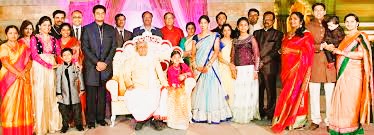
Dr. C. Narayana Reddy’s life and work have left an indelible mark on Telugu literature and Indian society. His poetic brilliance, coupled with his commitment to social causes, makes him a luminary whose legacy will continue to inspire future generations. On his Jayanthi Day, we fondly remember his contributions and celebrate his enduring influence on literature, culture, and social wellness.
His words, his songs, and his vision continue to resonate, reminding us of the power of literature to effect change and the importance of nurturing our cultural heritage. Dr. Reddy’s life is a testament to the impact one individual can have on society, and his legacy will be cherished for generations to come.
visit arjasrikanth.in for more insights
 SOCIAL PERSPECTIVES