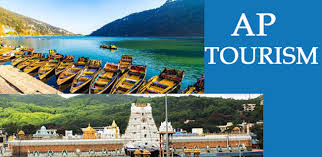
Unveiling Andhra Pradesh: A Vision for Tourism Excellence
Tourism is a cornerstone of India’s economy, acting as a catalyst for employment, foreign exchange generation, and substantial contributions to the national GDP. The World Travel and Tourism Council (WTTC) reported that in 2021, tourism supported 32.1 million jobs and contributed 5.8% to India’s GDP. Beyond its significant economic footprint, tourism plays a pivotal role in developing local infrastructure, conserving natural environments, and preserving cultural heritage, while also aiding in poverty alleviation and promoting social equality. In recent years, ecotourism has gained prominence, focusing on sustainable travel practices that support conservation efforts. Amidst this expansive landscape, Andhra Pradesh (AP) emerges as a prominent player in India’s tourism sector, endowed with a plethora of attractions and considerable untapped potential.

Andhra Pradesh, strategically positioned on the south-eastern coast of India, ranks as the third most-visited state by domestic tourists, drawing 192.72 million visitors in 2022—accounting for 11.13% of the national total. This impressive statistic underscores the state’s role as a significant tourism hub within India. Tourism in AP is not merely an economic driver but also a catalyst for infrastructure development and social progress. The state is renowned for its diverse attractions, including stunning beaches, serene valleys, historical sites, and pilgrimage destinations. The Tirumala Venkateswara Temple in Tirupati, one of the most visited pilgrimage sites in India, epitomizes Andhra Pradesh’s importance in the religious tourism sector, drawing millions of devotees each year and contributing to the state’s rich cultural and spiritual heritage.
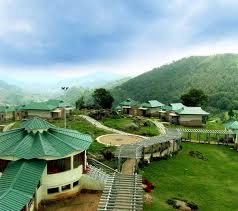
Despite these advantages, Andhra Pradesh’s tourism potential remains largely untapped. The state’s 974-kilometer coastline, abundant national parks, bird sanctuaries, and unique caves present a wealth of opportunities for tourism development. Key destinations such as Visakhapatnam, with its pristine beaches and bustling port, Vijayawada, known for its historical and religious significance, and Araku Valley, famous for its coffee plantations and scenic beauty, exemplify the diverse range of attractions waiting to be fully explored and promoted. Additionally, Andhra Pradesh’s cultural assets, including traditional arts, crafts, and Buddhist heritage, offer rich opportunities for tourism growth. However, the current challenge lies in leveraging these assets more effectively to attract a broader spectrum of domestic and international tourists.
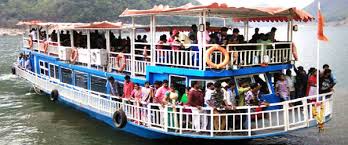
To unlock its full tourism potential, Andhra Pradesh can implement several strategic measures. Firstly, investing in robust transportation and accommodation infrastructure is crucial. Enhancements such as upgrading airports, constructing new hotels, and developing theme parks will significantly improve connectivity and accessibility to key tourist sites, thereby enhancing the overall visitor experience. Improved infrastructure will not only attract more tourists but also facilitate the growth of ancillary industries, further boosting the state’s economy.
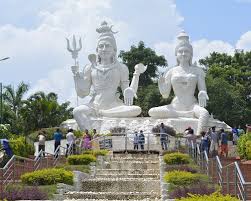
The introduction of streamlined clearance systems can also play a transformative role in promoting tourism. The Andhra Pradesh Tourism Streamlined Single-Window Clearance System, a digital platform designed to simplify the process of obtaining permits and approvals, can greatly enhance efficiency and transparency. By centralizing and digitizing regulatory requirements, this system will make it easier for businesses to invest in tourism projects, reducing bureaucratic hurdles and fostering a more conducive environment for tourism development.
Incentivizing investment through fiscal and policy measures is another effective strategy. Implementing a “Zero Cost Entry” policy could attract more tourism projects by exempting them from various fees, including registration, land conversion, and plan approval charges. Additionally, offering temporary waivers of State GST and providing fiscal incentives such as interest support and tax exemptions can further encourage investment in the tourism sector. These measures will create a more favourable investment climate, stimulate economic activity, and expand tourism options for travellers.
Developing a strong, distinctive brand identity for Andhra Pradesh is essential for effective tourism promotion. The “Andhra Pradesh Tourism” brand should emphasize the state’s rich cultural heritage, natural beauty, and modern infrastructure through comprehensive marketing campaigns. Engaging in social media, advertising, and participating in international travel expos will enhance the state’s visibility and attract a diverse range of tourists. A well-crafted brand identity will differentiate Andhra Pradesh from other destinations, making it a preferred choice for travellers seeking unique and enriching experiences.
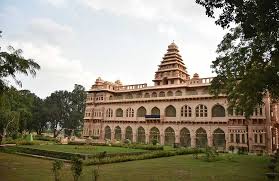
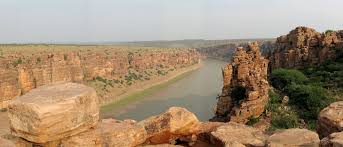
Decentralized tourism development is another key strategy. By promoting tourism across every district in Andhra Pradesh, the state can showcase its diverse attractions and spread the economic benefits of tourism more equitably. Highlighting destinations such as Tirupati, Srisailam, Gandikota, and others will attract a broad spectrum of visitors. This approach ensures that tourism development is not concentrated in a few areas but is distributed across the state, contributing to balanced regional growth and enhancing the overall tourism experience.
Sustainable tourism practices must be emphasized to ensure long-term growth and minimize environmental impact. Encouraging eco-friendly and responsible travel practices, such as respecting local customs, reducing waste, and supporting local businesses, will contribute to sustainable tourism development. By promoting sustainable practices, Andhra Pradesh can ensure that tourism benefits both the economy and the environment, creating positive, long-term impacts. The Indian government’s support for eco-tourism initiatives and incentives for eco-friendly tourism businesses aligns with this approach, fostering a more sustainable tourism industry.
Investing in skill development and capacity building is crucial for improving service quality and promoting sustainable tourism growth. The Andhra Pradesh Tourism Skill Development and Capacity Building Program should focus on training professionals in areas such as hospitality, tour operations, travel journalism, and tourism marketing. Collaborating with educational institutions and industry stakeholders will enhance the employability and productivity of the tourism workforce, ensuring that the state’s tourism sector is well-equipped to meet the needs of a growing number of visitors.
Public-private partnerships (PPPs) can drive innovation and development in the tourism sector. By combining government support with private sector expertise, Andhra Pradesh can develop new attractions, enhance infrastructure, and improve services. PPPs facilitate collaboration and resource sharing, creating a more attractive and sustainable tourism industry. Government funding and regulatory support, coupled with private sector innovation and customer insights, can lead to the successful implementation of tourism projects and boost the state’s tourism ecosystem.

Effective stakeholder engagement is essential for developing and implementing successful tourism strategies. Continuous dialogue with tourism stakeholders, including tourists, local communities, businesses, and other partners, will ensure that tourism products and services are responsive to needs and preferences. By incorporating feedback from stakeholders, Andhra Pradesh can identify areas for improvement, address concerns, and foster a more sustainable and inclusive tourism industry. This collaborative approach will enhance customer satisfaction and loyalty, driving growth in the tourism sector.
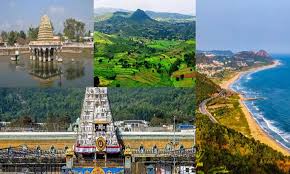
In conclusion, Andhra Pradesh has immense potential to become a leading global tourism destination. By leveraging its rich cultural heritage, natural beauty, and diverse attractions, the state can enhance its tourism sector and contribute significantly to its economic and social development. Implementing proactive measures such as improving infrastructure, offering investment incentives, and promoting sustainable practices will pave the way for a thriving tourism industry. Through strategic branding, stakeholder engagement, and public-private collaborations, Andhra Pradesh can unlock its full tourism potential and establish itself as a premier destination on the global stage. By capitalizing on its strengths and addressing existing challenges, the state can transform its tourism sector into a major economic driver, creating new opportunities for growth and prosperity.
visit arjasrikanth.in for more insights
 SOCIAL PERSPECTIVES