
Last year, negotiators from almost every country in the world came together to finalize a new treaty for the conservation of the high seas. The high seas refer to the oceans that are outside the jurisdiction of any country, covering 64% of the ocean surface and 43% of the Earth. This treaty is significant because currently, there are no environmental laws governing what happens in these areas, despite the oceans being a crucial part of the global climate cycle and home to millions of species and trillions of microorganisms. India recently announced its intention to sign and ratify this treaty, leading to a discussion on its importance and implications. This article will delve into the details of the treaty, its objectives, and the potential impact it can have on the conservation of our oceans and biodiversity.
The high seas have long been a regulatory gap in terms of environmental protection. While countries have sovereign rights over seawater up to 200 nautical miles from their coastlines, the deep sea beyond these boundaries is largely unregulated. This means that countries are free to exploit resources, engage in activities like fishing and deep-sea mining, and lay internet cables without any oversight. The new treaty aims to fill this gap and bring regulation and conservation measures to these vast ocean areas, covering approximately 64% of the entire ocean.
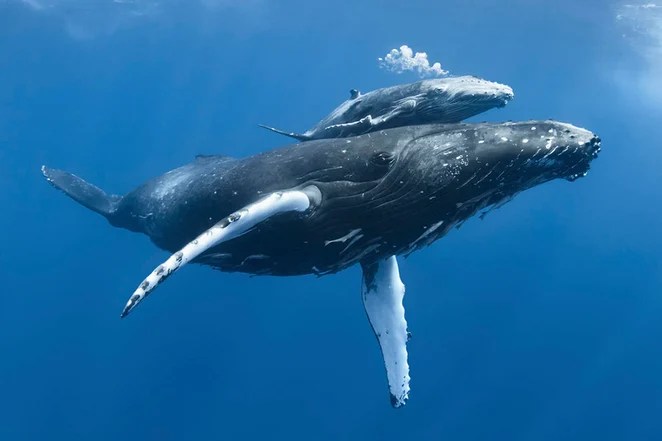
The United Nations Convention on the Law of the Sea (UNCLOS) is an international agreement that defines various aspects of ocean governance, including sovereign rights, maritime boundaries, and resource management. However, UNCLOS was established before concerns about climate change and biodiversity became prominent. While it does have some sustainability provisions, it lacks specific provisions addressing these issues. The high seas treaty aims to address this gap by focusing on the sustainable use of ocean resources and ensuring equitable access to genetic resources found in the ocean.
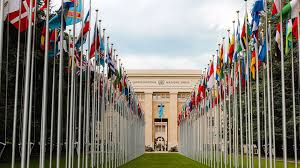
One of the main objectives of the high seas treaty is to establish marine protected areas (MPAs) in the high seas. These MPAs would be similar to protected areas on land, such as national parks and wildlife sanctuaries. These areas would be designated as ecologically fragile and strictly regulated, limiting human activities to ensure the conservation of biodiversity. MPAs play a crucial role in preserving habitats, protecting endangered species, and maintaining the overall health of marine ecosystems.

The ocean is home to a diverse array of life forms, including microorganisms and larger organisms, which hold potential genetic resources that can benefit humanity. These genetic resources can be utilized in various fields, such as drug discovery and biotechnology. The high seas treaty emphasizes the equitable access and sharing of these genetic resources among countries. It ensures that the benefits derived from the utilization of these resources, both in terms of knowledge and financial gains, are distributed proportionally and shared by all countries.
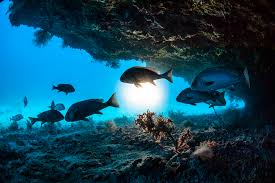
The high seas treaty also introduces the requirement for environmental impact assessments (EIAs) for activities carried out in the deep sea, such as deep-sea mining. EIAs are a standard practice in assessing the potential environmental consequences of projects. This provision aims to ensure that countries undertake comprehensive assessments of the potential impacts of their activities on the marine environment and take necessary measures to mitigate any adverse effects.
The high seas treaty represents a significant step towards the conservation and sustainable use of our oceans and their resources. By addressing the regulatory gap in the high seas, establishing marine protected areas, ensuring equitable access to genetic resources, and implementing environmental impact assessments, this treaty has the potential to protect biodiversity, preserve fragile ecosystems, and promote responsible and sustainable practices in ocean governance. However, the journey towards the treaty’s implementation and ratification by all countries may present challenges. Nevertheless, with collective efforts and a shared commitment to safeguarding our oceans, we can strive towards a more sustainable future for our planet and ensure the protection of our precious marine ecosystems.
visit arjasrikanth.in for more insights
 SOCIAL PERSPECTIVES