
A Posthumous Victory: Supreme Court Declares Assam Man Indian Citizen After 15-Year Struggle
In a ground breaking verdict, the Supreme Court recently declared a man from Assam an Indian citizen after a long and arduous legal battle. This landmark judgment has brought attention to the challenges faced by individuals like RASHEED, who fought for their citizenship for over a decade and a half. RASHEED, an illiterate man, had his citizenship granted posthumously, three years after his demise. This article delves into the details of his struggle, shedding light on the flaws within the citizenship system and the significance of the Supreme Court’s decision.
RASHEED’s journey began in 2004 when he was identified as a suspected illegal immigrant by the police. He received a notice from the Foreigners Tribunal (FT) accusing him of being a foreigner. However, RASHEED failed to appear before the tribunal due to medical reasons, leading to an order declaring him a foreigner in absentia. He appealed this decision to the Gauhati High Court in 2015 but was unsuccessful. It was not until 2017 that the Supreme Court intervened, sending the case back to the FT to give RASHEED an opportunity to defend himself.
The Supreme Court noted several flaws in the proceedings against RASHEED. The initial allegations made by the police lacked substantial evidence, and the grounds on which he was accused were never presented to him. The burden of proof was placed solely on RASHEED, leaving him at a disadvantage. Additionally, the court highlighted the common issue of discrepancies in names and spellings in official documents, emphasizing that such discrepancies should not be the sole basis for determining one’s citizenship.
After 12 long years of legal battles, RASHEED’s case finally reached the Supreme Court again in 2021. To everyone’s surprise, it was discovered that RASHEED had passed away in 2018, three years before the verdict was delivered. The court overturned all previous orders and posthumously declared RASHEED an Indian citizen. Sadly, neither RASHEED nor his family were aware of this significant development until a journalist reached out to them.
The Supreme Court’s decision in RASHEED’s case has far-reaching implications for citizenship jurisprudence in India. It highlights the need for a fair and transparent process that provides accused individuals with a reasonable opportunity to defend themselves. The judgment also brings attention to the flaws in the system, including unsubstantiated allegations and reliance on minor discrepancies in documents. It serves as a reminder that the burden of proof should not solely lie on the accused but should be shared by the authorities making the accusations.
RASHEED’s story is a poignant reminder of the struggles faced by many individuals who fight for their citizenship in India. His posthumous recognition as an Indian citizen by the Supreme Court sheds light on the flaws within the citizenship system and the need for reforms. It is a testament to the importance of a fair and just legal process that upholds the principles of justice and equality. RASHEED’s journey may have ended, but his case will continue to serve as a catalyst for change and a symbol of hope for those seeking their rightful citizenship.
The journey of RASHEED serves as a window into the complexities and bureaucratic challenges that many face when accused of being illegal immigrants. His case began in a small village in Assam, a region fraught with disputes over citizenship and identity. The state’s history of migration and the socio-political dynamics often result in ordinary citizens being entangled in prolonged legal battles to prove their nationality. RASHEED’s case is a stark illustration of how bureaucratic oversight and systemic inefficiencies can profoundly impact individuals and their families.
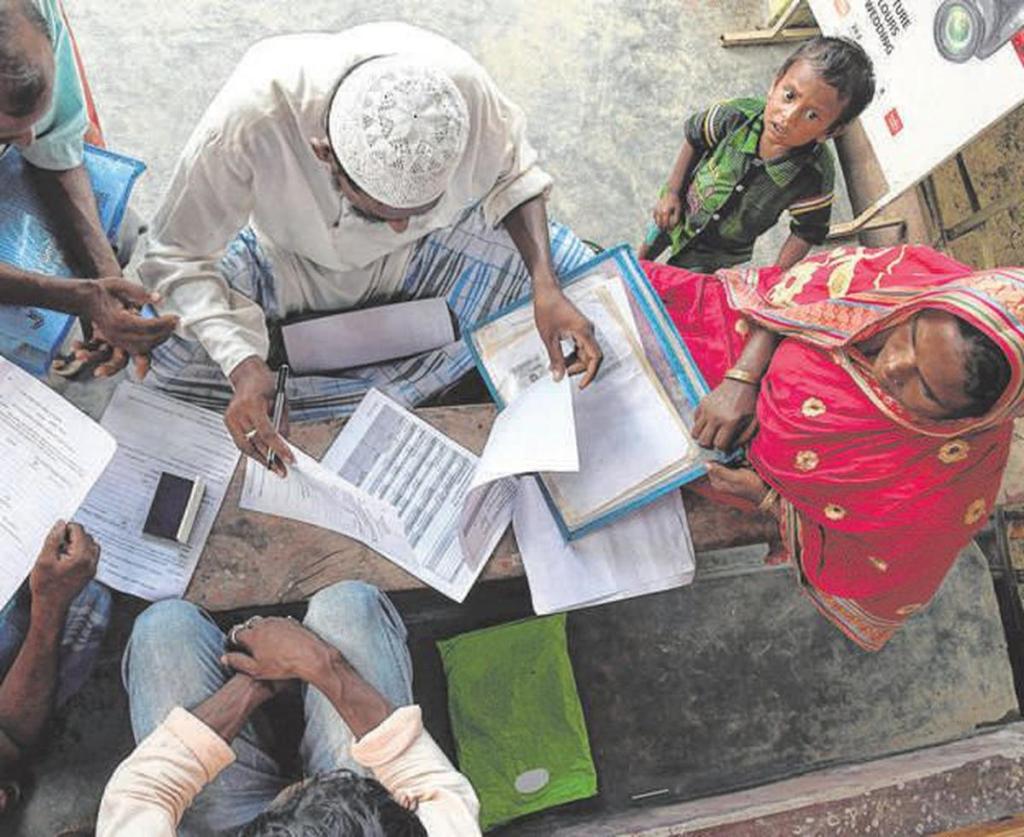
When RASHEED first received the notice from the Foreigners Tribunal, he was bewildered. Illiterate and with limited understanding of the legal processes, he could not comprehend the gravity of the situation. His failure to appear before the tribunal was not due to negligence but rather due to his deteriorating health. Despite his inability to defend himself, the tribunal declared him a foreigner, a decision that would haunt him for the rest of his life.
The Gauhati High Court’s decision to uphold the tribunal’s order added another layer of frustration to RASHEED’s ordeal. His appeal was dismissed without a thorough examination of the evidence, reflecting a broader issue within the judicial process where cases are often rushed, and the individuals’ circumstances overlooked. It was only in 2017, when the Supreme Court decided to intervene, that there was a glimmer of hope for RASHEED and his family.
The Supreme Court’s intervention was a critical turning point. The justices recognized the procedural lapses and the unfair burden of proof placed on RASHEED. Their decision to remand the case back to the Foreigners Tribunal with instructions to allow RASHEED to present his case was a significant step towards ensuring a fair trial. However, this decision came too late for RASHEED, who had already passed away, highlighting the often slow and cumbersome nature of legal processes.
The Supreme Court’s final verdict in 2021, posthumously declaring RASHEED an Indian citizen, was a bittersweet victory. While it corrected a grave injustice, it also underscored the human cost of bureaucratic inefficiency and judicial delays. RASHEED’s family, who had endured years of social stigma and financial hardship due to his uncertain legal status, received the news with mixed emotions. The recognition of RASHEED’s citizenship brought a sense of closure, but it also served as a stark reminder of the years lost in a futile battle.
The judgment also pointed out a significant systemic flaw: the reliance on minor discrepancies in documents as evidence of foreignness. In RASHEED’s case, variations in the spelling of his name and discrepancies in his date of birth were used to question his citizenship. The Supreme Court’s decision emphasized that such inconsistencies, common in official documents, should not be grounds for declaring someone a foreigner. This principle could potentially influence future cases and lead to more humane and rational adjudication processes.
The broader implications of the Supreme Court’s decision extend beyond RASHEED’s case. It highlights the urgent need for reforms in the citizenship verification process. The case has brought to light the plight of many individuals who, like RASHEED, face similar accusations without substantial evidence. It calls for a system that ensures due process and protects individuals from arbitrary and unjust decisions. The judgment also advocates for a more balanced approach where the burden of proof is not disproportionately placed on the accused.
RASHEED’s struggle is emblematic of the wider issues faced by marginalized communities in Assam and other parts of India. The state has a long history of complex migration patterns, and the National Register of Citizens (NRC) process has been mired in controversy. Many individuals, often from poor and illiterate backgrounds, have found themselves caught in the crossfire of identity politics and bureaucratic inefficiencies. The Supreme Court’s ruling in RASHEED’s case serves as a beacon of hope for these individuals, signalling a shift towards a more just and equitable system.
The media’s role in bringing RASHEED’s story to light cannot be understated. It was through persistent journalistic efforts that the plight of RASHEED and others in similar situations gained national attention. Journalists played a crucial role in uncovering the systemic flaws and highlighting the human cost of bureaucratic inefficiency. The interaction between the media, judiciary, and civil society in this case exemplifies how collective efforts can bring about significant change.
RASHEED’s case also sheds light on the psychological toll of prolonged legal battles on individuals and their families. The constant fear of deportation, social ostracization, and financial strain can have devastating effects. RASHEED’s family, like many others, lived under the shadow of uncertainty for years. The emotional and mental stress of proving one’s identity and legitimacy in their own country is a harsh reality for many, and RASHEED’s story brings this aspect to the forefront.
The Supreme Court’s verdict is a call to action for policymakers to address the systemic issues within the citizenship verification process. It underscores the need for a more humane approach that considers the socio-economic realities of the individuals involved. Legal reforms should aim to simplify the process, reduce bureaucratic hurdles, and ensure that the burden of proof is balanced. Moreover, there is a need for better legal aid and support systems for those accused of being foreigners, ensuring they have access to adequate representation and resources to defend themselves.
RASHEED’s journey also highlights the importance of documentation and the challenges faced by marginalized communities in maintaining accurate records. In many rural and impoverished areas, access to proper documentation is limited, and discrepancies are common. This case underscores the need for a more robust and accessible system of record-keeping that minimizes errors and discrepancies, thereby reducing the likelihood of wrongful accusations.
The case of RASHEED will undoubtedly leave a lasting impact on the legal and political landscape in India. It has set a precedent for how cases of alleged illegal immigrants should be handled, emphasizing the need for a fair and transparent process. The judgment serves as a reminder to authorities that the principles of justice and equality must be upheld, even in the face of bureaucratic challenges.
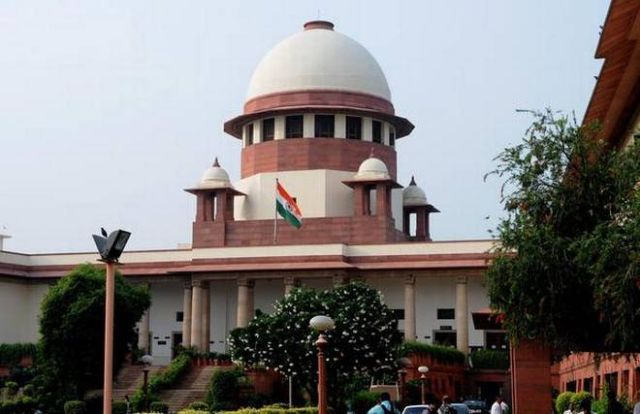
In conclusion, RASHEED’s story is a powerful testament to the resilience of individuals fighting for their rightful place in society. His posthumous recognition as an Indian citizen by the Supreme Court highlights the urgent need for reforms within the citizenship verification process. It is a reminder that justice delayed is justice denied, and that systemic flaws must be addressed to prevent similar cases in the future. RASHEED’s legacy will continue to inspire and drive efforts towards a more just and equitable society, where every individual is afforded their rightful dignity and citizenship.
visit arjasrikanth.in for more insights
 SOCIAL PERSPECTIVES