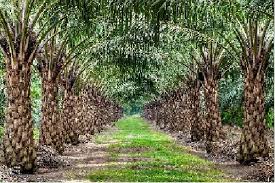
Government Initiatives and Farmer Success Stories are Paving the Way for a Sustainable Oil Palm Industry .
The rise of oil palm cultivation in Andhra Pradesh stands as a compelling example of how favourable environmental conditions, government support, and strategic industry focus can converge to transform agriculture and bolster economic growth. As the global demand for palm oil continues to surge, Andhra Pradesh has emerged as a leading player in the sector, demonstrating how a region can leverage its resources to excel in a high-growth industry. This comprehensive overview explores the multifaceted development of oil palm cultivation in the state, examining the strategies employed, the support mechanisms in place, and the broader implications for the state and beyond.
Andhra Pradesh’s geographic and climatic conditions are central to its success in oil palm cultivation. The state’s diverse agro-climatic zones offer an ideal environment for oil palm, which thrives in tropical conditions characterized by abundant rainfall and a stable climate. These conditions enable the state to maintain a robust and productive oil palm sector capable of meeting domestic needs and contributing to international markets. The state’s commitment to advancing oil palm production is evident through substantial investments and proactive strategies aimed at expanding the sector.

A key component of the development of oil palm cultivation in Andhra Pradesh is the government’s comprehensive support and incentive framework. One of the most significant measures is the increase in subsidies for plant material. The revised subsidy rates now stand at ₹20,000 per hectare for indigenous plants and ₹29,000 for imported plants, a notable increase from the previous ₹12,000 per hectare. Additionally, the maintenance subsidy has been raised to ₹21,000 per hectare. These enhanced subsidies are designed to reduce the initial costs associated with establishing oil palm plantations, making it more financially viable for farmers to invest in this lucrative crop.
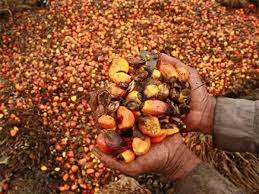
Financial assistance is another critical element of the government’s support strategy. The estimated cost of oil palm cultivation is around ₹1.2 lakh per hectare, with the government providing a subsidy of ₹30,000. This financial aid alleviates the initial investment burden on farmers and encourages broader adoption of oil palm cultivation. By offering substantial financial support, the government aims to mitigate the risks associated with the early stages of cultivation and facilitate a smoother transition for farmers into oil palm production.
The economic incentives associated with oil palm cultivation further enhance its attractiveness. Farmers can earn approximately ₹3 lakh per annum from an acre of oil palm, translating into significant income when scaled up. The establishment of direct purchasing agreements between oil companies and farmers ensures that farmers receive fair prices for their produce, eliminating intermediaries from the supply chain. This direct market access not only improves financial outcomes for farmers but also enhances overall profitability within the sector.
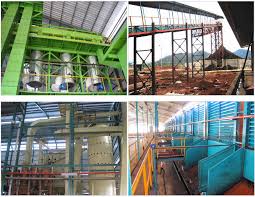
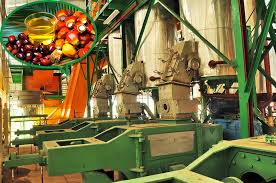
Infrastructure development is another area where significant strides are being made. Planned investments exceeding ₹300 crore aim to develop sapling nurseries, collection centres, and state-of-the-art processing mills. This infrastructure investment is expected to create around 1,000 direct and indirect jobs, contributing to economic growth and stability within the region. By enhancing infrastructure, the government is ensuring that the entire supply chain—from cultivation to processing—operates efficiently and effectively.
Despite these positive developments, there is a compelling case for the establishment of a dedicated Palm Oil Board. Such a board would facilitate better coordination among stakeholders, including farmers, processors, and policymakers. Centralizing governance and oversight would streamline efforts to boost production and address sector challenges more effectively.
A Palm Oil Board could play a crucial role in implementing and overseeing sustainable agricultural practices. This would involve promoting water-efficient irrigation techniques and minimizing the use of harmful pesticides, ensuring that environmental concerns are addressed. By focusing on sustainability, the board would help mitigate the environmental impact of palm oil cultivation and promote long-term viability.
Furthermore, a dedicated board would be instrumental in implementing government policies effectively. It could manage subsidies, oversee infrastructure projects, and ensure that support reaches the intended beneficiaries. This would enhance the effectiveness of policy measures and ensure optimal use of resources.
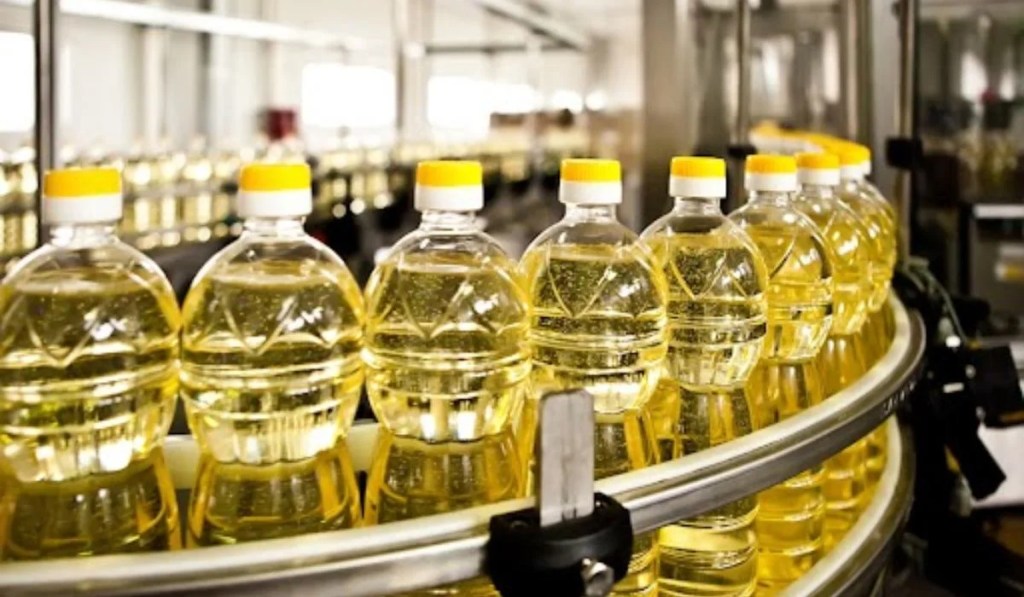
Research and development would also benefit from the establishment of a Palm Oil Board. By driving R&D efforts focused on improving yield, disease resistance, and sustainability, the board would help Andhra Pradesh maintain its competitive edge in the global palm oil market. Investing in R&D would support innovation and technological advancements, further strengthening the state’s position in the industry.
While the economic benefits of palm oil cultivation in Andhra Pradesh are substantial, the sector also faces significant environmental challenges. One major concern is water usage. Oil palm cultivation requires considerable amounts of water, with irrigation needs rising to 325-350 liters per palm per day during the summer months. This high water demand exacerbates groundwater depletion in the region, raising concerns about the sustainability of water resources.
Climate change also poses risks to palm oil cultivation. Variability in rainfall patterns due to climate change can negatively impact palm oil yields. Coastal districts in Andhra Pradesh, which receive less rainfall and experience high variability, face particular challenges. The effects of climate change, such as altered precipitation patterns and increased frequency of extreme weather events, could further complicate oil palm production.
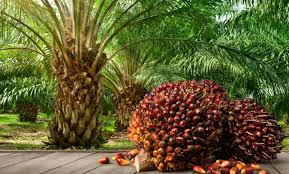
Environmental impact is another critical issue. The expansion of oil palm plantations has raised concerns about deforestation and habitat loss. Despite efforts to mitigate these impacts, such as using mobile apps for water management and exploring water recharge techniques, the environmental footprint of palm oil cultivation remains significant. The conversion of natural habitats into oil palm plantations can lead to biodiversity loss and ecosystem disruption.
Success stories from individual farmers in Andhra Pradesh illustrate the transformative potential of oil palm cultivation. For instance, a farmer who transitioned from mango cultivation to oil palm has seen his income triple and his quality of life improve. This experience underscores the economic benefits that oil palm cultivation can offer, even to small-scale farmers.
Similarly, another farmer has used the profits from his oil palm farm to educate his children and build a home. His success highlights the broader social benefits of oil palm farming, including improved education and housing conditions for rural families.
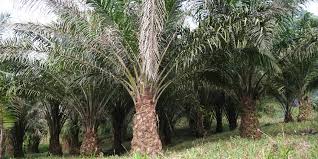
Looking ahead, the future of oil palm cultivation in Andhra Pradesh appears promising, with ambitious expansion targets and continued government support. The state plans to cover an additional 112,000 hectares by 2025-26, building on its current successes. This expansion will require ongoing investment and support from both the government and private sector.
Balancing economic benefits with environmental sustainability remains a critical challenge. The introduction of advanced practices and technologies will be essential for minimizing the ecological impact of palm oil production. Efforts to improve water management, reduce pesticide use, and enhance environmental stewardship will be key to ensuring the long-term sustainability of palm oil cultivation.
In conclusion, the proactive measures taken in palm oil production and processing are setting a benchmark for the industry. With increased subsidies, substantial investments, and the potential establishment of a Palm Oil Board, the region is well-positioned to lead in this sector. Although challenges related to water usage and environmental sustainability remain, the commitment to addressing these issues through innovative solutions and supportive policies is commendable.

The success stories of individual farmers and the region’s ambitious expansion plans demonstrate the potential of palm oil cultivation to drive economic growth and improve livelihoods. By continuing to balance economic and environmental considerations, the region can ensure a sustainable and prosperous future for its palm oil industry. This comprehensive approach not only supports the growth of the palm oil sector but also contributes to broader agricultural and economic development goals. As the region continues to lead in oil palm cultivation, its experiences and strategies could serve as a model for other areas seeking to harness the benefits of this vital crop.
Visit arjasrikanth.in for more insights
 SOCIAL PERSPECTIVES