
Unmasking the Job Crisis: A Comprehensive Look into India’s Employment Struggles
India’s job market has been under intense scrutiny, with conflicting reports and statistics painting a complex and multifaceted picture. While some sources highlight growth in job creation and a decrease in unemployment, others raise concerns about the quality of jobs and sectoral disparities. To understand the real situation of job opportunities in India, it is essential to consider multiple perspectives and interpretations, providing a comprehensive analysis of the complexities surrounding India’s job scenario.
According to a report by the Reserve Bank of India (RBI), the growth rate of new job creation has increased from 3.2% in 2020 to 6.3% in 2024. The report also suggests that the working population in the country has witnessed a significant increase, reaching 56% in 2023 from 46.8% in 2018. These figures seem to indicate a positive turnaround in India’s job market. Prime Minister Modi has emphasized the creation of jobs in various sectors over the past few years, claiming that unprecedented opportunities have been generated. The RBI’s report portrays a scenario of rising employment and a robust job market, further corroborated by government data showing an increase in employee participation. The government argues that their policies and initiatives, such as the Make in India campaign and various skill development programs, have played a crucial role in enhancing job creation. These initiatives have focused on boosting manufacturing, fostering innovation, and supporting startups, which are believed to have contributed to the positive employment trends.

However, the City Group report presents a contrasting view. It asserts that India needs to create 1.1 to 1.2 crore jobs annually, but the current rate of GDP growth can only generate around 80 to 90 lakh jobs. The report also highlights concerns about the quality of jobs, stating that a significant portion of employment is still concentrated in the agricultural sector, despite its contribution to GDP being less than 20%. It further raises concerns about the divide in job creation and the need for improvement in sectors like manufacturing. The City Group’s report underscores the challenges faced by the Indian job market, particularly the disparity between the number of jobs needed and those being created. It points out that while there is job creation, the pace is insufficient to meet the demands of a growing workforce. Additionally, the concentration of employment in agriculture highlights the lack of diversification in job opportunities, which is essential for sustainable economic growth. The report suggests that more efforts are needed to enhance job creation in sectors such as manufacturing, technology, and services.

The government has challenged the City Group report, citing data from the RBI and other government sources. They argue that the City Group report does not consider crucial data like the periodic labor force survey and the RBI’s employment reports. The government claims that there has been a steady increase in employee participation and a decline in unemployment rates, as evidenced by these reports. The government’s response emphasizes the importance of considering multiple sources of data to get a comprehensive understanding of the job market. They highlight the periodic labor force survey, which provides insights into employment trends across various sectors and demographics. By focusing on a broader range of data, the government aims to present a more optimistic view of the job market, countering the concerns raised by the City Group.
Experts emphasize the need to look beyond headline figures and consider the quality of jobs being created. They point out that while job creation rates may appear positive, the nature of these jobs, including factors such as wages, job security, and working conditions, is equally important. Structural reforms are needed to address the mismatch between job creation and the skills of the workforce. Many experts focus on regional disparities in job creation. While some states have seen significant improvements in employment, others continue to struggle with high unemployment rates. Targeted policies that address the specific needs of different regions, including investments in infrastructure, education, and skill development, are crucial.

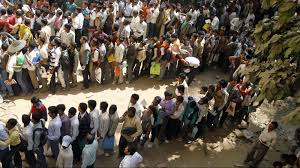
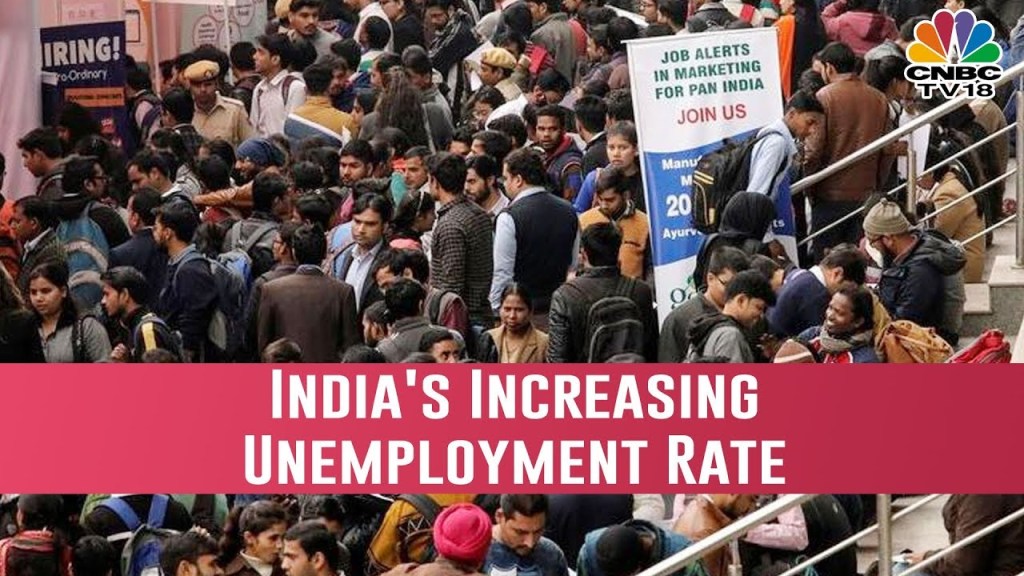
The youth in India have been at the forefront of the frustration stemming from the job market’s challenges. The lack of adequate job opportunities, coupled with intense competition, has led to widespread discontent among young job seekers. This frustration is evident in various instances, such as the chaotic scenes at job fairs and recruitment drives. For example, a recruitment drive by Air India Airport Services Ltd (AIASL) for airport loaders descended into chaos at Mumbai airport, as more than 25,000 hopefuls turned up to vie for just 600 vacancies. The overwhelming turnout left Air India staff struggling to manage the massive crowd, leading to a stampede-like situation. Visuals from the scene showed a frantic crowd jostling to reach the form counters, with applicants enduring hours of waiting without food and water, leading to many feeling unwell. Similarly, another chaotic recruitment drive in Gujarat’s Ankleshwar saw hundreds of job seekers pushing and shoving at a walk-in interview for just 10 positions at a private firm. The rush was so intense that a railing collapsed under the weight of the job seekers, though fortunately, no serious injuries were reported.

These incidents highlight the desperation and frustration among the youth as they struggle to secure employment. The high turnout for these job openings underscores the intense competition and the limited availability of quality jobs. It also points to the urgent need for more effective policies and initiatives to address the unemployment crisis and provide meaningful opportunities for young job seekers. Addressing the unemployment crisis in India requires a multi-faceted approach that includes policy measures and initiatives to stimulate job creation and improve the quality of employment.
The government has implemented several policies aimed at tackling unemployment, such as the Make in India campaign, Skill India initiative, and various sector-specific programs. The Make in India campaign aims to boost manufacturing and create jobs by encouraging domestic and foreign investments in the sector. By providing incentives and reducing bureaucratic hurdles, the campaign seeks to make India a global manufacturing hub, thereby generating employment opportunities. The Skill India initiative focuses on equipping the workforce with the necessary skills to meet the demands of various industries. Through skill development programs and vocational training, the initiative aims to bridge the gap between job seekers’ skills and employers’ requirements, enhancing employability. Additionally, the government has launched various sector-specific programs to promote job creation in industries such as agriculture, textiles, and information technology. These programs aim to provide targeted support to sectors with high employment potential, fostering growth and job opportunities.
The private sector plays a crucial role in addressing unemployment and driving economic growth. By creating a conducive environment for businesses to thrive, the government can encourage private sector investment and job creation. This includes reducing bureaucratic red tape, offering incentives for companies to invest and expand, and fostering innovation and entrepreneurship. Efforts to enhance the ease of doing business in India have seen some success, with the country improving its ranking in the World Bank’s Ease of Doing Business index. However, more needs to be done to ensure a business-friendly environment that attracts investments and promotes job creation. While there are significant challenges in addressing unemployment, there are also opportunities for growth and development. The rapid advancement of technology and the digital economy presents new avenues for job creation. Sectors such as information technology, e-commerce, and renewable energy offer substantial potential for generating employment. Investing in education and skill development is crucial to prepare the workforce for these emerging sectors. By focusing on quality education and training programs, India can equip its youth with the skills needed to thrive in the modern job market.
Furthermore, regional disparities in job creation need to be addressed through targeted policies and investments. By focusing on the specific needs of different regions, including infrastructure development and support for local industries, the government can promote balanced and inclusive growth. The journey to managing unemployment in India is challenging but not insurmountable. A comprehensive approach, involving policy measures, private sector engagement, and a focus on education and skills, can create a vibrant job market that meets current demands and prepares for future growth. The collective efforts of the government, private sector, and civil society are essential in transforming the job market and securing a prosperous future for the nation’s youth.
In conclusion, the Indian job scenario is a complex issue with diverse reports, but the urgent need for effective policies and initiatives to address unemployment is evident, given the frustration and intense competition among the youth. Implementing long-term economic strategies, enhancing the private sector’s role, and investing in education and skill development can help create a robust job market that aligns with the aspirations of the youth and propels the nation towards sustained prosperity. However, managing unemployment in India poses challenges, and a comprehensive approach involving policy measures, private sector engagement, and a focus on education and skills is essential to transform the job market and secure a prosperous future for the nation’s youth.
visit arjasrikanth.in for more insights
 SOCIAL PERSPECTIVES