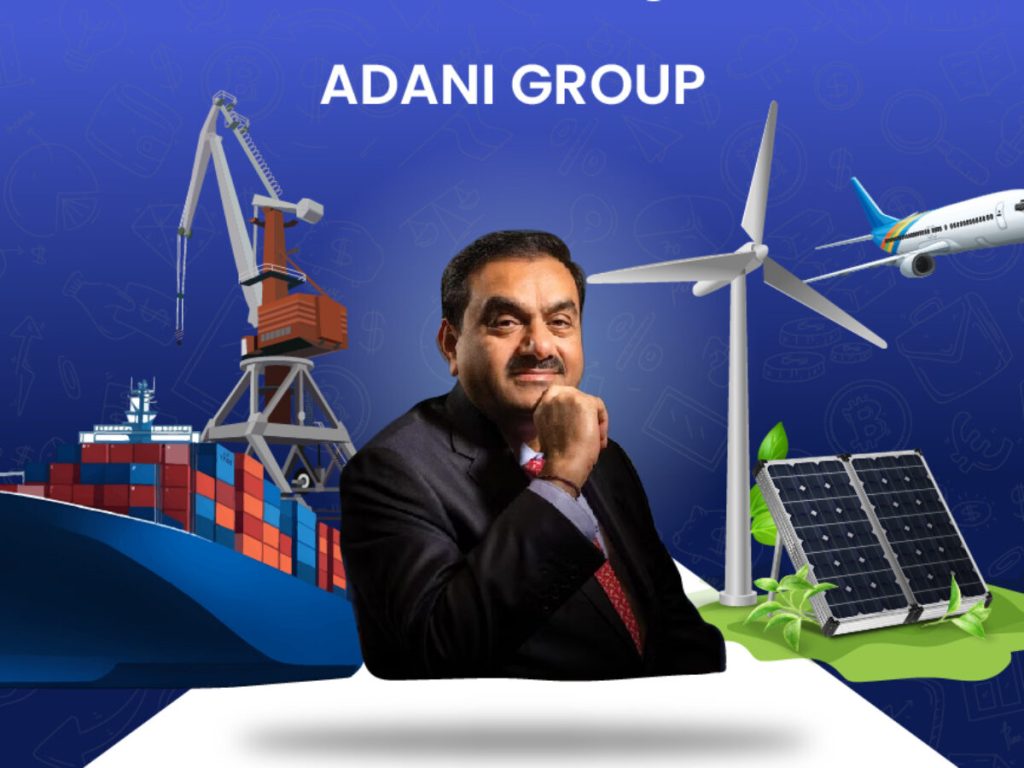
Chronicling the Rise of a Diversified Indian Conglomerate: From Humble Beginnings to Global Competitor
The Adani Group’s story is one of remarkable transformation, from a modest commodity trading business founded by Gautam Adani on 20 July 1988 to a diversified Indian conglomerate that has become a dominant player on the global stage. Over the course of its 36-year history, the group has navigated numerous challenges, controversies, and setbacks, yet it has consistently demonstrated its resilience, adaptability, and ambition to become a true powerhouse in India’s rapidly evolving business landscape.
Adani Group’s origins can be traced back to 1988 when Gautam Adani established the company as a simple commodity trading business in Ahmedabad, Gujarat. From these humble beginnings, the group has evolved into a sprawling conglomerate with a presence across a diverse range of sectors, including port management, electricity generation and transmission, mining, natural gas, food processing, weapons, and infrastructure.
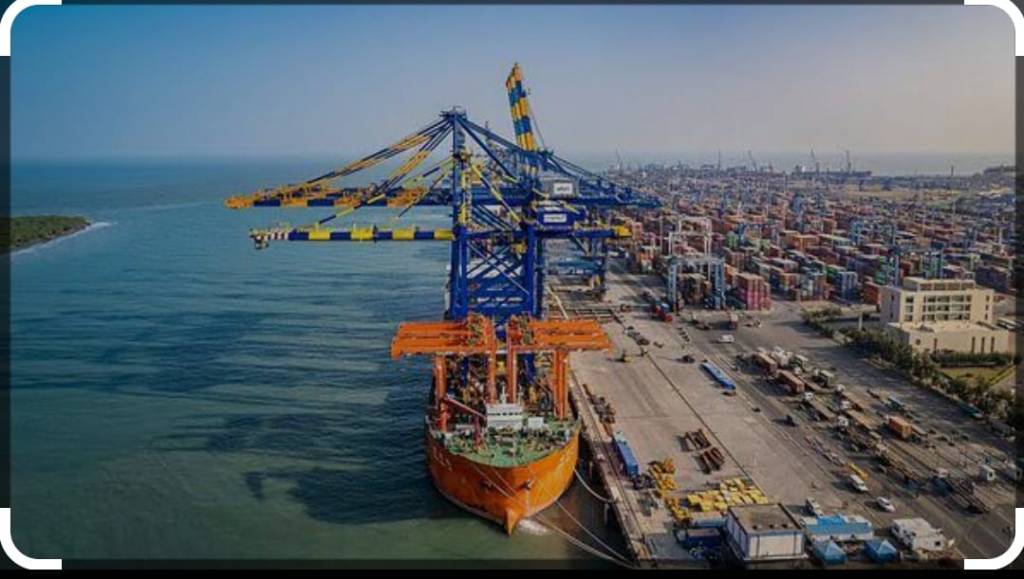
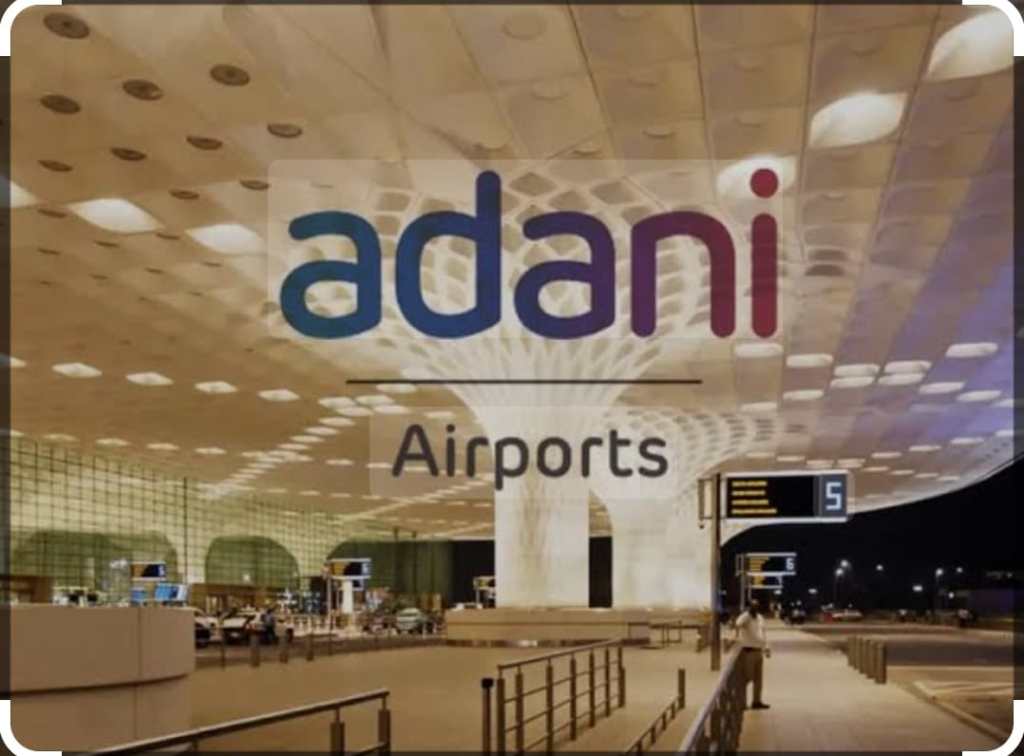
The group’s rapid expansion and diversification have been driven by a strategic vision to capitalize on India’s growing demand for infrastructure and energy. Through a series of strategic acquisitions and investments, the Adani Group has established a dominant position in key sectors, such as airports, renewable energy, and cement.
The group’s ability to secure large-scale infrastructure projects and attract significant foreign investment has been instrumental in its meteoric rise. At its peak in 2022, the Adani Group boasted a staggering market capitalization of $206 billion, cementing its status as one of the largest conglomerates in India.
However, the Adani Group’s journey has not been without its challenges and controversies. In recent years, the conglomerate has faced intense scrutiny from various stakeholders, including regulators, investors, and environmental activists, over its business practices and environmental impact.
The most significant setback came in the form of a damning report by short-seller firm Hindenburg Research, which leveled allegations of fraud and market manipulation against the Adani Group. This sparked a massive sell-off, with the group losing over $104 billion in value, and brought the group’s governance and transparency under the spotlight.
The Supreme Court’s intervention in 2024, directing the Securities and Exchange Board of India (SEBI) to expedite its investigation into the Adani Group, was seen as a critical step towards resolving the ongoing saga and clearing the group from further investigations. The group’s ability to navigate this crisis and restore investor confidence has been a testament to its resilience and adaptability.

Despite these challenges, the Adani Group has continued to pursue its ambitious growth plans, leveraging strategic partnerships and acquisitions to expand its footprint both within India and globally.
The group’s foray into the airport sector, its rapid growth in renewable energy, and its entry into the cement industry have all demonstrated the Adani Group’s ability to identify and capitalize on emerging opportunities. The group’s willingness to diversify and its successful track record of integrating acquired assets have been key drivers of its expansion.
Moreover, the Adani Group’s ability to attract investments from prominent international conglomerates, such as the UAE-based International Holding Company (IHC) and the French energy major TotalEnergies, has further cemented its position as a leading player in the global business landscape.

As the Adani Group continues to grow and evolve, it faces the challenge of navigating the complex landscape of environmental, social, and governance (ESG) concerns. The group’s reliance on coal and its impact on the environment have drawn significant criticism, raising questions about the sustainability of its operations and its long-term strategy.
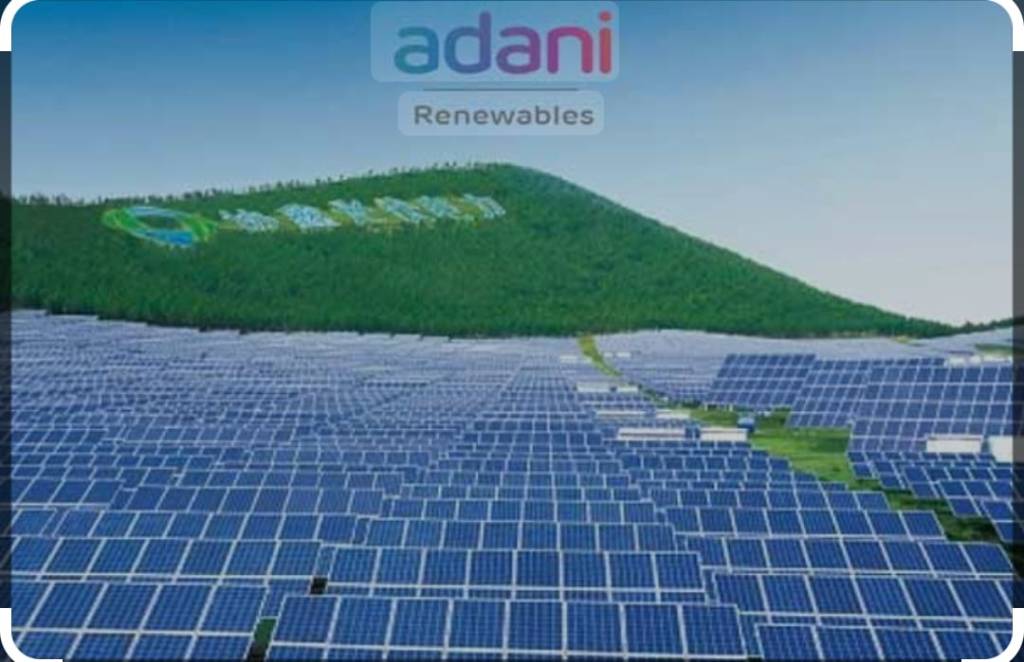
In response, the Adani Group has taken steps to diversify its business portfolio, with a particular focus on renewable energy. The group’s investments in solar, wind, and green hydrogen production are aimed at positioning it as a key player in the global transition to a low-carbon economy.
The Adani Group’s ability to balance its growth ambitions with a commitment to sustainability and responsible business practices will be crucial in determining its long-term success and impact on the Indian and global economies.

The Adani Group’s journey, from its humble beginnings to its current status as a diversified Indian conglomerate, is a testament to the power of ambition, adaptability, and resilience. Despite the challenges and controversies it has faced, the group has consistently demonstrated its ability to identify and capitalize on emerging opportunities, drive innovation, and build global partnerships.
As the Adani Group continues to chart its course through the complexities of the modern business landscape, its story will undoubtedly continue to unfold, shaping not only the group’s own destiny but also the broader narrative of India’s economic development and the role of its leading conglomerates.
visit arjasrikanth.in for more insights
 SOCIAL PERSPECTIVES