
The 2024 presidential election in the United States looms large on the horizon, characterized by intense polarization and critical issues that have dominated public discourse and shaped political strategies. At the heart of this pivotal moment are two primary concerns: President Joe Biden’s health and the passage of the Survey Act, formally known as the Safeguard American Vote Eligibility Act. These issues not only reflect the challenges facing American democracy but also underscore the complexities of leadership and governance in an increasingly divided nation.
The health of President Joe Biden has emerged as a focal point in the lead-up to the 2024 election. Amidst widespread speculation fuelled by videos and social media posts questioning his physical and cognitive fitness, concerns about Biden’s age and ability to serve effectively have permeated public discourse. Figures within his own party, including prominent voices like actor George Clooney and House Speaker Nancy Pelosi, have subtly suggested that Biden should consider his continued candidacy. However, White House spokesperson John Pierre has dismissed these concerns, attributing them to AI-generated misinformation.

Critics argue that focusing on Biden’s age and health status serves as a Republican strategy aimed at undermining his presidency. They contend that if Biden is indeed fit for office, his age should not be a disqualifying factor. Nevertheless, his occasional verbal slips and visible aging have contributed to doubts about his leadership capabilities, particularly in the context of a nation grappling with significant domestic and global challenges.
The debate over Biden’s health extends beyond partisan politics, highlighting broader concerns about transparency, honesty, and the need for a realistic assessment of presidential fitness. As the leader of the free world, the President’s health and ability to fulfil the duties of office are critical considerations that resonate deeply with voters seeking stability and effective governance.
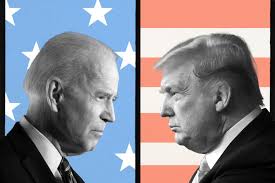
Simultaneously, the passage of the Survey Act by the US House of Representatives has ignited controversy and sharp political divisions. Officially titled the Safeguard American Vote Eligibility Act, this legislation mandates proof of citizenship for voter eligibility—a requirement not universally supported. Proponents argue that the measure is essential for safeguarding the integrity of the electoral process, drawing parallels to voter ID laws in other democracies like India.
Supporters of the Survey Act assert that requiring proof of citizenship is a necessary step to prevent voter fraud, including allegations that non-citizens have unlawfully participated in US elections. However, critics counter that instances of voter fraud involving non-citizens are exceedingly rare, citing meticulous investigations that have revealed minimal evidence to support widespread fraud claims.
Opponents of the Survey Act, predominantly Democrats, argue that it represents a concerted effort to disenfranchise marginalized communities and suppress voter turnout. They contend that the legislation disproportionately impacts minorities and immigrants, potentially undermining the democratic principle of equal representation and access to the ballot box.

Beyond the substantive policy debates, the 2024 election cycle has been marked by strategic manoeuvres and political cynicism. Critics accuse Republicans of exploiting immigration and voter fraud fears as tactics to mobilize their base and gain electoral advantage. Former President Donald Trump’s influence looms large within the Republican Party, with allegations that his directives have shaped legislative priorities and party strategies, often at the expense of bipartisan compromise.
The Republican narrative on immigration and voter fraud is viewed as part of a broader strategy to consolidate power through fear and division. By focusing on perceived threats posed by immigrants and fraudulent voting practices, Republicans seek to galvanize support among their base while casting doubt on the legitimacy of electoral outcomes that do not favour their interests.
Critics argue that the Republican emphasis on voter ID laws and immigration enforcement reflects a fundamental contradiction within the party’s stance on electoral integrity. Despite advocating for stringent voting requirements, some Republicans have undermined confidence in the electoral process by contesting election results and perpetuating unfounded claims of widespread fraud. This approach, they contend, undermines the credibility of democratic institutions and fosters partisan divisions that threaten the stability of American democracy.
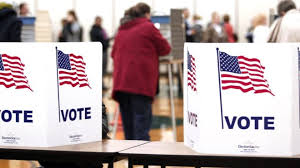
Experts caution that safeguarding the integrity of the electoral process requires a balanced approach that addresses legitimate concerns about voter fraud while ensuring equitable access to voting rights. The polarization and cynicism surrounding electoral issues underscore the urgent need for political leadership capable of fostering unity, transparency, and public trust in democratic institutions.

As the United States prepares for the 2024 presidential election, the nation stands at a crossroads defined by critical challenges and divisive political narratives. The health of President Joe Biden and the passage of the Survey Act encapsulate the complexities of contemporary American democracy, where leadership, transparency, and electoral integrity are under intense scrutiny.
The outcome of the election will not only determine the future direction of the country but also shape its global standing and internal cohesion. The issues at stake—Biden’s health, voter eligibility, and political strategies—reflect broader debates about governance, representation, and the resilience of democratic norms.
Ultimately, the 2024 election represents a pivotal moment for American democracy, where the choices made by voters will resonate far beyond the confines of party lines and political allegiances. The challenge lies in navigating uncertainty with a commitment to unity, integrity, and the enduring principles that underpin democratic governance. As the nation prepares to cast its ballots, the stakes could not be higher in determining the course of America’s future.
visit arjasrikath.in for more insights
 SOCIAL PERSPECTIVES