
Confronting the Surge with New Laws and a Commitment to Justice
India has seen a significant rise in road accidents, with over 460,000 reported in 2022, a 12% increase from the previous year. Among these, more than 67,000 were hit-and-run cases. This translates to an average of 53 road accidents and 19 deaths every hour, highlighting the need for stringent measures to address this issue.
In response to the rising concern over hit-and-run incidents, the Bharatiya Nyay Sanhita (BNS) Act, 2023, introduced stricter penalties. Section 106 (2) of the BNS mandates up to 10 years in jail and a fine for fleeing an accident scene without reporting to a police officer or magistrate. This aims to deter negligent drivers from escaping responsibility after causing accidents.
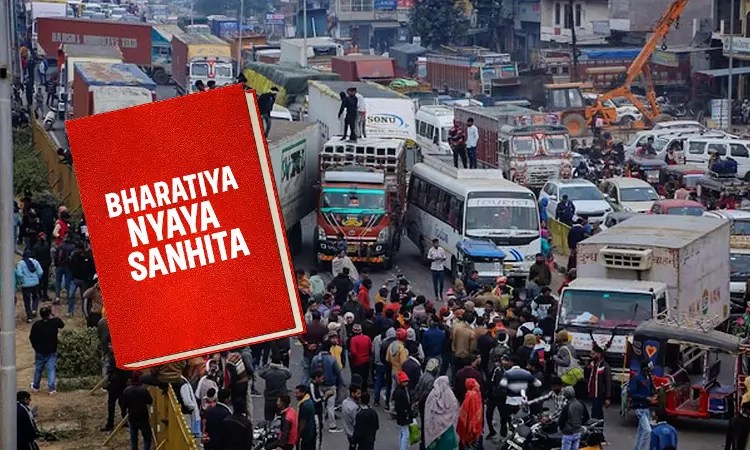
Under the BNS, the punishment for hit-and-run cases is more severe compared to the Indian Penal Code (IPC). Drivers who cause serious accidents by negligent driving and flee the scene without informing authorities can now face up to 10 years of imprisonment and a fine of Rs 7 lakh. This increase in penalties underscores the government’s commitment to reducing hit-and-run cases and ensuring accountability.
Previously, the IPC addressed hit-and-run cases under sections 279, 337, 338, and 304A, with Section 337 specifically dealing with hurt caused by rash or negligent driving. However, these provisions were often criticized for being lenient, as the offense was bailable and did not adequately address the ‘run’ aspect of hit-and-run cases. This leniency was believed to contribute to the high rate of fatalities and trauma resulting from such incidents.

The new regulations under the BNS are seen as a crucial step towards tackling the menace of hit-and-run accidents. The stricter penalties aim to deter drivers from fleeing accident scenes and encourage them to take responsibility for their actions. However, experts remain cautious about the effectiveness of these laws, pointing out that the real challenge lies in their enforcement. While the legislation provides a strong legal framework, its success will depend on the efficiency and commitment of law enforcement agencies in implementing the new rules.
The Motor Vehicles (MV) Act, 1988, addresses compensation for victims of hit-and-run accidents. It stipulates a compensation of Rs 2 lakh for deaths resulting from hit-and-run accidents and Rs 50,000 for grievous injuries. The Supreme Court has urged the central government to ensure that compensation amounts are adequate and reflective of the severity of incidents. However, the compensation provided often falls short of covering the extensive costs incurred by victims, given the high costs of medical treatment and financial losses suffered by families. There is a pressing need to review and increase these amounts to ensure they are commensurate with the severity of the injuries and the financial impact on the victims.

Hit-and-run cases continue to pose a significant challenge, particularly in urban areas where almost half of the fatalities in road accidents involve vehicles that were never traced. Cities like Delhi, where the rate of hit-and-run incidents is particularly high, illustrate the pressing need for effective implementation and enforcement of these laws. Mumbai, Pune, and Hyderabad have also witnessed several high-profile hit-and-run cases, drawing attention to the inadequacies of the current legal framework.
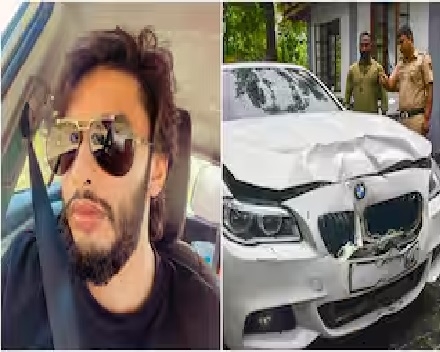
Mumbai has seen some notorious hit-and-run cases, including an incident involving a prominent strongman who attempted to evade arrest after causing a fatal accident. The subsequent police investigation revealed a network of individuals complicit in the incident, highlighting the complexities of hit-and-run cases. Similar incidents have occurred in other cities like Pune, Delhi, and Hyderabad, underscoring the need for comprehensive measures to address these cases.
Analyzing statistical data reveals a concerning trend of increasing hit-and-run incidents across India. Comparing the number of cases from 2019 to 2022 demonstrates a significant rise, indicating the urgent need for action. These incidents not only threaten road safety but also erode public trust in the justice system. The leniency previously exhibited in handling these cases under the IPC has contributed to this alarming rise. The introduction of the BNS Act, with its stricter penalties, is a step in the right direction, but its success will depend on rigorous enforcement.
Hit-and-run accidents have devastating consequences for both victims and their families. Victims often suffer from severe physical injuries that require extensive medical treatment and rehabilitation. The psychological trauma of such incidents can be long-lasting, leading to mental health issues like depression and anxiety. Financially, the burden of medical expenses and the loss of income can be devastating for families. In many cases, the legal battle for compensation and justice is an uphill struggle, further adding to their woes.
Law enforcement plays a crucial role in addressing the hit-and-run menace. The effectiveness of the new laws under the BNS Act will largely depend on the commitment and efficiency of the police and judiciary in enforcing them. This includes prompt and thorough investigations, swift apprehension of offenders, and ensuring that cases are prosecuted to the full extent of the law. The implementation of technological tools like surveillance cameras and automated number plate recognition systems can aid in tracking down hit-and-run offenders more effectively.
Community awareness and education are vital in combating hit-and-run incidents. Public awareness campaigns that highlight the legal consequences of hit-and-run offenses and the importance of responsible driving can help reduce these incidents. Schools and colleges can play a role in educating young people about road safety and the severe repercussions of negligent driving. Non-governmental organizations (NGOs) and community groups can collaborate with law enforcement agencies to promote road safety and support victims.
The media plays a significant role in highlighting hit-and-run cases and advocating for justice. Media coverage can bring attention to specific incidents, putting pressure on authorities to take action and ensuring that cases are not forgotten. High-profile cases that receive extensive media attention often lead to public outcry, prompting legal reforms and stricter enforcement of laws. However, the media must also be responsible in their reporting, avoiding sensationalism and respecting the privacy and dignity of victims and their families.

The rising number of hit-and-run cases in India is a grave concern that demands immediate attention and action. The introduction of the BNS Act, 2023, with its stricter penalties, is a welcome step towards addressing this issue. However, the effectiveness of these laws will depend on their rigorous enforcement by law enforcement agencies and the judiciary. Adequate compensation for victims, increased public awareness, and community involvement are also essential in combating the hit-and-run menace. By working together, the government, law enforcement agencies, media, and the public can create a safer environment on the roads and ensure that justice is served for the victims of hit-and-run incidents.
visit arjasrikanth.in for more insights
 SOCIAL PERSPECTIVES