
The North Atlantic Treaty Organization (NATO), ratified in 1949, stands as a testament to the enduring commitment of Western nations to collective defense and mutual assistance in the face of global uncertainties. As the alliance celebrates its 75th anniversary amidst evolving geopolitical challenges, this article explores NATO’s historical significance, its current relevance in modern security landscapes, and the pivotal discussions shaping its future.
The origins of the North Atlantic Treaty can be traced back to the aftermath of World War II, a period marked by heightened Cold War tensions between the Western bloc and the Soviet Union. Formed initially by twelve nations including the United States, Canada, and several European states, NATO aimed to counter the perceived threat of Soviet expansionism through collective security. Central to its founding principles was Article 5, which enshrined the doctrine of mutual defense— an attack on one member would be deemed an attack on all, fostering solidarity among member nations.
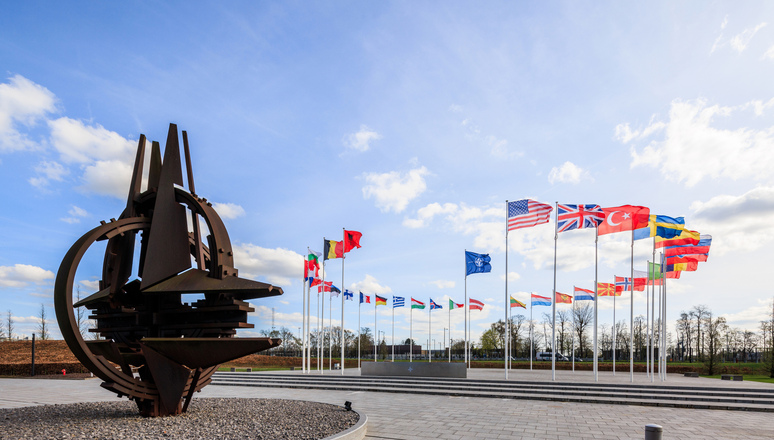
In the contemporary geopolitical landscape, NATO continues to serve as a cornerstone of transatlantic security and stability. The alliance has adapted its strategic posture to address diverse security challenges, ranging from conventional warfare to terrorism and cyber threats. NATO’s expansive mission includes crisis management operations, humanitarian assistance, and peacekeeping missions, underscoring its role in promoting peace and security beyond its original defense mandate.
The alliance’s response to evolving security dynamics, such as Russia’s annexation of Crimea and hybrid warfare tactics, highlights NATO’s agility in confronting emerging threats while upholding democratic values and international norms. NATO member states’ commitment to defense spending targets and interoperability initiatives underscores their collective resolve to enhance military readiness and deterrence capabilities in an unpredictable global environment.

The 75th anniversary summit of NATO in Washington, D.C., served as a pivotal moment for member and partner nations to reaffirm their commitment to collective defense and solidarity amidst escalating global challenges. Key highlights of the summit included discussions on defense spending targets, the establishment of new military command structures, and initiatives to bolster allied resilience in the face of regional instability.
Secretary General Jens Stoltenberg’s address underscored NATO’s pivotal role in maintaining transatlantic security and upholding democratic principles, particularly in light of Russia’s ongoing aggression in Ukraine and China’s assertive policies. The summit’s outcomes reflect NATO’s proactive stance in adapting to modern security threats while fostering unity among member states and enhancing cooperation with strategic partners worldwide.

Russia’s strategic behavior and its relations with NATO member states have significant implications for the alliance’s security calculus and cohesion. The Kremlin’s actions, including the invasion of Ukraine and ongoing destabilization efforts in Eastern Europe, have tested NATO’s collective resolve and prompted robust responses, such as increased troop deployments and defensive measures along NATO’s eastern flank.
Analysing Russia’s influence on NATO’s strategic calculations reveals a complex interplay of military deterrence, diplomatic engagements, and economic sanctions aimed at curbing Moscow’s aggressive ambitions. NATO’s strategy to counter Russian aggression includes comprehensive defense planning, enhanced intelligence sharing, and solidarity-building measures to safeguard member states from external threats and preserve regional stability.

The deepening partnerships between India-Russia and China-Russia present diplomatic challenges and strategic implications for NATO’s global influence. India’s defense cooperation with Russia, underscored by significant military acquisitions and joint exercises, complicates NATO’s efforts to maintain influence in the Indo-Pacific region and beyond. Similarly, China’s alignment with Russia in opposing Western sanctions and advocating for multipolar global governance poses a formidable challenge to NATO’s diplomatic strategies.
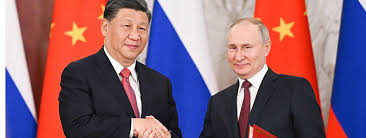
Navigating the geopolitical shifts driven by Indo-Russian and Sino-Russian partnerships requires NATO to adopt a nuanced approach that balances deterrence with dialogue, cooperation, and strategic engagements with regional stakeholders. The alliance’s proactive engagement with Indo-Pacific partners and its commitment to upholding democratic values and international norms remain critical in shaping global security architectures and countering authoritarian influences.

As NATO commemorates its 75th anniversary, the alliance stands at a critical juncture in navigating complex geopolitical realities and emerging security challenges. The summit in Washington, D.C., reaffirms NATO’s enduring commitment to collective defense, unity among member states, and adaptation to evolving threats in an interconnected world. By fostering strategic partnerships, enhancing military capabilities, and upholding democratic values, NATO remains a vital force for international peace, stability, and prosperity in the 21st century.
visit arjasrikanth.in for more insights
 SOCIAL PERSPECTIVES