
Concrete Jungle: Unchecked Urbanization and the Devastating Impact on Delhi and Mumbai
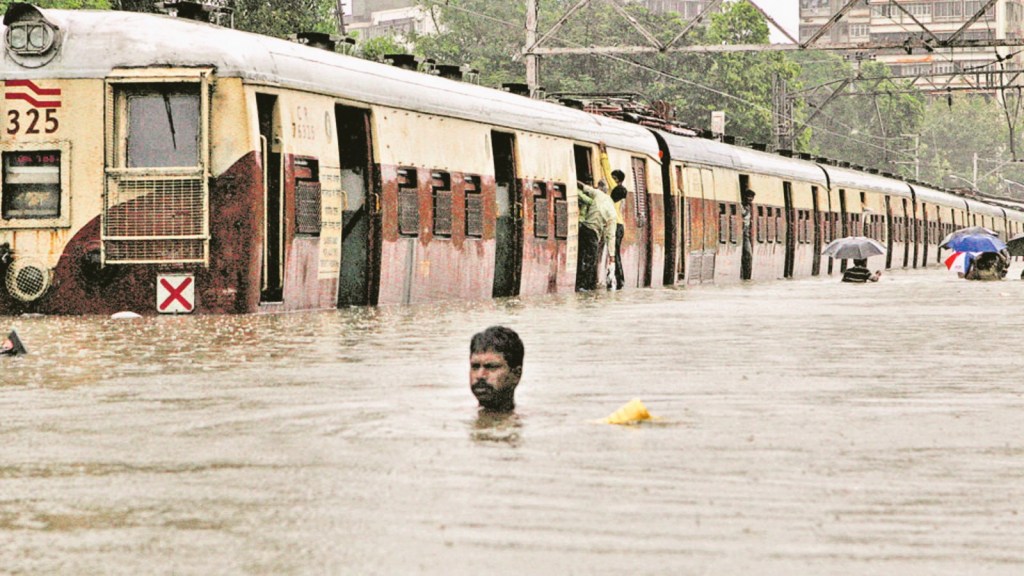
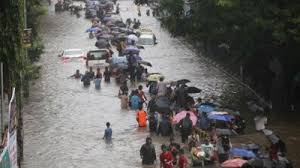
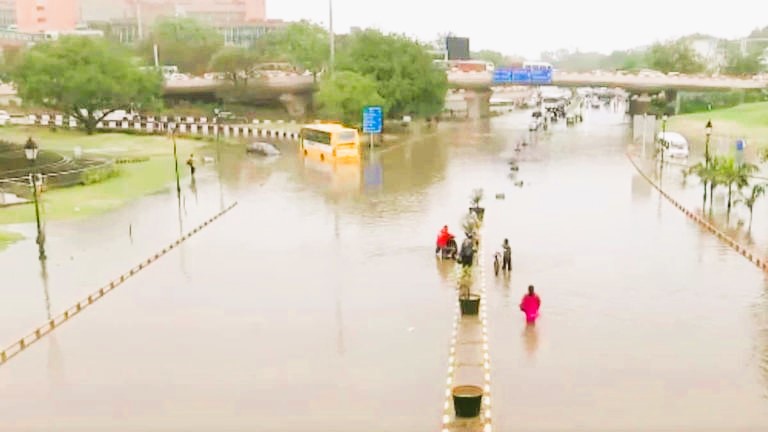
Recent heavy rains caused major havoc in Delhi, bringing the city to a complete standstill. The national capital experienced severe flooding, resulting in long traffic jams, waterlogging, extended power cuts, property damage, and even loss of life. Unfortunately, this is not an isolated incident; flooding has become a recurring problem in many metro cities across the country, including Mumbai, Chennai, Hyderabad . Heavy rains flooded roads and railway lines in Mumbai on Monday, 8July disrupting flights and closing schools and colleges. Over 300 mm of rain fell within six hours, causing significant traffic issues and submerging vehicles. These incidents underscore the man-made nature of these disasters, as unchecked urbanization and excessive concretization have left Mother Nature to take her own course, disregarding human irresponsibility. Annual monsoon rains have led to widespread flooding in other regions, including Bihar, where 12 people were killed, and Assam, where floods have affected over 2 million people and drowned six rare rhinos. Flooding also impacted 31 villages in Uttar Pradesh, highlighting the severe consequences of neglecting sustainable urban planning and environmental preservation.
Delhi recently experienced unprecedented heavy rainfall, the highest recorded in years for the month of June, according to the Indian Meteorological Department. However, the city’s severe flooding cannot be attributed solely to this excessive rain. The primary culprits are uncontrolled and unplanned urban expansion and the widespread use of concrete, which hinders the natural absorption of rainwater. Delhi received 228 mm of rainfall within 24 hours, the highest since 1936, which accounted for 25% of the city’s total monsoon rainfall. This sudden deluge followed weeks of extreme heat, with temperatures nearing 50 degrees Celsius. The rapid shift from intense heat to heavy rain caused severe water-logging and chaos across the capital. The situation underscores how unchecked urbanization and concrete-dominated infrastructure have left the city vulnerable to such weather extremes. This recent event transformed a momentary relief from the heat into widespread disruption, illustrating the urgent need for sustainable urban planning to address both water crises and flooding in Delhi.
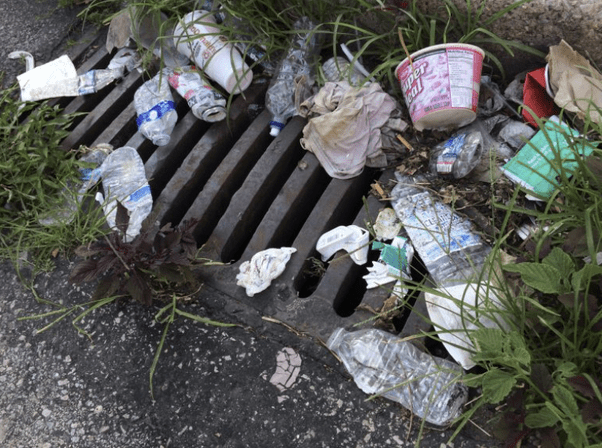
Concrete, which covers roads and inhibits the natural absorption of rainwater, significantly contributes to the flooding of cities like Delhi. Previously, the soft soil along the roads and in residential areas would absorb rainwater, preventing water accumulation. However, with the widespread use of concrete, these areas have lost their ability to absorb water, leading to increased flooding. Additionally, the improper disposal of solid waste, including plastic, into drains further exacerbates the problem by blocking the drainage system. Concrete, being a non-porous material, prevents rainwater from seeping into the ground, causing flash floods during heavy downpours as the rainwater has nowhere to go but into drains, which often become overloaded. This can lead to infrastructure damage and the transport of pollutants and biological contaminants into waterways. In contrast, permeable concrete can mitigate flooding by allowing rainwater to percolate into the ground, reducing the heat island effect, enhancing groundwater recharge, and supporting urban biodiversity. Its ability to manage stormwater effectively while promoting environmental health makes permeable concrete a valuable material for sustainable urban planning. Incorporating permeable concrete in city infrastructure can significantly reduce the risks and impacts of urban flooding, demonstrating the need for a shift in how urban spaces are constructed and maintained.
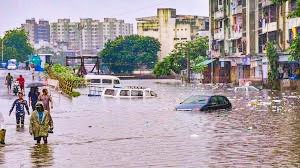
Rapid urbanization is a significant factor contributing to the flooding crisis in cities like Delhi. As concrete structures replace natural water channels, the flow of rainwater is severely disrupted. Previously, rainwater would flow into water bodies and channels, such as the Yamuna River, but now these have become waste-filled drains due to poor waste management practices. The conversion of water bodies into garbage dumps and the expansion of the National Capital Region (NCR) have further aggravated the situation. Rapid urbanization without proper planning has led to the construction of buildings, roads, and other infrastructure without considering their impact on the natural drainage system, hindering the flow of water and causing flooding. Effective urban planning and the implementation of urban drainage systems are essential to mitigate urban flooding. These systems transport stormwater away from streets and businesses into appropriate storage and drainage areas, helping manage stormwater effectively.
To address urban flooding in metro cities, sustainable approaches must be adopted. Firstly, individuals should avoid covering lawns with tiles or concrete, allowing for natural water absorption and groundwater recharge. Filtration pits and comprehensive water resource planning should be implemented during city master planning to manage rainwater effectively. Sustainable solutions like green infrastructure, geospatial technology, flood governance, and stormwater management are crucial. Green infrastructure, including green roofs, rain gardens, and permeable pavements, can absorb rainwater and reduce runoff. Geospatial technology assists in mapping flood-prone areas for better planning, while flood governance involves creating policies to manage land use in vulnerable areas. Advanced stormwater management systems, such as retention basins or small reservoirs, safely collect and retain rainwater, thereby reducing flooding risks. River and floodplain restoration enhance natural water absorption and storage, while natural solutions like leaky woody dams and tree planting further support flood mitigation. Creating basins or reservoirs within urban areas can also provide public spaces designed to flood safely, thereby minimizing damage. These combined efforts, integrating technology, policy, and community action, can significantly mitigate urban flooding and build more resilient cities.
City planners and builders play a crucial role in mitigating the flood crisis. They should prioritize creating 3D maps that incorporate water resources and hydrological flows. This approach will ensure that buildings and infrastructure are designed in harmony with the environment, considering the natural flow of water. Unfortunately, the current focus on real estate development often overlooks these essential factors, leading to unsustainable urban expansion and increased flooding risks. Proper waste management practices should be enforced to ensure that drains and natural water channels remain unobstructed. Collaboration between city planners, environmental experts, and the community is essential to develop and implement effective flood mitigation strategies. Education and awareness campaigns can also help residents understand the importance of sustainable practices and encourage them to take individual actions to reduce the risk of flooding.
Ultimately, addressing the issue of flooding requires a collective effort from both the authorities and the public. Civic sense and responsible waste management are essential in keeping the drainage system clean and functional. Citizens must understand that the land they own is not just theirs but belongs to everyone, and they have a responsibility to protect and preserve it for future generations. Community involvement in environmental conservation initiatives, such as tree planting and clean-up drives, can foster a sense of ownership and responsibility towards the environment. Governments should also incentivize the adoption of green infrastructure and sustainable practices through subsidies and tax benefits. By working together, authorities and citizens can create a more sustainable and resilient urban environment, capable of withstanding the challenges posed by heavy rainfall and flooding.
The recent floods in Delhi and Mumbai serve as a wake-up call, highlighting the dire consequences of neglecting Mother Earth and prioritizing unchecked urbanization. To prevent further disasters, it is imperative to strike a balance between development and environmental sustainability. By adopting sustainable practices, incorporating water resource planning, and fostering civic responsibility, we can ensure a safer and more resilient future for our cities. It’s time to acknowledge our role in the well-being of our planet and take necessary actions to protect and cherish Mother Earth. The integration of innovative technologies, community engagement, and policy reforms is crucial in addressing the complex challenges of urban flooding. By embracing a holistic approach to urban planning and environmental conservation, we can create cities that are not only prosperous but also sustainable and resilient. Let us commit to building a future where development and nature coexist harmoniously, ensuring a better quality of life for generations to come.
visit arjasrikanth.in for more insights
 SOCIAL PERSPECTIVES