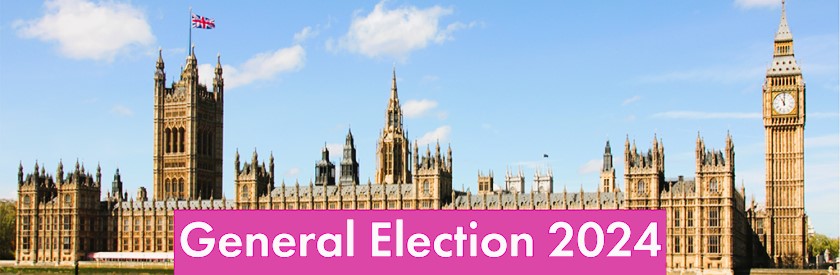
On a Peaceful Night, Power Shifts Hands in less than 30 Hours , in Britain’s Exemplary Election
The streets of London were silent on the night of July 4th, 2024, save for the gentle hum of anticipation. As the clock struck 10 pm, the voting booths across the United Kingdom closed, and the count began. In a nation of over 67 million people, the outcome of this general election would shape the country’s future, yet there was an air of calm assurance that pervaded the proceedings.
Unlike the raucous, divisive spectacles that have marred democratic transitions in other parts of the world, Britain’s electoral process unfolded with a quiet dignity that left onlookers in awe. There were no protests, no allegations of fraud, no attempts to overturn the will of the people. Instead, the British public watched as their cherished democratic institutions carried out their duty with precision and grace.

At 10:05 pm, the first exit poll projections were released, and by 11:15 pm, the first constituency had declared its results. The nation held its breath, but there were no signs of the partisan rancour that has become all too common in modern politics. Even as the night wore on and the results trickled in, the atmosphere remained one of respectful anticipation.
Then, in the early hours of the morning, a twist emerged. One constituency reported extremely close results, prompting a full recount. As the clock struck 2:57 am, the recount remained inconclusive, and a second recount was ordered. Yet, throughout this tense moment, there was no grandstanding, no accusations of foul play. The process unfolded with a steady, methodical pace that reinforced the strength of Britain’s democratic institutions.

At 3:45 am, with more than 160 seats declared, the official forecasts were published, and the path forward became clear. By 4:10 am, the second recount had concluded, and the result was validated. In a display of true statesmanship, the losing local candidate graciously congratulated the victor, stating, “Democracy is never wrong” and wishing them luck.
The final act of this democratic drama unfolded at 4:59 am, when the outgoing Prime Minister, Rishi Sunak, conceded defeat. In a speech that resonated with humility and appreciation for the will of the people, Sunak expressed his gratitude to his constituents and congratulated his opponent, Sir Keir Starmer, on his victory. “Today, power will change hands in a peaceful and orderly manner, with goodwill on all sides,” Sunak declared, underscoring the core values of British democracy.

The transition of power was swift and seamless. At 9:29 am, the outgoing Chancellor left Downing Street, and at 10:41 am, Sunak made his farewell speech, paying tribute to the winner and indicating his intention to resign as Conservative leader. By 10:48 am, the former Prime Minister had departed Downing Street for the last time, arriving at Buckingham Palace to tender his resignation to King Charles III.
At 11:58 am, the election winner, Sir Keir Starmer, arrived at the Palace, where he was formally invited to form a government and become the new Prime Minister. Just 19 minutes later, Starmer was officially confirmed in the role, and by 12:40 pm, he had arrived at Downing Street to deliver his first speech as the country’s leader.

The entire process, from the opening of the polls to the new Prime Minister taking office, had unfolded in just 29 hours and 54 minutes – a testament to the efficiency and resilience of Britain’s democratic system.
What was most striking, however, was the absence of the chaos, vitriol, and partisan bickering that have become all too common in other parts of the world. There were no riots, no fighting, no name-calling, and no threats. The losing candidate gracefully accepted the result, and the winner paid tribute to his opponent, pledging to govern for all the people.
This peaceful, dignified transition of power stands in stark contrast to the divisive and often violent scenes that have marred democratic transitions elsewhere. In the United States, the 2020 election was followed by an unprecedented assault on the Capitol, fuelled by baseless claims of voter fraud. In other nations, the peaceful handover of power has become the exception rather than the rule, with leaders clinging to power and supporters resorting to violence to keep their favoured candidates in office.
But in Britain, the 2024 general election served as a powerful reminder of the resilience and enduring strength of democracy. It was a testament to the maturity and civic-mindedness of the British electorate, and a shining example of how democratic institutions can uphold the will of the people, even in the face of close and hotly contested results.
“The British people have delivered a sobering verdict tonight,” Sunak acknowledged in his concession speech. “There is much to learn and reflect on, and I take responsibility for this loss.” This level of humility and accountability from a departing leader is a rarity in an age where politicians often resort to blame-shifting and finger-pointing when faced with defeat.

The smooth and orderly transition of power in Britain stands as a beacon of hope in a world where democracy is increasingly under siege. It serves as a reminder that, even in the face of deep political divisions, a commitment to democratic norms and institutions can prevail, and that the peaceful transfer of power is the hallmark of a mature and stable democracy.
As the world watches, Britain has demonstrated that democracy is not just a lofty ideal, but a living, breathing system that can withstand the test of time. The 2024 general election has shown that, when the will of the people is respected, and when leaders put the interests of the nation above their own, democracy can thrive and flourish.
In a time of global uncertainty and the rise of authoritarian tendencies, the United Kingdom has once again proven itself to be a bastion of democratic values. The quiet transition of power on that July night in 2024 is a testament to the strength and resilience of the British people, and a shining example for the rest of the world to follow.

The 2024 UK general election exemplified democracy’s resilience with its peaceful transfer of power amidst closely contested results, standing as a beacon of stability in an era of democratic challenges. Britain’s unwavering commitment to democratic principles, respect for popular sovereignty, and statesmanship was evident throughout the orderly electoral process. Unlike tumultuous transitions elsewhere, the UK’s election was characterized by civility and procedural integrity, reaffirming its robust democratic foundations. Globally noted for its exemplary management, the election underscored democracy’s adaptability and endurance. It set a new standard for democratic transitions, reinforcing Britain’s role as a bastion of democratic strength amid global authoritarian trends. Amid global uncertainties, the UK’s smooth transfer of leadership showcased democracy’s ability to flourish, emphasizing the importance of orderly transitions in maintaining a mature and stable democratic framework. The 2024 election thus stands as a pivotal moment in the global quest to uphold and strengthen democratic governance worldwide.
visit arjasrikanth.in for more insights
 SOCIAL PERSPECTIVES