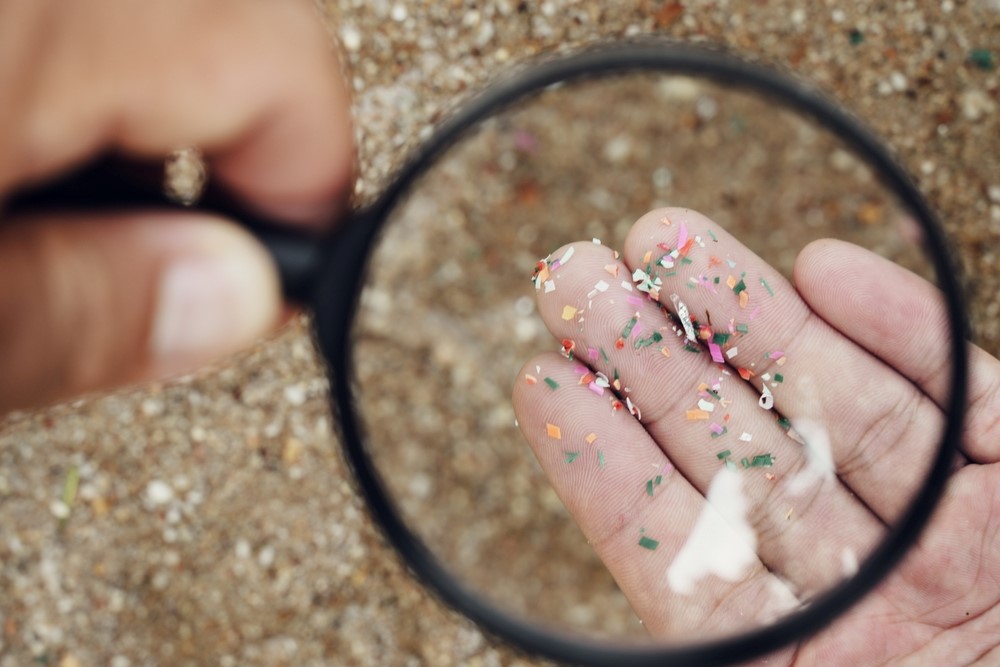
The Invisible Menace: Unveiling the Microplastics Crisis
Microplastics, tiny plastic particles, pose a significant threat to both the environment and human health. These particles are not just widespread but also carry harmful chemicals and can cause various health issues. This comprehensive overview highlights the multifaceted impact of microplastics, from their entry into our bodies to their effects on ecosystems. Initially discovered in the ocean, these minuscule particles have since been identified in various environments, including food, water, and even the air we breathe. This pervasive presence raises significant concerns about the potential health implications for humans and the environment.

Microplastics have infiltrated our daily lives to an astonishing degree. Experts explain that these particles are released from various sources we interact with every day. For instance, when we prepare a smoothie using plastic containers, microplastics can be released into the beverage and, consequently, into our bodies. This exposure is nearly unavoidable, as microplastics are also present in the air, resulting from the shedding of plastic materials from everyday items such as containers, cars, and synthetic clothing. They originate from two primary sources: primary microplastics, which are intentionally manufactured at small sizes, and secondary microplastics, which result from the breakdown of larger plastic items. These particles can be found in oceans, rivers, soil, and even in the air we breathe. Their pervasive presence is largely due to the durability and extensive use of plastic in modern society. They are released from synthetic clothing during wear and wash, emitted from car tires and interiors, and even degrade from larger plastic items exposed to sunlight and environmental factors. This degradation process reduces plastics to ever-smaller pieces, including nano plastics, which are even more minute and pervasive than microplastics.

Microplastics can enter the human body through various routes, including ingestion, inhalation, and skin contact. They contaminate food and water supplies; for example, studies estimate that the average adult consumes about 2,000 microplastic particles per year through salt alone. Microplastics have even been found in the placentas of pregnant women, indicating their deep infiltration into biological systems. Nano plastics, defined as particles significantly smaller than microplastics, often measuring about one-seventieth the width of a human hair, present a more insidious threat due to their size. These particles can penetrate biological tissues more easily, potentially causing greater harm. Recent scientific advancements have enabled the detection of nano plastics in water and human tissues, signalling an increased need for research on their effects.
Microplastics are carriers of toxic chemicals such as heavy metals, pesticides, and polychlorinated biphenyls (PCBs). When ingested or inhaled, these chemicals can lead to numerous health problems. Chemicals in microplastics can disrupt hormonal functions, affecting reproductive health and development. Exposure can lead to conditions such as insulin resistance and obesity. Some chemicals in microplastics are known carcinogens. Microplastics can cause oxidative stress, DNA damage, and chronic toxicity at the cellular level, leading to various organ dysfunctions. They can trigger inflammatory responses and immune system dysfunctions. Microplastics have been linked to neurotoxic effects, potentially impacting brain health. Epidemiological studies suggest a correlation between microplastic exposure and chronic diseases such as cardiovascular disease, diabetes, and inflammatory conditions. The exact mechanisms are still being studied, but the potential for harm is clear. The health risks associated with microplastics stem from their chemical composition. Different types of plastic polymers, combined with various chemical additives used to enhance properties like flexibility and flame resistance, complicate the assessment of their health impacts. These additives can introduce a wide range of chemical compounds into the body, each with its own potential effects. There is growing evidence that the presence of microplastics in the human body is linked to various health issues. For instance, individuals with irritable bowel syndrome have been found to have higher concentrations of microplastics in their digestive tracts. Additionally, microplastics in arteries may increase the risk of heart disease. While these findings are compelling, more research is needed to establish definitive causal relationships.

Microplastics also have severe effects on the environment, particularly in marine ecosystems where they were first discovered. They can cause premature death in marine life and disrupt entire ecosystems already under threat from climate change and other environmental stressors. Microplastics have a devastating impact on marine and terrestrial ecosystems. Microplastics cause genetic damage to marine organisms. They can absorb toxic chemicals like polycyclic aromatic hydrocarbons (PAHs), which cause immunotoxicity, neurotoxicity, and genotoxicity. These particles also cause premature death in marine animals, disrupting entire ecosystems. Land animals are also affected, often ingesting plastic particles that lead to health issues and death. Microplastics in soil can alter its fertility, affecting plant growth by hindering root development and nutrient uptake. They can also impair soil microorganisms’ activities, which are crucial for maintaining soil health. Even compost can be contaminated with microplastics, which do not biodegrade and can be ingested by living organisms, perpetuating the cycle of contamination.
Plastic production has skyrocketed from 2 million tons in the 1950s to over 400 million tons annually today. This increase has led to a corresponding rise in microplastic pollution. Microplastics are now found in virtually every environment on Earth, from the deepest oceans to the highest mountains, and even in human bodies. Researchers face significant challenges in studying the impacts of microplastics. The sheer variety of plastics and additives, each with distinct chemical behaviors, makes it difficult to determine their combined effects on human health. This complexity is akin to solving a convoluted math problem with countless variables, each potentially interacting in different ways. Microplastics encompass a wide variety of plastic polymers and chemical additives, each with distinct properties and potential health impacts. These additives can include endocrine disruptors like bisphenol A (BPA) and other chemicals that might affect reproductive health and potentially lead to cancers. However, the exact quantity of chemicals released by microplastics within the human body and their long-term health effects remain uncertain. Scientists are working to determine how long these particles stay in our organs and their overall impact on our health. This vast amount of plastic is not only persistent in the environment but also increasingly fragmenting into microplastics and nano plastics, which are even smaller and potentially more harmful due to their ability to infiltrate biological tissues more easily.

The plastic and fossil fuel industries play crucial roles in the proliferation of microplastics. As the demand for fossil fuels declines, these industries see plastic production as a profitable alternative. Despite the growing evidence of the harm caused by microplastics, industry groups often call for more research before implementing regulations. They argue that the full extent of microplastic impact is not yet known, which delays regulatory action. However, some regions are beginning to take steps toward regulation. California, for instance, is exploring limits on microplastics in tap water. Despite these efforts, there are no comprehensive global regulations on microplastics in air, food, or water. The plastic and fossil fuel industries play significant roles in the proliferation of plastics. Plastic production is tied to petrochemicals, and as the demand for fossil fuels declines, companies see plastics as a lucrative alternative. The industry often cites the need for more research to understand the full impact of microplastics, investing millions into scientific studies while cautioning against premature regulation. However, scientists argue that the time to start regulating microplastics is now, to prevent further harm while continuing to study their effects.
While systemic changes are necessary to tackle the microplastics problem effectively, individuals can also take steps to reduce their exposure. Minimize the use of plastic bottles, utensils, and containers. Choose clothing and textiles made from organic materials instead of synthetic fibres. Heating food in plastic containers can cause microplastics to leach into the food. Shellfish often contain high levels of microplastics. Using filters on washing machines can reduce the release of microfibers from synthetic fabrics. Regular dusting and vacuuming can reduce the amount of airborne microplastics in the home.

The field of microplastics research is relatively new but has already made significant discoveries. Scientists have found microplastics in various parts of the human body and linked them to numerous health issues. This research is crucial for informing regulatory actions and public health recommendations. As the detection methods for nanoplastics improve, the scientific community is poised to gain a deeper understanding of the presence and effects of these particles. Future research will likely reveal more about how microplastics and nanoplastics influence human health and the environment, leading to better strategies for mitigating their impact. As the understanding of microplastics grows, so does the need for comprehensive regulations to protect both human health and the environment. Policymakers must balance the economic interests of the plastic industry with the urgent need to address the pollution crisis. Individuals can take steps to reduce their exposure to microplastics. Avoiding single-use plastics, such as bottled water and plastic utensils, and minimizing the use of synthetic materials are practical measures. Additionally, avoiding microwaving food in plastic containers can reduce the leaching of microplastics into food. Despite the daunting nature of the microplastics problem, significant strides have been made in understanding their presence and effects. The field of microplastics research is relatively new, yet scientists have already found these particles in various parts of the body and are beginning to link them to health problems. This progress is encouraging, but also highlights the need for continued research and increased regulatory action to mitigate the risks associated with microplastics.

Microplastics, tiny plastic particles, pose significant threats to both the environment and human health by carrying harmful chemicals and infiltrating our daily lives. Originating from manufactured small plastics and the breakdown of larger plastics, these particles are found in oceans, rivers, soil, food, water, and air. Humans ingest, inhale, and absorb microplastics, leading to health issues such as hormonal disruptions, organ dysfunctions, and increased risks of cardiovascular disease and diabetes. Microplastics disrupt ecosystems, causing genetic damage and premature death in marine and terrestrial animals, and impacting soil health and plant growth. The persistence and extensive use of plastics have led to a significant rise in microplastic pollution, presenting complex challenges for researchers. Industries producing plastics and fossil fuels contribute to this proliferation and often delay regulation by calling for more research. While systemic changes are crucial, individuals can reduce exposure by minimizing plastic use, choosing organic textiles, and avoiding heating food in plastic containers. Combining individual actions, scientific advancements, and regulatory measures is essential to mitigate the impact of microplastics and protect future generations.
visit arjasrikanth.in for more insights
 SOCIAL PERSPECTIVES