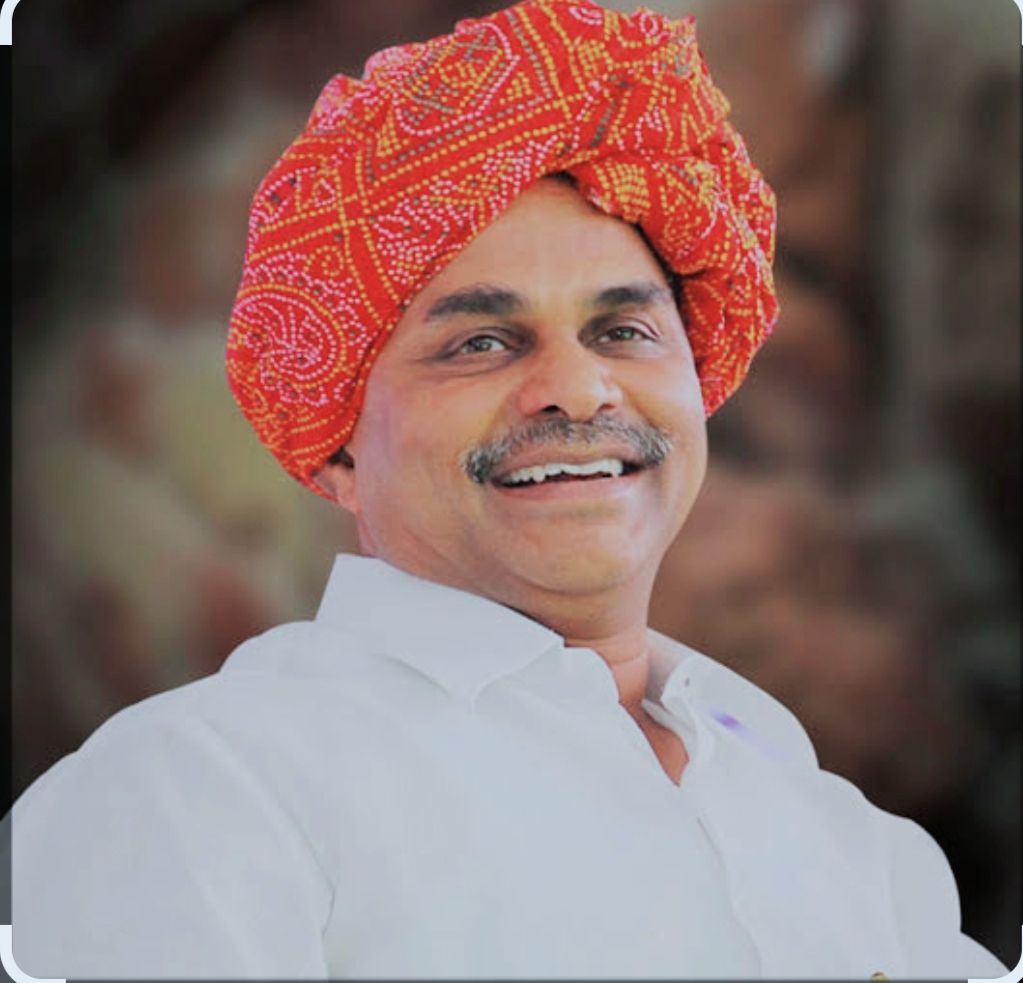
YSR: A Visionary Leader’s Enduring Legacy in Andhra Pradesh
Yeduguri Sandinti Rajasekhara Reddy, commonly known as YSR, remains an iconic figure in Indian politics, particularly in the state of Andhra Pradesh. Born on July 8, 1949, in Pulivendula, Kadapa district, YSR’s political journey is a testament to his relentless commitment to public service, and his tenure as the Chief Minister from 2004 until his untimely death in a helicopter crash in 2009 marked a transformative era for the state. YSR’s political career began with his election to the Andhra Pradesh Legislative Assembly in 1978. By the time he became Chief Minister, he had already established himself as a dedicated representative of the people, known for his outreach and connection with the grassroots. His political ideology was grounded in social justice, which became evident through the various welfare schemes and policies he championed.
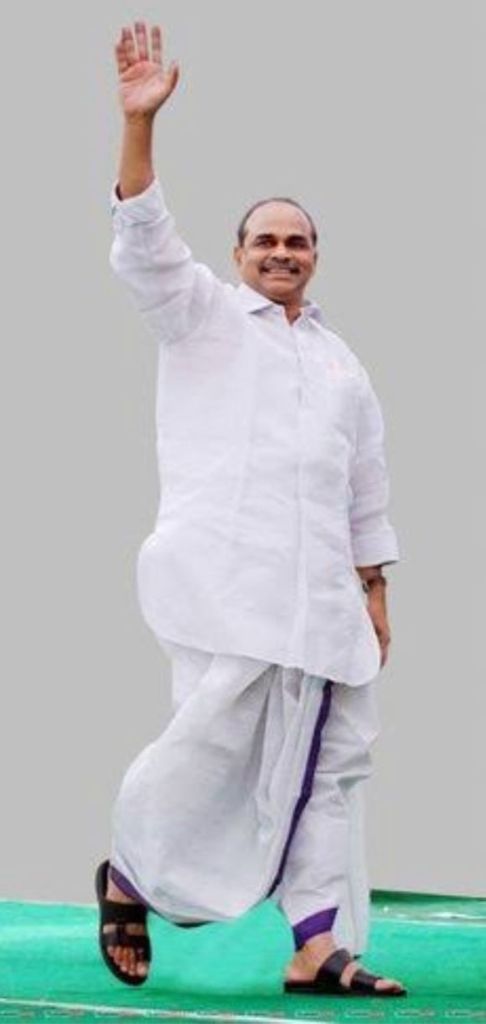
A hallmark of YSR’s administration was its focus on Welfare Schemes, designed to uplift the underprivileged sections of society. Among these, the Aarogyasri health insurance scheme stands out as a remarkable initiative. Aarogyasri aimed to provide health insurance to the poor, enabling them to access advanced medical care, including surgeries and treatments that were otherwise unaffordable. This scheme significantly reduced the financial burden on low-income families and enhanced the overall healthcare landscape of the state.
Another pioneering scheme introduced by YSR was the Indiramma Illu, which focused on providing housing for the rural poor. Under this initiative, numerous houses were constructed, ensuring safe and secure accommodation for people who had been living in substandard conditions. This move not only improved the living standards of the rural poor but also contributed to their social dignity and economic stability.

YSR’s commitment to education was also notable. He introduced the fee reimbursement scheme for students from economically disadvantaged backgrounds, which allowed countless students to pursue higher education without the burden of financial constraints. This initiative democratized access to education, creating new opportunities for the youth and propelling socio-economic mobility within the state. The leader’s deep connection with the people set him apart. YSR had an extraordinary ability to empathize with the common folk, which was evident in his interactions, policies, and overall approach to governance. His charismatic leadership style, combined with his nurturing and empathetic nature, earned him the admiration and affection of millions. People often referred to him as ‘Jananetha,’ a leader of the masses, indicative of how deeply he resonated with the population he served.
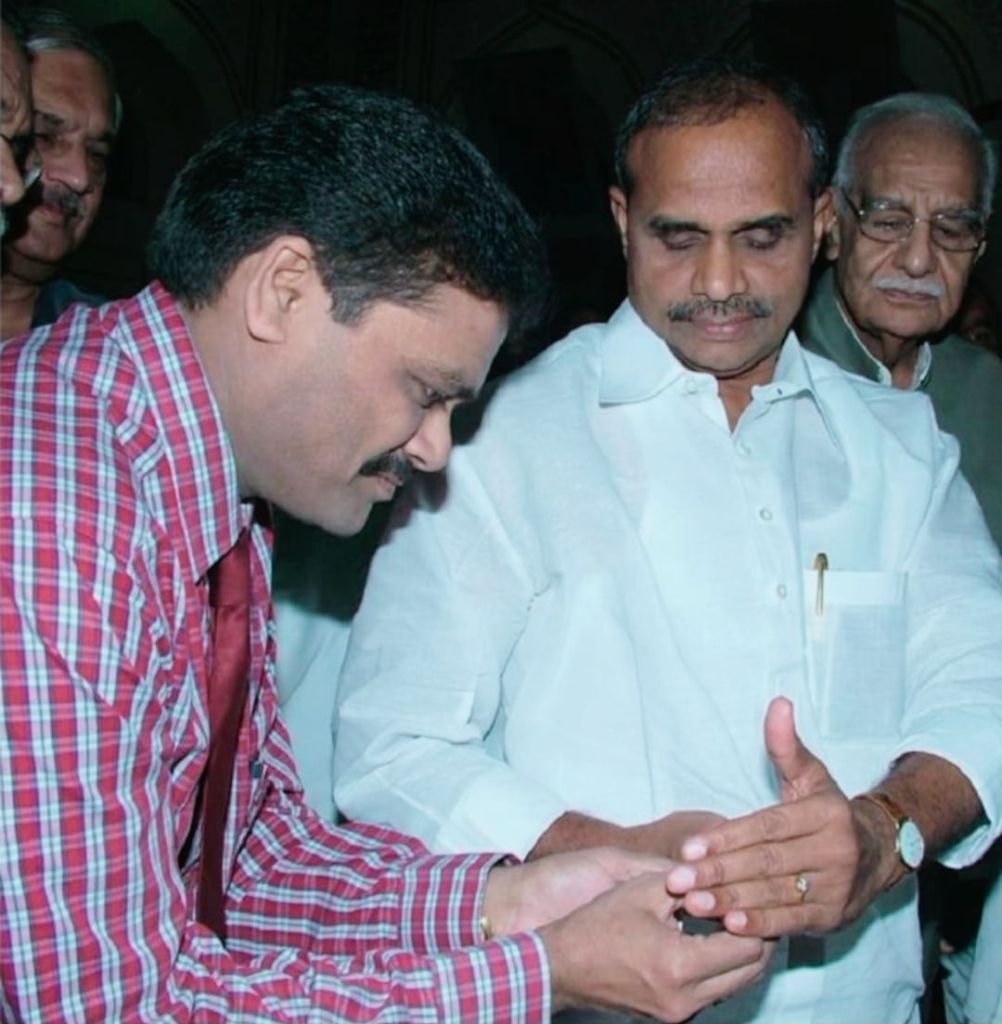
YSR’s tenure was also characterized by significant infrastructural development. He understood that for sustainable growth, it was imperative to build and improve the state’s infrastructure. Investing heavily in irrigation projects, he launched the Jalayagnam initiative, aimed at constructing new irrigation projects and expediting the completion of existing ones. This initiative sought to address water scarcity issues and support agricultural development, which was the backbone of Andhra Pradesh’s economy. By ensuring reliable water supply for irrigation, YSR helped secure the livelihoods of thousands of farmers and stabilized food production in the region. In addition to agricultural infrastructure, YSR prioritised the development of roads, bridges, and public transportation systems, facilitating better connectivity within the state. This, in turn, boosted trade, mobility, and access to education and healthcare services, further lifting the economic profile of the state.
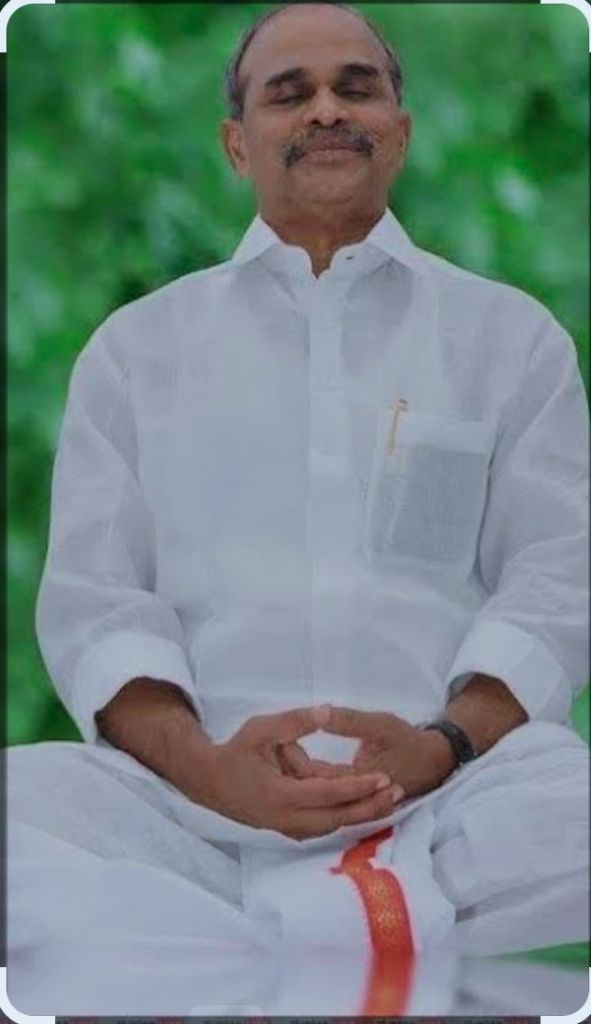
YSR’s political acumen was another factor that distinguished his leadership. Navigating the intricate and often volatile landscape of Andhra Pradesh politics, He managed to build strategic alliances and mitigate rivalries effectively. This political dexterity ensured that his administration could implement its agenda without significant impediments, focusing on the state’s development rather than getting bogged down by political conflicts. Despite his untimely death, YSR’s legacy continues to influence the political ethos of Andhra Pradesh. His policies set a benchmark for welfare-oriented governance, placing people’s welfare at the core of administrative strategy. The programs he initiated continue to benefit millions, and his approach to inclusive development remains a model for contemporary leaders.
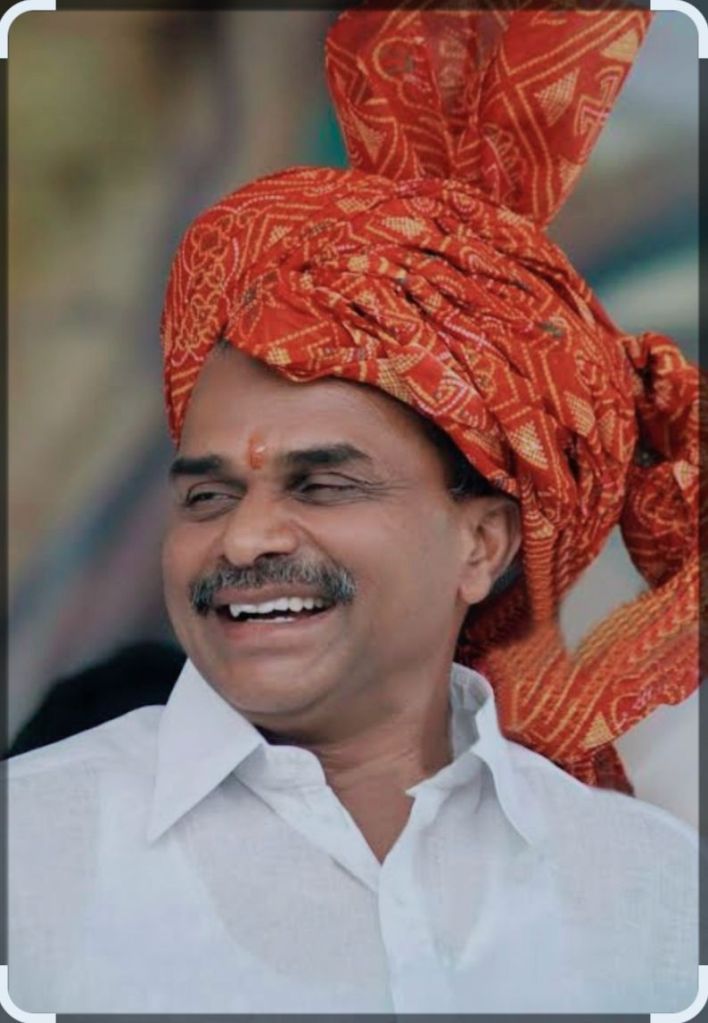
For instance, the scheme for free electricity to farmers was a game-changer, significantly easing the economic burden on farmers and fostering agricultural productivity. This not only helped in increasing the yield but also contributed to stabilizing the financial status of the agricultural community, thereby promoting rural prosperity.
YSR’s introduction of 108 emergency ambulance services revolutionized emergency healthcare access. Before this initiative, many rural areas had limited access to timely medical help. The 108 service extended emergency medical support to even the remotest parts of the state, saving countless lives and demonstrating YSR’s commitment to healthcare accessibility. The respect and love YSR garnered from the people of Andhra Pradesh and Telangana are indicative of the profound impact of his policies. Nevertheless, his legacy survives through the ongoing benefits of his welfare schemes and the inspiration he continues to provide to future leaders.
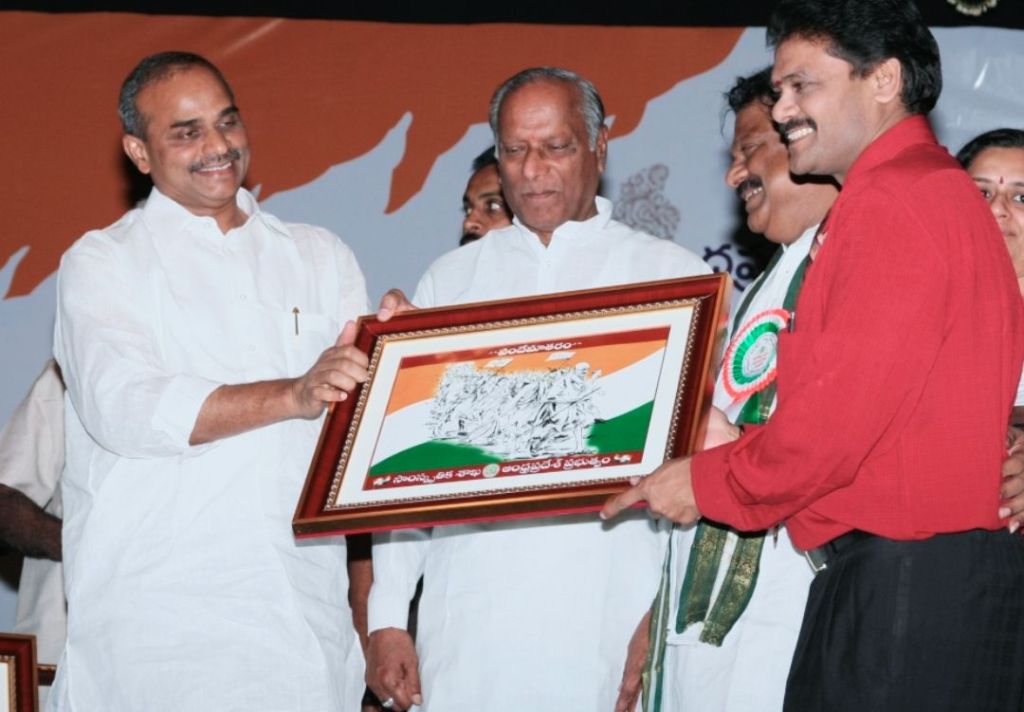
YSR’s leadership journey is instructional in understanding the core values that make a leader truly beloved. His governance model, marked by empathy, proactive development, and astute political strategy, provides valuable insights for policymakers and leaders aiming to create a just and equitable society. By prioritizing the welfare of the poor and marginalized, YSR not only transformed the socio-economic landscape of Andhra Pradesh but also set a precedent for people-centric governance. His life and career offer rich lessons on the importance of inclusive development, the impact of robust welfare schemes, and the power of genuine connectivity with the people. Perhaps, what sets YSR apart in the annals of political leadership is his deep-rooted belief that governance should fundamentally be about serving the people, especially those in need.
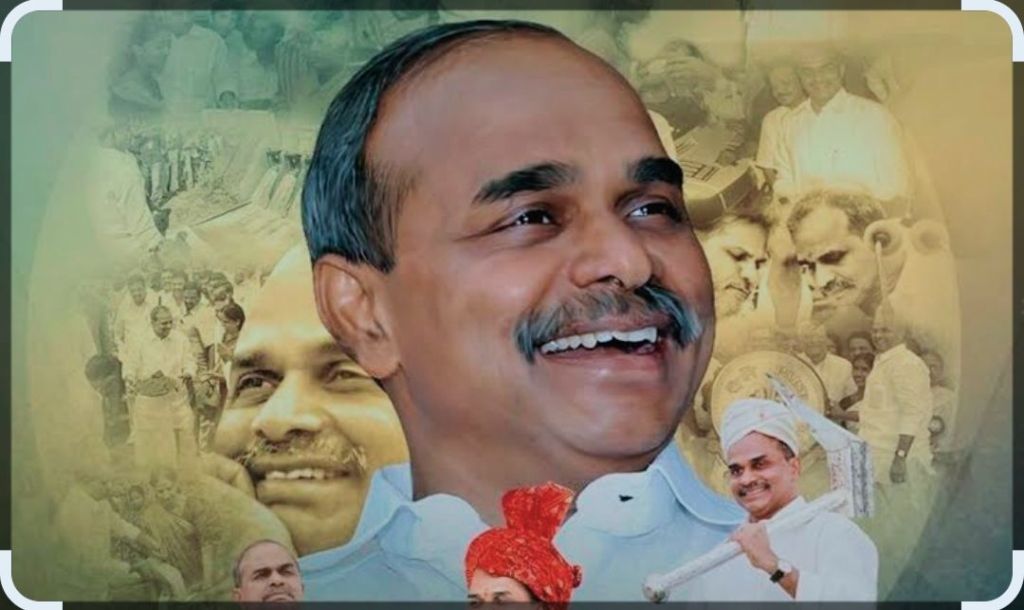
As Andhra Pradesh continues to evolve, the seeds planted by YSR’s policies flourish, underscoring the enduring relevance of his vision. Future leaders can learn immensely from his approach—embracing empathy, focusing on inclusive growth, and blending visionary development projects with practical solutions tailored to benefit the common man. It is this unique blend of heartfelt compassion and strategic foresight that has immortalized Yeduguri Sandinti Rajasekhara Reddy in the hearts and minds of people in Andhra Pradesh and beyond. His legacy is not merely one of policies and programs but a profound demonstration of how true leadership can inspire, transform, and elevate an entire society.
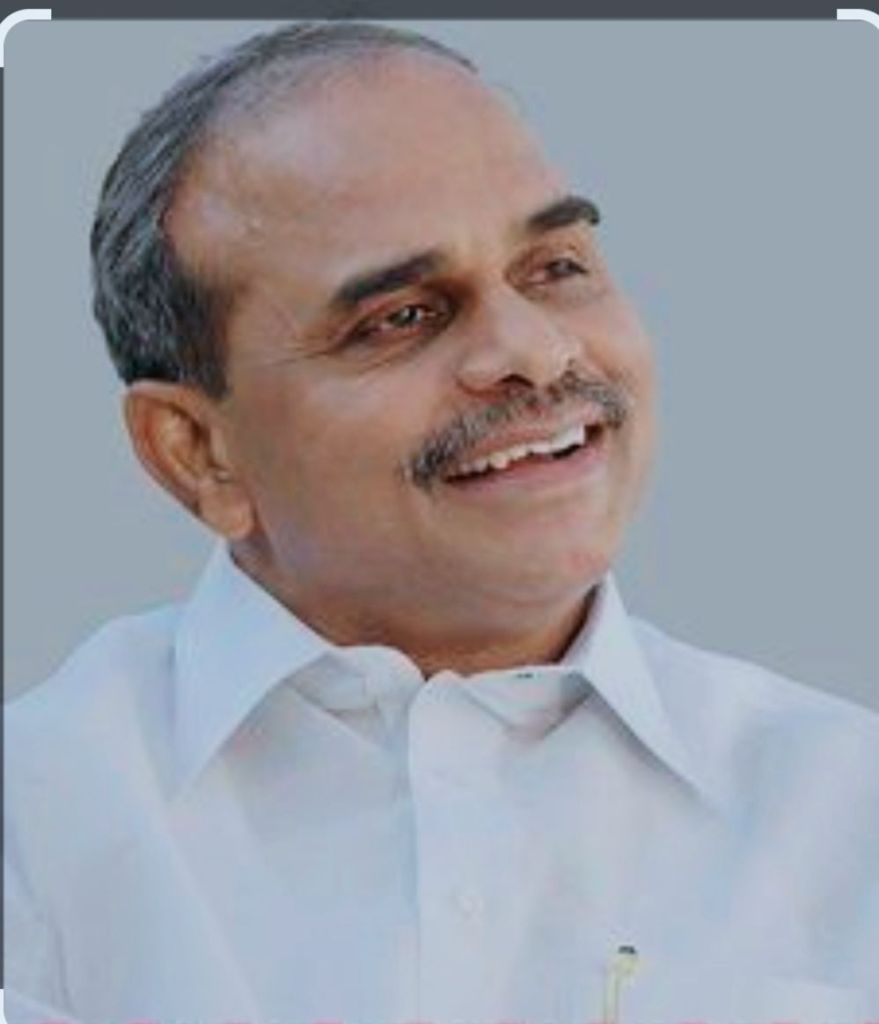
In conclusion, Yeduguri Sandinti Rajasekhara Reddy, affectionately known as YSR, holds a revered place in Indian politics, particularly in Andhra Pradesh. Born on 8 July , YSR’s career combined visionary leadership, deep empathy, and a steadfast commitment to public welfare. As Chief Minister from 2004 to 2009, he launched transformative welfare schemes like Aarogyasri health insurance and the Indiramma Illu housing program, substantially improving living conditions for the marginalized. His educational reforms, including fee reimbursement, made higher education accessible to economically disadvantaged students. YSR’s charismatic personality and genuine care for the commonfolk earned him the title “Jananetha,” or leader of the people. His administration also saw significant infrastructural advancements through ambitious projects like Jalayagnam, which enhanced agricultural productivity and supported farmers. His adept political navigation ensured these initiatives were effectively executed, setting a high standard for governance. YSR’s legacy of empathetic governance and sustainable development continues to shape contemporary policies. His model of inclusive and transformative leadership remains a guiding beacon, inspiring future leaders to prioritize public welfare, ensuring his impact endures well beyond his tenure.
Visit arjasrikanth.in for more insights
 SOCIAL PERSPECTIVES