
Navigating the Complex Path to Sustainable Transportation
India stands at a pivotal moment in its transportation history, driven by a visionary goal set by Transport Minister Nitin Gadkari to phase out petrol and diesel vehicles by 2034 in favour of electric vehicles (EVs). This ambitious plan aims not only to reduce carbon emissions but also to align with global climate objectives and enhance energy security. However, beneath the surface of this green transition lies a labyrinth of challenges that could potentially derail India’s environmental and economic aspirations.

Electric vehicles (EVs) represent a promising solution to mitigate the environmental impact of traditional internal combustion engine vehicles. By eliminating tailpipe emissions, EVs significantly reduce local air pollution, particularly in congested urban areas. For instance, the Tata Nexon EV Max exemplifies the potential of EVs with its 40.5 kWh battery capable of covering 276 kilometers on a single charge, emitting zero CO2 during operation compared to its fossil fuel counterparts.

Despite their promise of zero tailpipe emissions, the environmental impact of EVs extends to the electricity used for charging, primarily sourced from India’s coal-heavy energy mix. Charging the Tata Nexon EV Max requires approximately 50 kWh of electricity, equivalent to about 26.7 kg of coal. This indirect carbon footprint is nearly 2.5 times higher per kilometre than that of petrol or diesel vehicles. The significant electricity demand highlights the urgent need for a transition to cleaner energy sources. Without robust integration of renewable energy, India risks exacerbating its carbon footprint despite EV adoption.

India’s energy landscape features promising but intermittent renewable sources such as solar (19%) and wind (10%), alongside dominant coal-based electricity (49%). While solar power generates electricity only during daylight hours and wind power fluctuates, the majority of EV charging occurs overnight. This mismatch underscores the need for significant investments in energy storage technologies and grid infrastructure. These investments are essential to harness the potential of renewable energy fully while reducing dependence on coal for EV charging.

India’s current power capacity of 444 GW falls short of projected demands driven by widespread EV adoption. To meet future charging needs, India plans to increase its grid capacity to 517 GW by 2032. However, achieving this expansion requires substantial investments in infrastructure, including transformers, transmission lines, and substations, to prevent overloads and grid failures. Recent incidents in Kerala highlight the urgent need to reinforce local grids against mounting pressures from EV charging demands.
Government subsidies and tax incentives have effectively spurred consumer interest in EVs by mitigating upfront costs and operational expenses. However, these incentives, combined with reduced GST and road taxes on EVs, present substantial revenue challenges for the government. The perceived affordability of EVs, particularly in terms of charging costs compared to fossil fuels, masks broader economic and environmental costs associated with heightened coal consumption and ongoing grid maintenance.
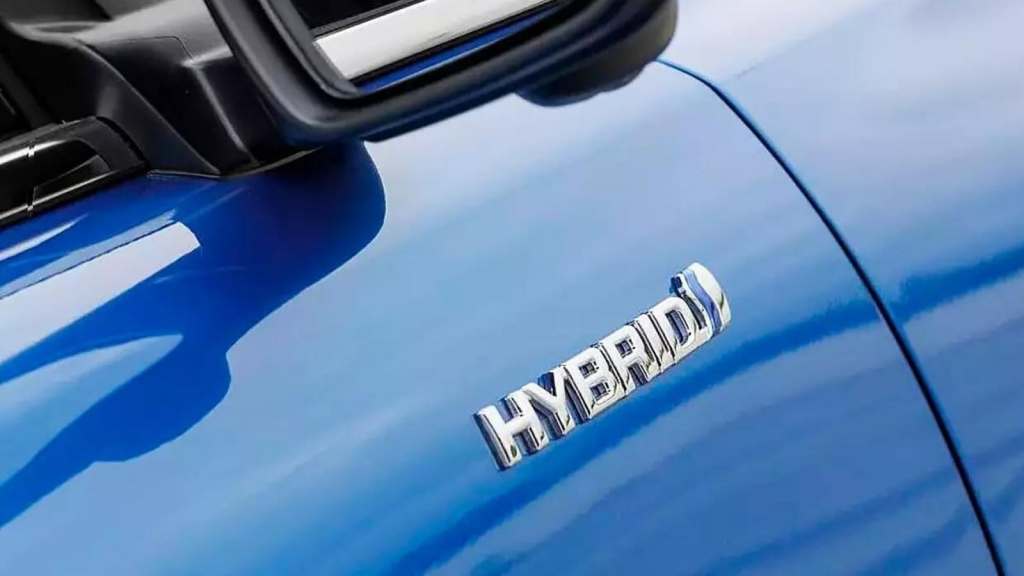
Recognizing the multifaceted challenges of transitioning exclusively to EVs, hybrid vehicles offer a pragmatic compromise. Combining internal combustion engines with electric motors, hybrids deliver superior fuel efficiency and lower emissions without requiring immediate and extensive grid overhauls. Policy support for hybrid adoption through reduced taxes and regulatory frameworks can bridge the gap between environmental objectives and infrastructural realities.
India’s steadfast march toward an all-electric future necessitates a critical review of its current policy trajectory. Rather than a unilateral focus on EVs, policymakers should embrace a balanced strategy that integrates hybrid technologies, bolsters renewable energy infrastructure, and fortifies the national grid against escalating electricity demands. This holistic approach not only mitigates environmental impacts but also safeguards against grid instability and economic vulnerabilities associated with rapid technological transitions.
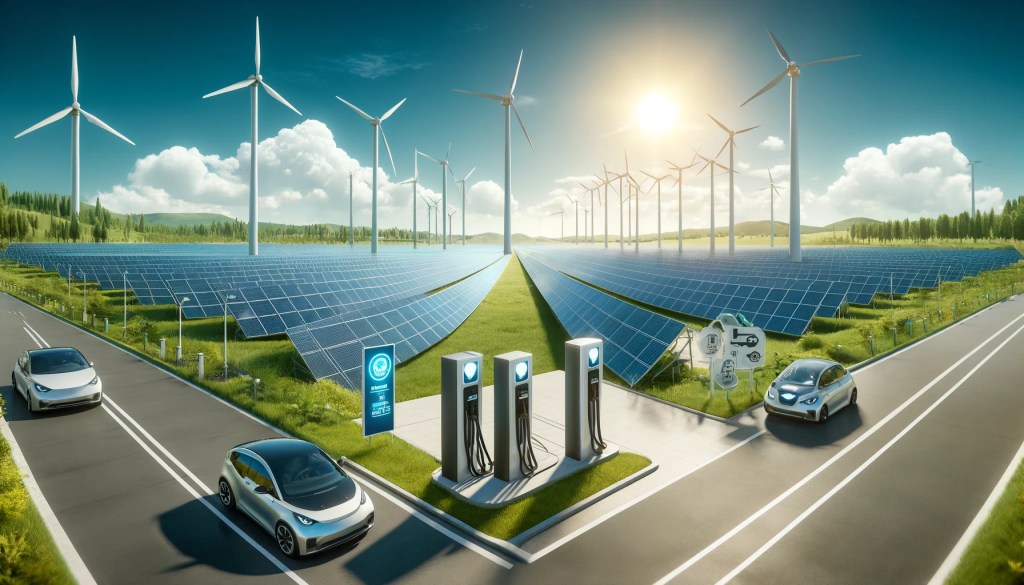
India’s journey toward electrifying its transportation sector represents a bold step toward achieving environmental sustainability and energy independence. However, this transformative endeavour must navigate a complex landscape of technological, economic, and infrastructural challenges. By adopting a comprehensive strategy that embraces hybrid technologies, strengthens renewable energy capacities, and fortifies the national grid, India can optimize the benefits of EV adoption while mitigating its inherent risks. This balanced approach not only advances environmental stewardship but also fosters resilience against potential grid failures and economic uncertainties. As India charts its course toward a cleaner, greener future, thoughtful policymaking and collaborative action are indispensable in realizing the full potential of its electric vehicle revolution.
Visit arjasrikanth.in for more insights
 SOCIAL PERSPECTIVES