
Strengthening Infrastructure Resilience for Sustainable Development!!!
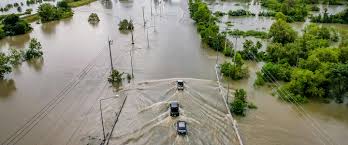
In recent years, India has faced an escalating series of climate-related disasters that have profoundly impacted its critical infrastructure. Floods, landslides, cyclones, droughts, avalanches, and snowstorms have collectively devastated communities and strained essential services such as transportation, telecommunications, and power systems. The frequency and intensity of these disasters have underscored the urgent need for resilient infrastructure capable of withstanding and recovering from such shocks. Since the turn of the century, these disasters have affected over a billion people in India and have incurred economic losses exceeding $120 billion. The year 2023 alone witnessed catastrophic events like the Sikkim glacial lake outburst and Cyclone Michaung in Andhra Pradesh, which collectively affected over 15 million people and resulted in significant loss of life.

Climate-related disasters pose severe challenges to India’s infrastructure, disrupting power grids, transportation networks, and communication systems during extreme weather events such as cyclones and heatwaves. These disruptions not only hamper immediate relief efforts but also exacerbate the risks to public safety. The aftermath often necessitates substantial government expenditure for recovery and reconstruction, highlighting the critical need for proactive measures to enhance infrastructure resilience.

The resilience of India’s infrastructure is challenged by the inadequacy of many existing projects to withstand modern-day climate extremes. Issues like waterlogging, structural damage during cyclones, and inadequate power supply systems are prevalent. Retrofitting these infrastructures to meet resilience standards is costly and less effective compared to integrating resilience features during the initial construction phase. Key strategies include adjusting maintenance schedules to account for climate impacts, adapting construction practices to local environmental conditions, and incorporating natural infrastructure solutions where feasible.

Recognizing the urgency of enhancing infrastructure resilience globally, India launched the Coalition for Disaster Resilient Infrastructure (CDRI) in 2019. This international initiative aims to foster collaboration among governments, United Nations agencies, multilateral development banks, the private sector, and academic institutions. The CDRI serves as a platform for raising awareness, sharing best practices, and promoting innovation in disaster resilience. It particularly supports developing nations with limited resources to strengthen their infrastructure against climate risks. In India, CDRI initiatives have focused on bolstering the resilience of critical infrastructure such as power systems against cyclones and heavy rainfall events.
Building resilient infrastructure requires a multifaceted approach that integrates advanced technologies and cost-effective solutions from the outset of project planning. This includes incorporating earthquake-resistant designs in construction, fortifying power distribution networks to withstand extreme weather events, and adopting adaptive management practices to address future uncertainties in climate impacts. Tools like the Climate-Preparedness Infrastructure Index (CPII) play a crucial role in assessing infrastructure vulnerability to climate risks and guiding policymakers in making climate-smart investment decisions.

India’s vulnerability to climate-related disasters necessitates a strategic and concerted effort to build resilient infrastructure capable of withstanding future shocks. By prioritizing resilience in infrastructure planning and development, India can mitigate the impacts of climate change, safeguard critical services, and protect vulnerable communities. International collaborations such as the CDRI are instrumental in advancing knowledge, fostering innovation, and mobilizing resources for building sustainable and climate-resilient infrastructure globally. With proactive measures, innovative technologies, and informed policymaking, India can pave the way towards a future where infrastructure not only supports economic growth but also ensures resilience in the face of a changing climate landscape.
visit arjasrikanth.in for more insights
 SOCIAL PERSPECTIVES