
Ayushmann Arogya Mandir: Empowering Healthcare for Underserved Communities
In a ground breaking move, the Union Health Ministry has decided to rebrand its flagship Ayushmann Bharat health and wellness centres across the country. These centres, which serve as the primary point of care for millions of individuals, are now known as Ayushmann Arogya Mandirs. This article explores the reasons behind this rebranding, the responses from different states, the concerns raised, and the potential impact on healthcare services.

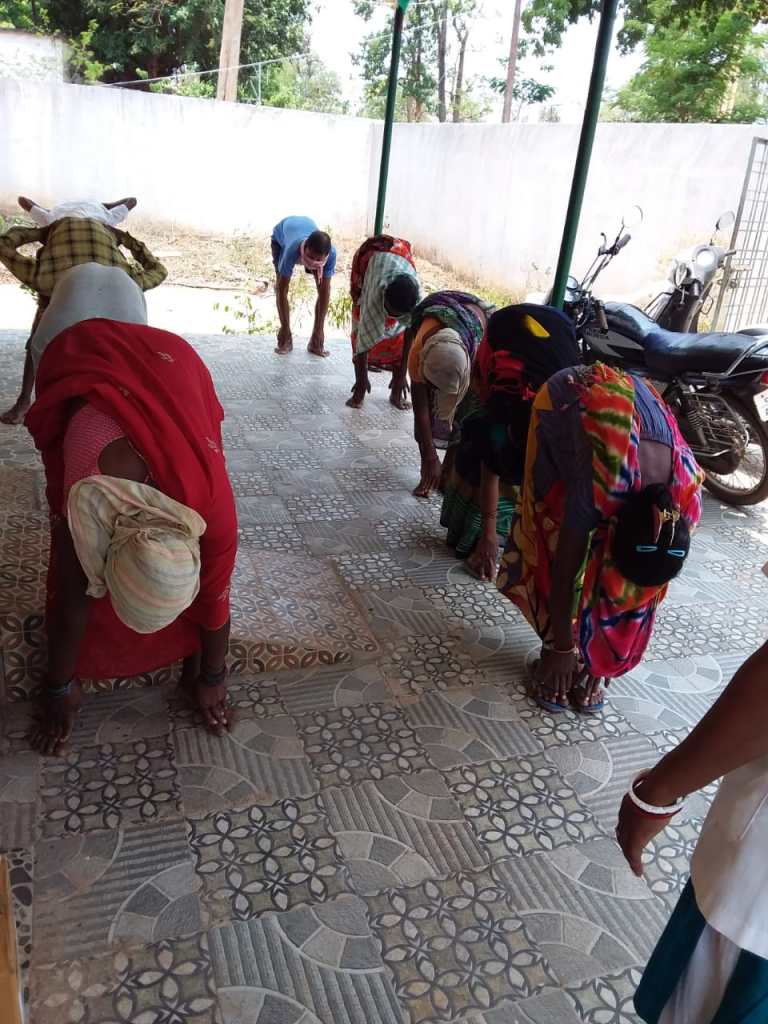
Ayushmann Arogya Mandirs constitute a network of primary health centres spread across India, operating at the district and sub-district levels. These centres provide essential healthcare services, addressing common ailments such as fever, diarrhoea, and skin infections. With the introduction of wellness programs, the focus has expanded to include non-communicable diseases like diabetes, hypertension, and prevalent cancers. Furthermore, these centers offer yoga programs to promote healthy lifestyles.

Formerly known as primary health centres under the National Health Mission, the government introduced packages for non-communicable diseases under the Ayushmann Bharat program. Consequently, the centres were renamed as health and wellness centres. However, in November last year, the Health Ministry announced the new name, Ayushmann Arogya Mandir, along with the tagline “Arogya Paramam Dhanam” (Health is the ultimate wealth). This rebranding exercise was implemented without a formal launch or explanation from the central government.

Certain states, particularly those with a significant Christian population, expressed concerns about the rebranding exercise. They raised apprehensions that the new name, Ayushmann Arogya Mandir, could create a misleading impression and negatively impact public trust in the government’s healthcare services. These concerns were based on potential religious connotations associated with the name. States such as Nagaland and those in the northeast region have written to the Centre seeking exemption from the branding exercise.

The rebranding exercise for Ayushmann Arogya Mandirs comes with associated costs. As per the Centre’s instructions, the expenses for rebranding each centre can amount to up to ₹3000. With approximately 1.6 lakh centres across the country, the total expenditure for the rebranding exercise reaches around ₹48 crore. This allocation of funds raises questions about its overall impact on the healthcare budget and whether the funds could have been better utilized for improving healthcare infrastructure.
The primary challenge with the rebranding exercise lies in the potential trust deficit it may create among communities that do not identify with the religious connotations linked to the new name. If individuals from different faiths perceive the centres as having religious affiliations, it might deter them from seeking healthcare services. This could impede the goal of achieving universal health coverage and undermine the purpose for which the centres were established.

The rebranding of Ayushmann Bharat health and wellness centres to Ayushmann Arogya Mandirs has sparked debates and concerns among different states. While some states have reservations about the potential impact on public trust and healthcare coverage, others are proceeding with the rebranding exercise. The financial implications and the potential consequences on healthcare services remain crucial points for consideration. As the government moves forward with this rebranding, it is vital to ensure that the primary focus remains on providing accessible and quality healthcare to all citizens, irrespective of their religious or cultural backgrounds.
visit arjasrikanth.in for more insights
 SOCIAL PERSPECTIVES