
Defining Resilience Through Sustainable Practices and Infrastructure Upgrades
Water scarcity is a growing concern across the globe, and two major cities, Delhi and Mexico City, are no exception. Both cities face water crisis issues stemming from inadequate infrastructure and poor water conservation practices. With approximately 50% of water being wasted due to leakages and inefficient systems, it is crucial to address these challenges to ensure a sustainable water future. This article explores the water shortage challenges faced by Delhi and Mexico City, delves into the underlying causes, and proposes potential solutions to overcome the crisis.
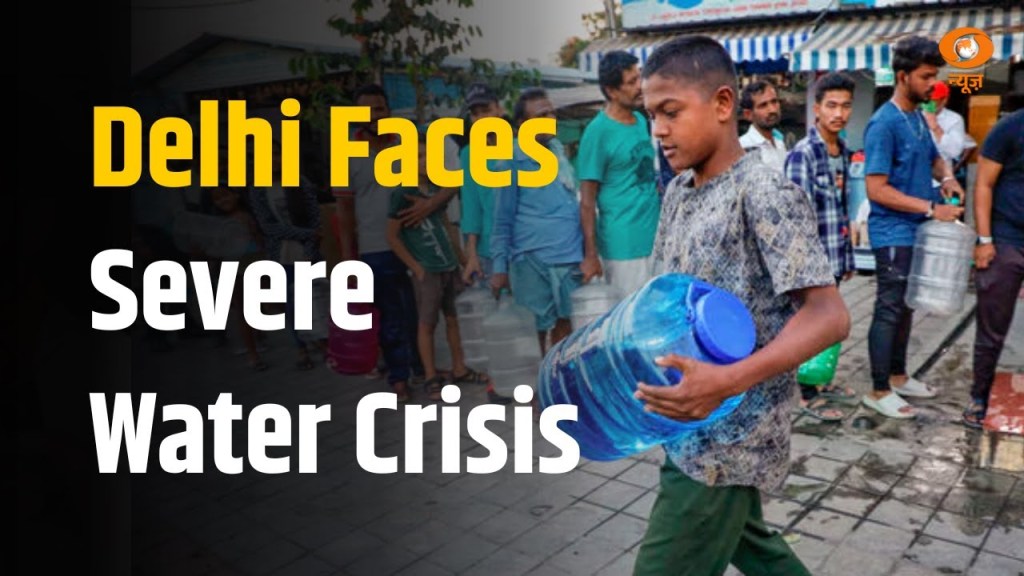
Delhi has recently faced acute water shortages, prompting government action due to its reliance on the Yamuna and Ravi rivers and groundwater sources. The city’s infrastructure inadequacies and poor maintenance cause significant water leakages and wastage, highlighting the urgent need for efficient water management and conservation practices. With its raw water supply sourced from the Ganga basin, Yamuna sub-basin, Indus basin, and internal aquifers, these sources are under continuous pressure from the growing population of over 160 lakh. The Delhi Jal Board has been striving to meet the capital’s water demands, but the challenges have increased significantly. Delhi receives about 470 cusecs (254 million gallons per day) of water from the Ganga through the Upper Ganga Canal in Uttar Pradesh, emphasizing the critical need to improve infrastructure, reduce wastage, and implement effective conservation strategies for a sustainable water future.
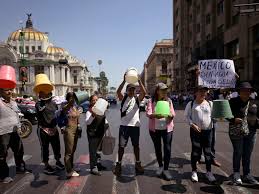
Mexico City is grappling with severe water shortages exacerbated by heatwaves, soaring temperatures, and the urban heat island effect. Reliant on surface water, the city faces challenges from decreased rainfall and faulty infrastructure, such as leaky pipes, leading to significant water loss. The Cutzamala water system, which supplies 27% of the capital’s water, is at a historically low 30% of its normal capacity. Combined with climate change, this situation makes the city highly vulnerable to extreme events, with half of Mexico City classified as flood-prone. Factors such as inaccessibility, high population density, and pollution contribute to inadequate drinking water supply for over a million people. Experts warn that the city could deplete its water supply within weeks if conditions don’t improve, making “day zero”—when water taps run dry for large parts of the city—a looming threat. Additionally, Mexico City is sinking, with parts descending up to 40cm annually due to a deepening water crisis. The canals of Xochimilco, once abundant, now see adjacent neighbourhoods without water. In Iztapalapa, an impoverished area, the water supply is inconsistent, often slowing to a trickle or stopping for days. Surprisingly, even the affluent neighbourhood of Coyoacan, known for Frida Kahlo and Diego Rivera, faces water shortages. The city’s sinking is driven by reliance on underground aquifers. As the aquifer drains, the ground settles, causing the city to sink. This crisis affects both rich and poor, revealing the limits of wealth in addressing water scarcity. Urgent action is imperative to address this impending catastrophe and implement comprehensive solutions to mitigate the water crisis in Mexico City.

Water conservation measures are essential in addressing water scarcity, benefiting cities like Delhi and Mexico City by implementing strategies such as rainwater harvesting to preserve resources. Public awareness and education about responsible water usage are crucial for sustainable management. Addressing household leaks promptly can save significant amounts of water; regularly checking and repairing faucets, toilets, and pipes is vital. Efficient water use can be achieved by opting for water-efficient appliances and fixtures, such as low-flow toilets, showerheads, and aerated faucets. Simple habits like taking shorter showers, installing water-saving shower heads, and turning off the water while brushing teeth or shaving can make a substantial difference. Conserving water is critical for growing food, protecting aquatic life, saving money, and reducing energy use, as the available water supply on Earth is limited. Sustainable water management ensures that groundwater is not depleted and the environment is not degraded. It encompasses policies, strategies, and activities aimed at protecting the hydrosphere and meeting current and future human demand, ultimately preventing water scarcity. Additionally, conserving water saves energy, as less energy is required to filter, heat, and pump water, thereby reducing the carbon footprint and preserving ecosystems and wetland habitats for animals like otters, water voles, herons, and fish.

Efficient distribution systems are essential for ensuring equitable access to water, and the integration of technology and innovative solutions can help optimize water supply and reduce wastage. Learning from successful case studies in other cities provides valuable insights into implementing efficient distribution systems. Investment in infrastructure upgrades and smart water management practices are necessary steps toward a resilient water supply. A water distribution system (WDS), comprised of interconnected hydraulic elements, ensures water distribution and supply to meet demands. Optimization is applied in many systems, making it a key paradigm in technology. Distribution optimization balances a business’s working capital and operating expenses against legal service requirements, focusing on cost versus service levels. The primary function of a WDS is to transport water from the treatment facility to customers, providing storage, adequate flow, and pressure for fire protection. Hydrological optimization uses mathematical techniques like dynamic programming and linear programming to address water-related problems, including surface water and groundwater issues. One of the most cost-effective ways to optimize water usage is by replacing old, inefficient water fixtures with low-flow or water-saving models, potentially reducing water consumption by up to 50%. System optimization improves performance, reliability, and efficiency by resolving bottlenecks, errors, and inefficiencies affecting functionality and user experience.

The water crises faced by Delhi and Mexico City underscore the urgent need for immediate action to address water scarcity. Inadequate infrastructure and poor water conservation practices significantly contribute to these challenges. Implementing sustainable practices, such as water conservation, rainwater harvesting, and efficient distribution systems, is essential for these cities to overcome their water shortage issues. Governments, communities, and individuals must collaborate to preserve this vital resource for future generations. Resilience and proactive measures are crucial for navigating the water crisis and ensuring a sustainable future for cities worldwide. By adopting these strategies, Delhi, Mexico City, and other cities can mitigate the strain on water resources and secure a prosperous future for their residents. The collective effort to implement and maintain sustainable water management practices is imperative to address the pressing issue of water scarcity effectively.
VISIT ARJASRIKANTH.IN FOR MORE INSIGHTS
 SOCIAL PERSPECTIVES