
Navigating Challenges Towards Sustainable Growth
Vizag Steel Plant, affectionately known as the People’s Steel Plant, holds a special place in the hearts of the local community in Visakhapatnam. With its potential to produce over 7 million tonnes of crude steel and 5.5 million tonnes of finished products annually, the plant stands as a critical player in India’s steel industry landscape. However, amidst its significant production capabilities, Vizag Steel Plant faces a myriad of challenges that threaten its operational efficiency and financial stability. This article delves into the current state of affairs at Vizag Steel Plant, analyses its challenges, and proposes strategic initiatives for its revival and sustainable growth.
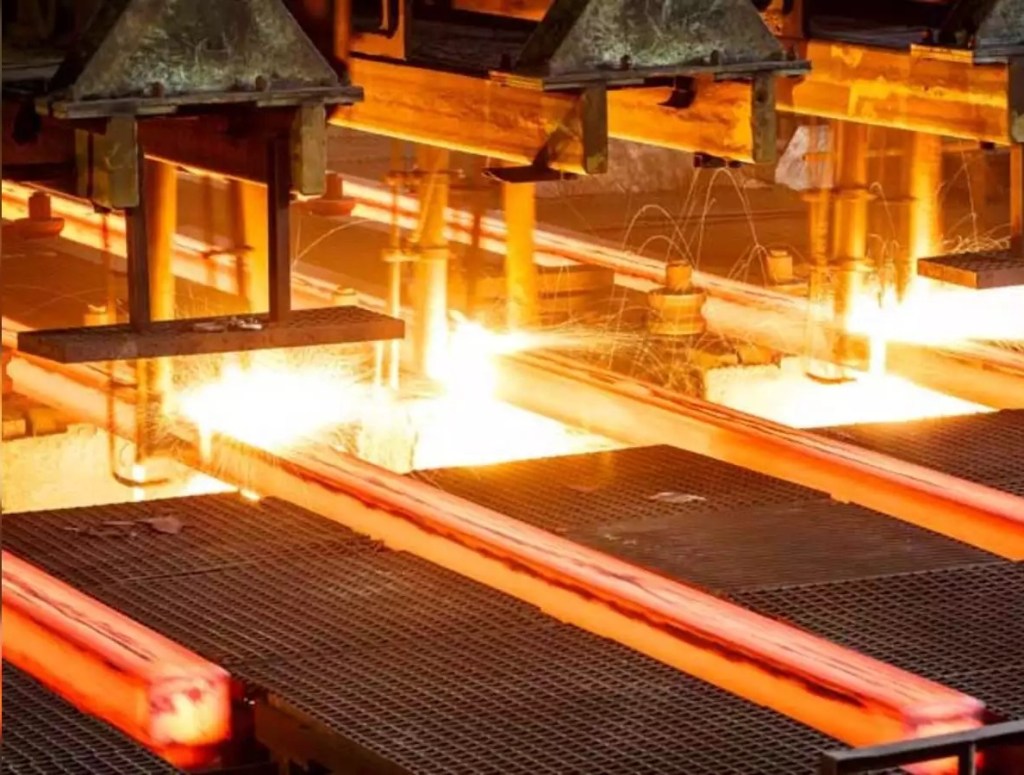
The cost of production at Vizag Steel Plant poses a substantial challenge, with operational costs exceeding sale prices, resulting in margin losses that undermine profitability. The primary cost components include sourcing costs for raw materials, manpower expenditures, and techno-economic costs associated with plant operations. Addressing these cost inefficiencies is crucial to enhancing the plant’s financial performance and overall competitiveness in the steel market.
For instance, the current predicament involving over 2.5 lakh tonnes of coking coal stranded at Gangavaram Port due to a court attachment underscores the liquidity and operational challenges faced by the plant. Coupled with pending payments towards iron ore supplies from NMDC, coal procurement, and existing bank loans, Vizag Steel Plant confronts a severe financial strain that necessitates immediate remedial actions.

The liquidity position of Vizag Steel Plant remains precarious, exacerbated by mounting payment obligations and operational costs. To mitigate these challenges, effective fund allocation strategies and leveraging available resources are imperative. Government intervention, coupled with strategic partnerships with financial institutions, can provide the necessary financial respite to stabilize cash flows and restore operational continuity.
Optimizing the utilization of Vizag Steel Plant’s two blast furnaces represents a pivotal opportunity to streamline production processes and reduce operational costs. Collaborative efforts with NMDC and proactive engagement with financial stakeholders to alleviate financial pressures are essential steps towards enhancing blast furnace efficiency. This concerted approach is instrumental in revitalizing cash flows and sustaining operational viability.

The Vizag Steel Plant holds three iron ore reserves, with capacities of 0.4 million tonnes (MT), 1.8 MT, and 1.8 MT respectively. Currently, only the 0.4 MT mine is operational, while the others await Environmental Clearance, a process that has stretched over several years. Accelerating approval procedures for these reserves and cultivating strategic partnerships with entities such as NMDC are pivotal steps. These initiatives would bolster the plant’s iron ore supply chain, reduce dependence on external suppliers, and strengthen overall profitability. Moreover, strategically allocating iron blocks in Chhattisgarh and expediting the operationalization of existing mines are crucial measures. These actions will significantly enhance raw material sufficiency, fortify operational resilience, and position the plant more competitively in the steel industry landscape.

A potential merger between Vizag Steel Plant and Steel Authority of India Limited (SAIL) presents a promising avenue to synergize operations, consolidate resources, and optimize logistical efficiencies. This strategic collaboration not only reduces transportation costs but also expands market reach, particularly in southern India. Utilizing Vizag Steel Plant’s robust infrastructure and operational capabilities under SAIL’s stewardship can drive economies of scale, enhance cost-effectiveness, and bolster overall profitability.

Conducting a comprehensive analysis of value chain costs and benchmarking against industry standards is indispensable for identifying cost inefficiencies and operational bottlenecks. By meticulously scrutinizing each facet of the value chain, Vizag Steel Plant can streamline operations, minimize techno-economic costs, and optimize resource allocation. Adopting best practices and implementing efficiency-driven initiatives are fundamental to achieving sustainable cost reductions and operational excellence.
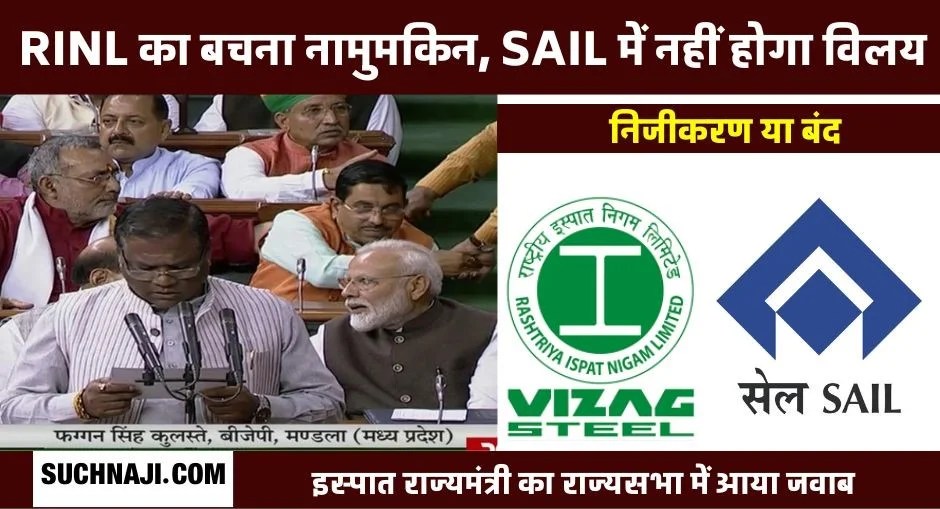
Effective collaboration between the state and central governments is pivotal in revitalizing Vizag Steel Plant’s operations and ensuring its long-term viability. Governmental support through budgetary allocations, expedited iron mine allocations, and policy interventions that align with industry dynamics are critical enablers for the plant’s revival. Facilitating operational synergies with SAIL, coupled with proactive measures to address regulatory hurdles and financial constraints, underscores the government’s commitment to fostering industrial growth and economic resilience.

In conclusion, the revival of Vizag Steel Plant demands a multifaceted strategy encompassing stringent cost optimization measures, prudent liquidity management, enhanced blast furnace efficiency, strategic leverage of iron ore reserves, exploration of merger potentials, rigorous value chain analysis, and robust governmental support. Upholding the plant’s legacy as the People’s Steel Plant requires a concerted effort to navigate challenges, capitalize on growth opportunities, and ensure sustainable profitability. With steadfast government backing, collaborative partnerships, and strategic initiatives, Vizag Steel Plant can transcend its current predicaments, reclaim its position as a cornerstone of India’s steel industry, and contribute meaningfully to regional development and economic prosperity.
visit arjasrikanth.in for more insights
 SOCIAL PERSPECTIVES
One response to “Resilience Forged in Steel: The Vizag Steel Plant Saga”
Greetings. Good article. Justice prevails. Truth always wins. Honesty pays. All the best.
LikeLike