
Unrelenting Heat and Unauthorized Journeys Result in Over 1,300 Fatalities
The 2024 Hajj pilgrimage, an event of immense religious significance for Muslims worldwide, has been marred by tragedy. Saudi Arabia announced on Sunday that a staggering 1,301 pilgrims lost their lives, primarily due to extreme heat and unauthorized trips. This catastrophic event has raised questions about the management and organization of the Hajj, as well as the severe implications of climate change on religious observances.

The Hajj pilgrimage, one of the five pillars of Islam, mandates every Muslim with the means to perform it at least once in their lifetime. This year, the pilgrimage coincided with record-setting temperatures in Saudi Arabia, reaching 125 degrees Fahrenheit (51.8 degrees Celsius). The extreme heat, coupled with the physical demands of the Hajj rituals, proved deadly for many pilgrims. The Saudi government attributed the majority of deaths to heat stress, which was exacerbated by unauthorized pilgrimages. In their statement, the government noted that “the health system addressed numerous cases of heat stress this year, with some individuals still under care. Regrettably, the number of mortalities reached 1,301.” Unauthorized pilgrims, lacking the necessary permits and proper arrangements, often endured long walks without adequate shelter or comfort, making them particularly vulnerable to the harsh conditions. This situation underscores the urgent need for improved infrastructure and stricter adherence to regulations to ensure the safety and well-being of all pilgrims.

An astonishing 83% of those who died during the Hajj were unauthorized pilgrims, lacking necessary permits and thus walking long distances under the scorching sun without adequate shelter or comfort. These individuals included several elderly and chronically ill people, who were particularly vulnerable to the harsh conditions. Unauthorized pilgrims, typically unable to afford the steep costs of official Hajj permits—which can run into several thousand US dollars—often resort to making the journey without proper arrangements. This leaves them without access to organized tour buses equipped with air conditioning or easy access to water and food supplies. This year, the lack of proper shelter and amenities for unauthorized pilgrims significantly contributed to the high mortality rate, underscoring the urgent need for more accessible and safer pilgrimage conditions.

The Saudi government also highlighted the challenges in identifying the deceased. Many of the unauthorized pilgrims did not carry identification documents, complicating the process. The statement emphasized that proper processes were followed for identification, burial, and honoring the deceased, with death certificates provided to the families. “Identification completed, despite the initial lack of personal information or identification documents. Proper processes were followed for identification, burial, and honoring the deceased, with death certificates provided,” it stated.
The tragedy has sparked criticism of the infrastructure and organization of this year’s Hajj pilgrimage. Many pilgrims on official tours also faced hardships, spending the bulk of their day walking outdoors in the intense heat. Some witnesses reported seeing worshippers losing consciousness and walking past bodies covered in white cloth.
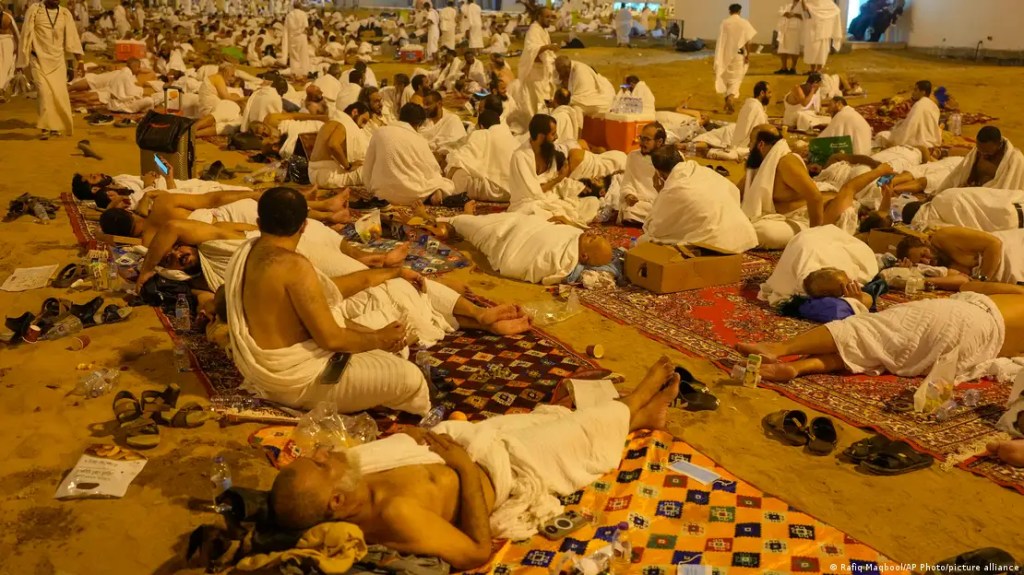
In response to the tragic deaths during the Hajj pilgrimage, the Egyptian government acted against 16 Hajj tourism firms involved in organizing illegal pilgrimages to Mecca. The Egyptian cabinet decided to revoke the licenses of these firms and refer their managers to the public prosecutor amid fears that hundreds of Egyptians were among the deceased. A report reviewed by the Egyptian cabinet accused some operators of issuing incorrect visas, which forced pilgrims to enter Mecca through desert paths on foot. The report also highlighted the failure of some firms to provide proper accommodation, leaving pilgrims exposed to the extreme heat. These actions underscore the critical need for stringent oversight and regulation of Hajj pilgrimage organizers to prevent such tragedies in the future. Unauthorized pilgrimages, often undertaken due to the high cost of official permits, not only endanger the lives of pilgrims but also complicate efforts to manage and ensure the safety of the millions who undertake this sacred journey each year.
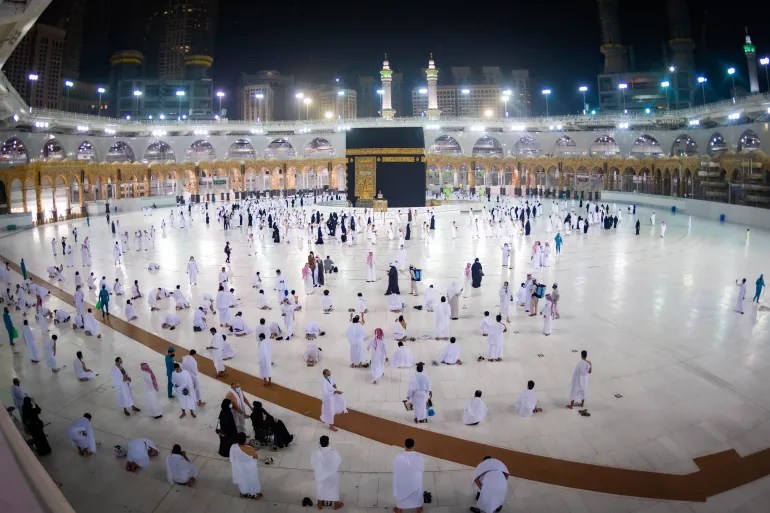
Hajj permits are crucial for ensuring the safety and organization of the pilgrimage. These permits are distributed based on a quota system, with each country allocated a certain number of permits. This year, Saudi Arabia issued 1.8 million licenses for pilgrims to legally access Mecca. However, the high cost of these permits often pushes many pilgrims to attempt the journey without proper authorization, risking severe consequences.
The timing of the Hajj pilgrimage, based on the Islamic lunar calendar, can fall during extremely hot periods in Saudi Arabia. This year, the pilgrimage took place during one of the hottest months, making the journey even more arduous. The total number of deaths could still rise as governments continue to report on the fate of their pilgrims.
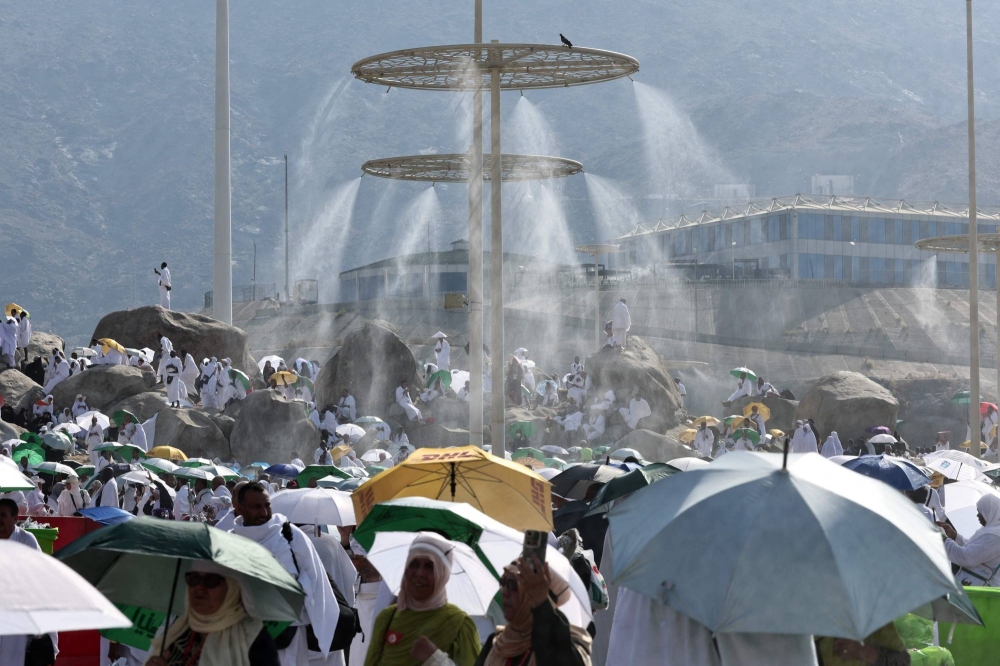
Climate change is increasingly becoming a critical factor in the safety of the Hajj pilgrimage. A 2019 study by the journal Geophysical Research Letters predicted that heat stress for Hajj pilgrims would exceed the “extreme danger threshold” from 2047 to 2052 and again from 2079 to 2086, with increasing frequency and intensity as the century progresses. This forecast underscores the urgent need for measures to mitigate the impact of extreme heat on pilgrims.

Saudi Health Minister Fahd bin Abdurrahman Al-Jalajel described the management of the Hajj this year as “successful” despite the challenges. The health system provided over 465,000 specialized treatment services, including 141,000 services to unauthorized pilgrims. However, the minister did not specify the exact number of deaths attributed to heat.
“The health system addressed numerous cases of heat stress this year, with some individuals still under care. Among the deceased were several elderly and chronically ill individuals,” the minister stated.
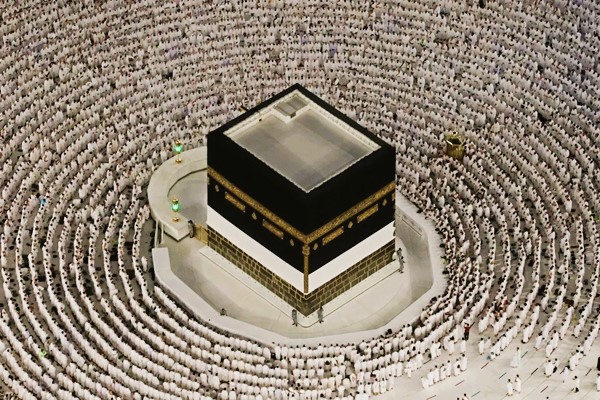
The Hajj pilgrimage is not only a religious obligation but also a significant economic driver for Saudi Arabia. The pilgrimage generates substantial revenue from lodging, transport, gifts, food, and fees. Before the pandemic, the religious pilgrimage generated $12 billion in revenues. The recent deaths have raised concerns about the future of the Hajj, especially in the face of climate change and the increasing number of unauthorized pilgrims.
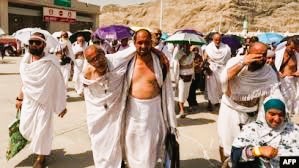
Unauthorized pilgrims, who do not have access to amenities meant to make the pilgrimage more bearable, often face severe hardships. Unregistered Egyptian pilgrims reported difficulties in accessing hospitals or hailing ambulances for their loved ones, some of whom ended up dying. The Saudi official, mentioned that around 400,000 unauthorized pilgrims took part in this year’s Hajj, with almost all of them from Egypt.
The tragic events of this year’s Hajj highlight the urgent need for better regulation and support for unauthorized pilgrims. Ensuring that all pilgrims have proper permits and access to adequate facilities can significantly reduce the risk of fatalities. Additionally, increasing awareness about the dangers of performing the Hajj without proper authorization is crucial.

The Hajj 2024 catastrophe, resulting in over 1,300 deaths, has starkly highlighted the severe consequences of extreme heat and unauthorized pilgrimages. With climate change intensifying these threats, it is crucial for Saudi Arabia and the global Muslim community to take proactive measures. Enhancing the infrastructure and organization of the Hajj pilgrimage is essential to ensure that all pilgrims possess the necessary permits and have access to vital amenities. Additionally, a concerted effort to educate potential pilgrims about the risks of unauthorized journeys and the importance of adhering to official regulations is imperative. By addressing these issues, we can safeguard the wellbeing of millions of faithful who undertake this profound spiritual journey each year.
Visit arjasrikanth.in for more insights
 SOCIAL PERSPECTIVES