
From Village to Silver Screen: Pawan Kalyan’s Visionary Journey Back to Rural Governance
In a significant move towards transparency and accountability, Pawan Kalyan, the Deputy Chief Minister of Andhra Pradesh, has initiated social audits in over 21,000 villages across the state. This article explores the vision of Pawan Kalyan in taking up the Panchayat social audit, which has the potential to transform the strength and effectiveness of the Panchayat system. By ensuring the proper utilization of funds and identifying any misappropriation, this initiative aims to empower rural communities and promote environmental protection. A social audit is an essential evaluative process that scrutinizes a program or scheme by juxtaposing official records against the actual on-ground realities. In village settings, these audits are periodic gatherings organized by Gram Sabhas to thoroughly examine project details. As a mechanism of public vigilance, social audits play a pivotal role in ensuring transparency, accountability, and effective decision-making in local governance.
Pawan Kalyan’s Commitment to Social Audits After assuming the role of Deputy Chief Minister and Minister for Panchayat Raj, Rural Development, and Forests, Pawan Kalyan wasted no time in instructing officials to conduct social audits in all villages across Andhra Pradesh. This move reflects his commitment to ensuring that employment guarantee funds are utilized for the benefit of the needy public and without any misuse.

Empowering Rural Communities Pawan Kalyan expressed his delight at being assigned the Panchayat Raj, Rural Development, and Forests departments, as they align with his interests and aspirations for environmental protection. Through social audits, he aims to empower rural communities by promoting transparency and accountability in the utilization of funds allocated for various development projects. Social audits empower villagers by making them aware of their rights and the mechanisms in place to implement schemes for their benefit. Regular assemblies convened by Gram Sabhas serve as continuous platforms for public vigilance, ensuring transparency and accountability of Panchayati Raj Institutions (PRIs) and officials.
Understanding the Process of Social Audit During a thorough review meeting with officials from the Social Audit Department of the Mahatma Gandhi National Rural Employment Guarantee Scheme, Pawan Kalyan familiarized himself with the process of social audit. This included understanding the methodology of identifying misappropriation of funds and the mechanism for conducting social audit meetings at the field level. Under the Mahatma Gandhi National Rural Employment Guarantee Act (MGNREGA) 2005, the Gram Sabha is tasked with monitoring the execution of works within the Gram Panchayat and conducting regular social audits of all projects undertaken within the Panchayat. This statutory requirement ensures proper oversight and management of cooperatives and public organizations.

A social audit involves several key steps to ensure transparency and accountability in the implementation of schemes. It begins with auditing the scheme at various stages—pre-implementation, implementation, and post-implementation—to ensure adherence to objectives. This is followed by verifying records and registers to identify discrepancies, inspecting work sites to validate completed tasks, and conducting door-to-door visits to gather first-hand information from job card holders. The findings are compiled into a comprehensive report, which is then presented to the Gram Sabha for review and approval. Once approved, the report is submitted to the concerned Panchayats and the Director of Social Audit. The Social Audit Gram Sabha ensures inclusivity by allowing all community members to voice their opinions, maintaining impartiality in observation, and documenting only verifiable facts. Community mobilization and the establishment of Social Audit Units (SAUs) are also crucial for organizing and overseeing the audit process. However, social audits face challenges such as limited scope, which might not cover all consumer concerns, and potential bias towards the interests of the auditing entity.
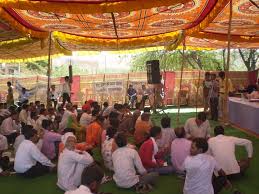
Ensuring Effective Utilization of Funds Pawan Kalyan emphasized the importance of utilizing the funds in the employment guarantee scheme effectively. He made it clear that any violations or misuse of funds would be the responsibility of the officials involved. To promote rural development, he instructed the officials to explore broader ways in which the employment guarantee scheme can be utilized. Regular monitoring of the funds was also emphasized to ensure their proper utilization. VRPs, identified by the Social Audit Unit in each state, play a crucial role in the audit process. They are typically members of Self-Help Groups (SHGs), preferably women, or individuals who have worked under MGNREGA. Their involvement ensures community participation and adds credibility to the audit process.
The Potential Impact of Social Audits The implementation of social audits in all villages across the state holds immense potential for transforming the Panchayat system. By identifying misappropriation of funds and promoting transparency, social audits can not only empower local communities but also foster a culture of accountability among officials. Additionally, this initiative aligns with Pawan Kalyan’s vision of promoting environmental protection through sustainable rural development.

Conclusion Pawan Kalyan’s vision of conducting social audits in villages across Andhra Pradesh is a significant step towards promoting transparency, accountability, and effective utilization of funds. By empowering rural communities and ensuring the proper allocation of resources, this initiative has the potential to transform the strength and effectiveness of the Panchayat system. As the social audits progress, it is expected that the benefits of this initiative will be felt by the people of Andhra Pradesh, leading to sustainable and inclusive rural development. Social audits are vital for fostering transparency, accountability, and effective governance in rural settings. By involving community members in scrutinizing public projects and ensuring that their voices are heard, social audits bridge the gap between policy intentions and actual outcomes. They empower villagers, promote responsible governance, and ensure that the benefits of schemes and programs reach the intended beneficiaries, thereby contributing to the overall development and well-being of rural communities.
visit arjasrikanth.in for more insights
 SOCIAL PERSPECTIVES