
In the Realm of Politics, It’s Not Just What You Say, But How You Say It That Makes All the Difference
The recent elections in Andhra Pradesh marked a significant turning point, highlighting the potent influence of language in political discourse. Despite securing a considerable share of the vote, the YSR Congress Party was voted out in favour of the NDA alliance. This shift underscores a critical lesson: voters can overlook many shortcomings, but they draw the line at arrogance and offensive language. This article delves into the dynamics of this electoral outcome, examining the critical role language played in the downfall of the YSR Congress Party and the rise of the NDA alliance.
Language is a multifaceted tool used to communicate ideas, influence public opinion, and persuade the masses. Politicians, in particular, leverage language to shape perceptions and garner support. The relationship between language and politics is deeply intertwined with the concept of power. Power can be categorized into two types: instrumental and influential.
Instrumental power is authoritative, such as the power held by a monarch. This type of power is inherent and does not require persuasion. Influential power, on the other hand, is about gaining control over others by influencing their thoughts and behaviours. In politics, both types of power are at play, but the language used by politicians often falls under influential power. Through speeches, debates, and public addresses, politicians attempt to sway public opinion and secure votes.
Political rhetoric refers to the art of persuasive speaking . Politicians use various rhetorical techniques to convince and influence their audience. Experts identify several flaws in political language, including lack of precision, dying metaphors, verbal false limbs, pretentious diction, and meaningless words. These flaws result in vague and ineffective communication, often used to obscure truth and manipulate public perception.

In the recent Andhra Pradesh elections, the YSR Congress Party’s use of language became a focal point. Despite securing over 130 lakh votes (40% of the votes polled), the party faced a decisive defeat. This outcome was influenced by the language and demeanour of certain vocal members of the YSR Congress Party. Voters expressed their dissatisfaction not merely through complaints but through their ballots, showcasing a clear rejection of arrogance and offensive language.
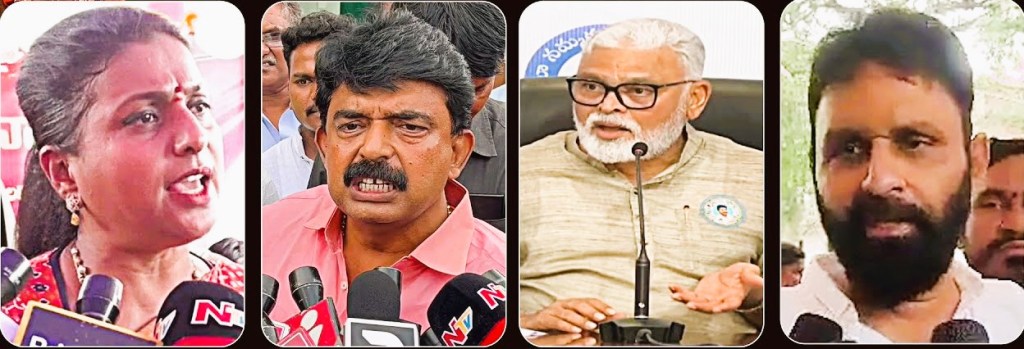
The electorate in Andhra Pradesh demonstrated that while they might tolerate corruption to an extent, they draw a firm line at the use of unparliamentary language. The patience and tolerance of the people were tested, and ultimately, they voted for change. This change was not just about governance but also about the manner in which leaders communicated. The elections highlighted the importance of respectful and constructive discourse in politics.
A similar pattern was observed in the recent Telangana elections. The ruling party’s leadership, marked by arrogance and offensive language, faced significant backlash from the voters. This parallel between Telangana and Andhra Pradesh underscores a broader trend: voters are increasingly intolerant of disrespectful and arrogant political rhetoric. The ability to communicate respectfully and effectively is becoming a crucial factor in political success.

The legendary Nandamuri Taraka Rama Rao (NTR) provides a stark contrast to the current political climate. NTR’s command over language, both verbally and physically, played a significant role in his political ascent. His cultural expressions and respectful communication endeared him to the public, allowing him to bring the Telugu Desam Party (TDP) to power within nine months of its establishment. Voters appreciated his maturity in language and expression, setting a standard for political discourse.
The media plays a crucial role in amplifying the language and rhetoric of politicians. News channels, social media, and newspapers influence public opinion by highlighting certain aspects of political discourse. In the case of Andhra Pradesh, the media coverage of the YSR Congress Party’s language and behavior significantly impacted voter perception. The electorate was well-informed about the nature of political rhetoric, leading to a more discerning and critical voting populace.
The recent elections offer valuable lessons for political leaders. The importance of respectful and effective communication cannot be overstated. Leaders must prioritize clear, precise, and respectful language to connect with voters. Arrogance and offensive rhetoric can have severe repercussions, as seen in the election outcomes. Political leaders must also be aware of the role of media in shaping public perception and use it judiciously to communicate their vision and policies.
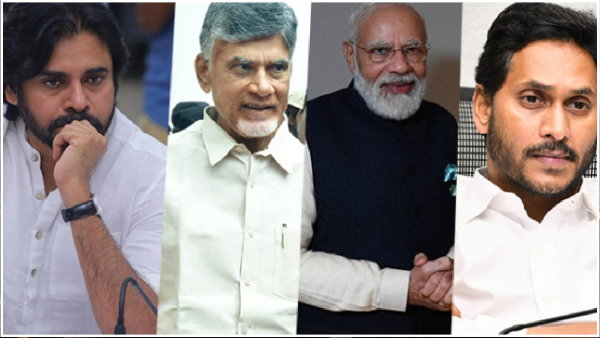
The recent elections in Andhra Pradesh highlighted the pivotal role of language in political discourse. Despite securing a significant share of the vote, the YSR Congress Party was ousted in favor of the NDA alliance, underscoring a crucial lesson: voters may overlook some shortcomings, but they draw the line at arrogance and offensive language. The abrasive rhetoric of certain YSR Congress leaders alienated voters, proving that respectful and constructive discourse is essential for political success. The power of language in politics lies in its ability to shape public perception and influence voter behavior, with effective communication prioritizing clarity, respect, and precision. The rejection of disrespectful rhetoric in both Andhra Pradesh and Telangana elections reflects a broader trend of increasing voter intolerance towards arrogant political communication. Leaders like Atal Bihari Vajpayee, Nandamuri Taraka Rama Rao (NTR), YS Rajasekhar Reddy, and Nara Chandrababu Naidu exemplified the positive impact of respectful and effective communication, endearing themselves to the public and setting a benchmark for political discourse. The media’s role in amplifying political rhetoric further underscores the importance of maintaining a respectful tone. Political leaders must heed this lesson: words matter, and voters will reward respect while rejecting arrogance.
visit arjasrikanth.in for more insights
 SOCIAL PERSPECTIVES