A Political Showdown Shaped by Legal Battles
The 2024 US Presidential Election is poised to be a landmark event in American political history, defined by unprecedented legal challenges facing both major candidates, former President Donald Trump and incumbent President Joe Biden. These legal controversies are reshaping voter perceptions of accountability and the integrity of the political process. This comprehensive analysis explores the current political landscape, statistical forecasts, and key factors influencing the race, while emphasizing the need to challenge conventional assumptions in American politics.
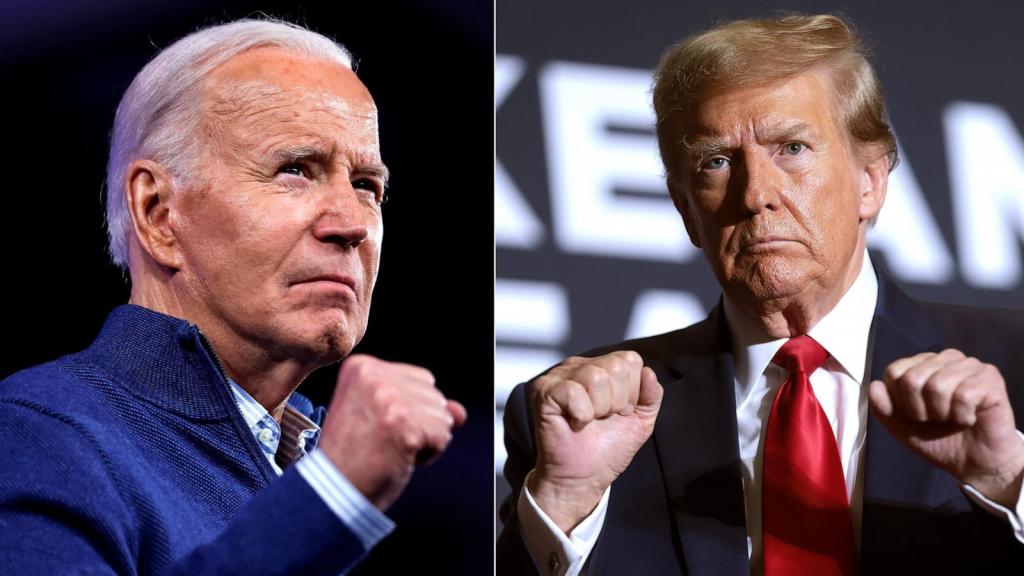
President Joe Biden’s administration has encountered significant challenges, leading to a decline in approval ratings amid critiques of policy decisions on inflation, the COVID-19 pandemic, and international relations. Despite these obstacles, Biden remains focused on advancing legislative priorities such as infrastructure improvements, climate change mitigation, and healthcare reforms.
In contrast, Donald Trump’s political trajectory remains unconventional, marked by the January 6 Capitol insurrection and a second impeachment, yet he maintains substantial influence within the Republican Party. Statistical forecasts suggest a strong possibility of Trump returning to the White House, bolstered by advantages in critical battleground states, particularly across the Sun Belt.
Statistical models, incorporating historical data, economic indicators, presidential approval ratings, and state voting patterns, forecast a closely contested race. Biden’s declining popularity aligns with historical trends for incumbent presidents seeking re-election, exacerbated by economic concerns like inflation. Shifts in voter demographics, especially among midterm-active groups, further impact polling outcomes.
Trump’s resurgence in statistical models can be attributed to several factors, including Biden’s declining approval ratings and economic discontent amplified by inflation. Trump’s ability to mobilize his base and capitalize on dissatisfaction with the current administration has solidified his electoral prospects, with indications that undecided voters may be swayed by recent legal developments.
While the election has shown stability, unforeseen events like potential legal outcomes or economic fluctuations could dramatically alter voter sentiment. Statistical models, while useful, are inherently limited in predicting such shifts, as evidenced by the unexpected outcomes of past elections like 2016, emphasizing the need to challenge assumptions and remain vigilant.

Hunter Biden, facing new tax-related charges and a firearms indictment, represents a significant legal challenge for President Biden’s re-election campaign. Despite negotiations for a plea deal, subsequent legal proceedings and indictments have complicated Hunter’s legal landscape, influencing public discourse and potentially affecting voter perceptions.
The 2024 election’s outcome will significantly impact the trajectory of American democracy, reflecting voter sentiments on accountability and institutional integrity. As voters prepare to make their choice, they face a decision that extends beyond partisan lines, testing the strength of democratic institutions and their resilience in times of legal and political challenges.
In conclusion, the 2024 US Presidential Election stands as a critical moment for American democracy, shaped by profound legal challenges facing both candidates. Statistical forecasts provide insights into a closely contested race, yet the dynamic nature of American politics underscores the need to challenge assumptions and anticipate unforeseen developments. As the nation prepares to vote, the outcome will not only reflect public will but also the enduring strength of democratic institutions in upholding justice and accountability.
visit arjasrikanth.in for more insights
 SOCIAL PERSPECTIVES