Fuelling Tax Reform: The Journey Towards GST Inclusion
The taxation of petrol and diesel in India is a complex issue, intricately shaped by two primary forms of indirect taxation: Central Excise Duty and State Value Added Tax (VAT). These taxes play a crucial role in government revenues, which are essential for funding infrastructure and driving economic growth. However, the combined tax rates on petrol, which stands at around 107%, and diesel, approximately 79%, are significantly higher than the highest Goods and Services Tax (GST) slab of 28%. This substantial disparity brings up critical questions regarding the feasibility and consequences of integrating petrol and diesel into the GST regime.
The current structure of petrol and diesel taxation poses significant challenges and opportunities. This comprehensive analysis delves into various scenarios for incorporating these fuels into the GST system, examines the broader economic implications, and explores the historical and political contexts influencing tax policies.
One proposed solution is to introduce a new, higher GST slab specifically for petrol and diesel. However, considering the existing operational challenges within the GST framework, this approach may prove impractical. The GST system has already faced significant hurdles, and adding a new tax slab exceeding 28% could further complicate its structure and exacerbate current issues.
Integrating petrol and diesel under a new GST slab would require meticulous planning and robust execution to avoid additional complications. The Indian GST system has faced various teething problems since its implementation, including technical glitches, compliance challenges, and resistance from businesses and states. Introducing a new tax slab could potentially destabilize the already delicate equilibrium.
Moreover, higher tax slabs might not be well-received by the public or businesses, leading to potential backlash. The GST Council, comprising representatives from the central and state governments, would need to achieve a consensus on this matter, which could prove to be a significant political hurdle.
Another potential solution is to include petrol and diesel in the highest existing GST slab of 28%. However, given the current economic climate—shaped by the effects of demonetization, GST implementation, and the COVID-19 pandemic—this option appears unlikely to gain traction among central and state governments.
Including petrol and diesel under the 28% GST slab would result in substantial revenue losses for both levels of government. Currently, the central and state governments derive significant income from the excise duties and VAT on these fuels. Transitioning to the GST system would drastically reduce these revenues, compromising the governments’ ability to fund essential expenditures, especially when fiscal stimulus measures are crucial for economic revival.
The implementation of such a policy would also face resistance due to the fiscal impact on state finances. States rely heavily on VAT collections from petrol and diesel to fund their budgets. Any reduction in this revenue stream could lead to budgetary constraints, impacting public services and infrastructure projects.
The third option is to classify petrol and diesel as demerit goods under GST, imposing a cess in addition to the GST rate to compensate for revenue losses. However, to bridge the gap between current taxation rates and the GST rate, a substantial cess of 50-75% would be necessary. Politically, this option is fraught with challenges, as such high additional taxes on essential goods would likely provoke public backlash.
Classifying petrol and diesel as demerit goods would entail recognizing them as products that generate negative externalities, such as pollution and traffic congestion. While this classification aligns with environmental objectives, the economic and political ramifications must be carefully considered.
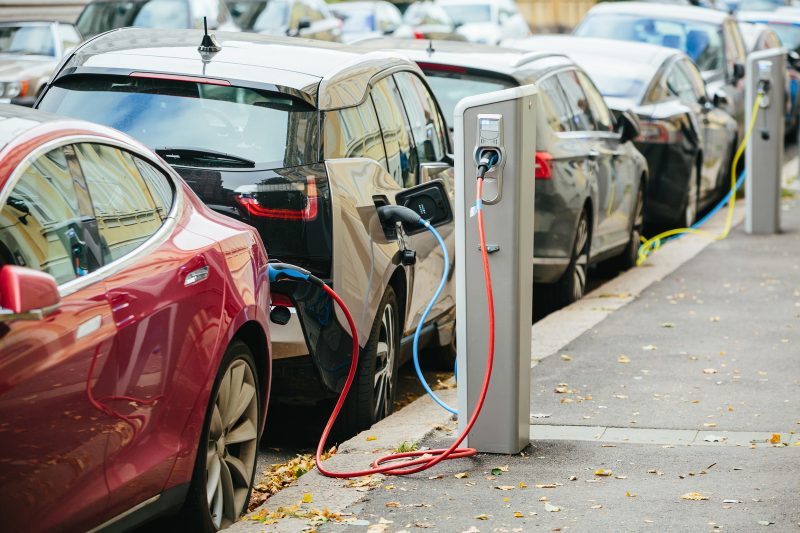
Exploring alternatives to the high taxation on petrol and diesel could involve diversifying government revenue sources and reducing consumers’ economic burden. One approach is to gradually reduce excise duties and VAT while increasing GST rates on luxury goods and services to balance revenue losses without impacting essential goods. Enhancing tax collection efficiency and reducing evasion through improved compliance and technology could generate additional revenue without raising tax rates. Promoting alternative fuels and renewable energy sources, encouraging electric vehicle adoption, investing in public transportation infrastructure, and incentivizing renewable energy projects could reduce dependency on petrol and diesel, mitigating the economic impact of fuel taxes and fostering a sustainable and resilient energy sector.
Imposing a significant cess could offset revenue losses, but it would also raise the retail prices of petrol and diesel, counteracting the intended benefits of GST inclusion. Moreover, public acceptance of such a high cess is doubtful, as it would directly affect consumers’ pockets, leading to potential unrest and political instability.
Currently, the retail price of petrol in most Indian states is composed of four main components: the base cost after refining, which is approximately 32% of the final price (around Rs. 31.36); the central government tax, which is about 35% (approximately Rs. 34.30); the state VAT, approximately 29% (about Rs. 28.42); and the dealer commission, roughly 4% (around Rs. 3.60).
If petrol were brought under the 28% GST slab, the pricing structure would change significantly: the base cost after refining would remain Rs. 31.36, the 28% GST on the base cost would be Rs. 8.78 (shared between the Centre and State), and the dealer commission would be Rs. 3.92, making the total price Rs. 44.06. While this would lower consumer prices, the central government would lose approximately Rs. 29.91 per liter in revenue, and the states would lose around Rs. 24.03 per liter. To recoup these losses, alternative tax increases would be necessary, presenting a politically and economically challenging scenario.
The current pricing mechanism ensures that both central and state governments secure substantial revenues from petrol and diesel sales. However, this system also burdens consumers with high prices. The proposed GST structure aims to alleviate this burden but requires balancing the revenue shortfall with fiscal policies that do not destabilize the economy.
Fuel prices are a major source of revenue for both central and state governments. The COVID-19 pandemic has exacerbated revenue shortfalls due to reduced retail fuel purchases, while government expenditures have surged, particularly in response to the pandemic. Governments now face a choice between not raising taxes, potentially leading to budget deficits, necessitating borrowing or money printing, which could cause inflation and currency devaluation, or raising taxes, as the current government has done, to maintain control over deficits and inflation.
If petrol prices were lowered by including them under GST, significant revenue shortfalls would occur, leading to reduced government spending on infrastructure projects like roads and railways, potentially increasing unemployment in the construction sector and slowing GDP growth. Increased pressure on state finances could result in power cuts, poor road maintenance, higher registration fees for properties, increased prices for public services, and agricultural distress. Potential political instability might also arise due to public dissatisfaction with increased taxes elsewhere or reduced government services.
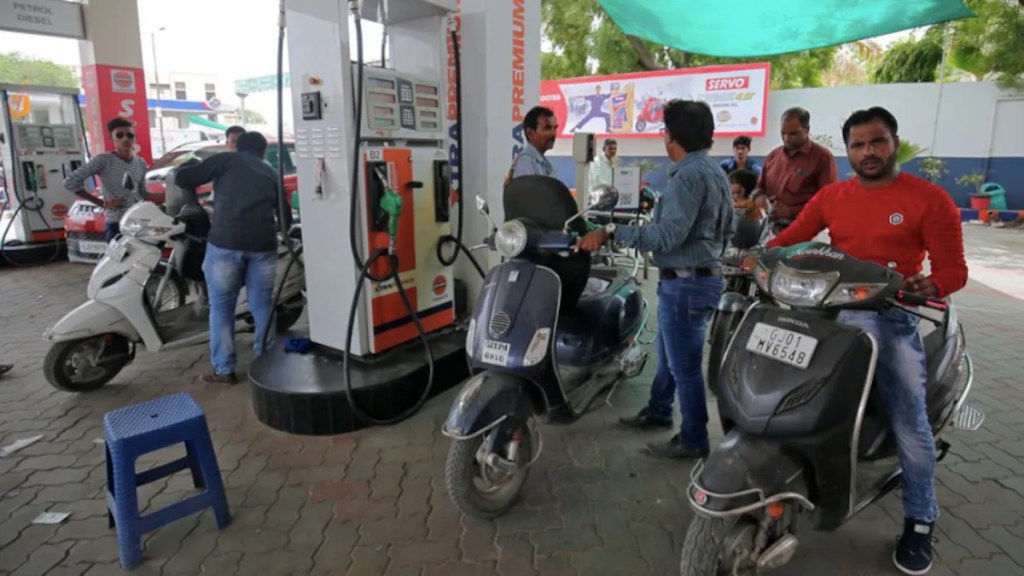
High tax rates on petrol and diesel significantly impact the cost of living and the overall economy. These taxes heavily contribute to the final retail prices of these fuels, thereby increasing transportation costs, goods prices, and overall inflation. For consumers, especially those in lower-income brackets, high fuel prices reduce disposable income and limit spending on essential goods and services. The high transportation costs due to expensive fuel lead to increased prices for goods and services, creating inflationary pressures that affect food prices and manufacturing costs. Consequently, high fuel prices slow economic growth by reducing consumer spending and increasing production costs. For businesses, particularly in logistics and transportation, high fuel costs erode profit margins and reduce competitiveness. Small and medium-sized enterprises (SMEs), which are more sensitive to cost fluctuations, struggle to absorb high fuel prices, leading to reduced investment, lower job creation, and slower economic expansion.
Historically, governments rarely reduce taxes once implemented. This trend suggests that even if economic normalcy returns post-pandemic, substantial tax cuts on fuel are unlikely. The high fuel prices disproportionately affect the poor, but reducing these taxes without a viable revenue replacement would be economically detrimental.
The resilience of fuel taxes is rooted in their administrative ease and substantial revenue generation. These taxes are relatively straightforward to collect, providing a steady revenue stream crucial for governmental budgets. Even with fluctuations in crude oil prices, taxes ensure consistent revenue, helping manage fiscal deficits and inflation.
The Indian government’s reliance on fuel taxes reflects a broader trend in tax policy, where indirect taxes are preferred for their efficiency and reliability. This reliance, however, imposes significant costs on consumers, particularly those in lower income brackets.
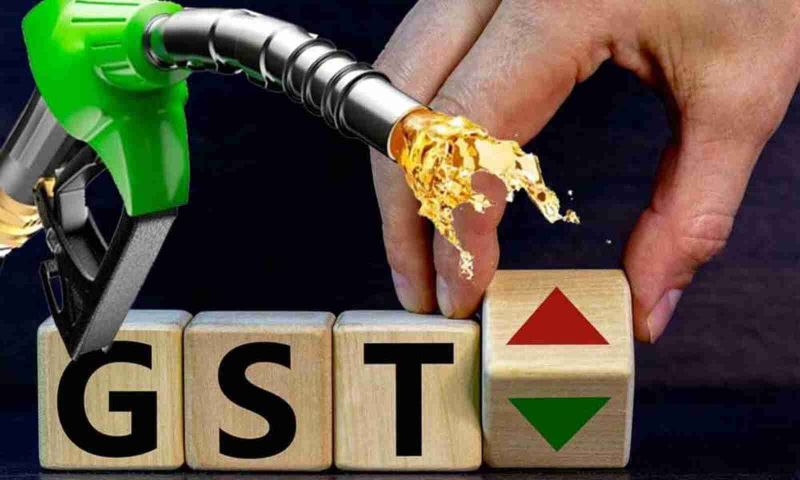
In conclusion, including petrol and diesel under GST would significantly lower consumer prices but also drastically cut government revenue. This shortfall would necessitate higher taxes elsewhere or reduced public spending, leading to broader economic repercussions. Given the critical role of fuel taxes in government finances, the political and economic challenges of such a shift make it unlikely in the near future. The taxation of petrol and diesel in India presents a multifaceted challenge, balancing government revenue needs with economic impacts on consumers and businesses. Integrating these fuels into the GST system could lower consumer prices but would create significant revenue shortfalls that would need to be addressed through other means. The current economic conditions and the importance of fuel taxes in government revenue make it unlikely that petrol and diesel will be included under GST soon. However, exploring alternatives such as reducing dependency on fossil fuels, enhancing tax collection efficiency, and diversifying revenue sources could help create a more balanced and sustainable tax system.
visit arjasrikanth.in for more insights
 SOCIAL PERSPECTIVES