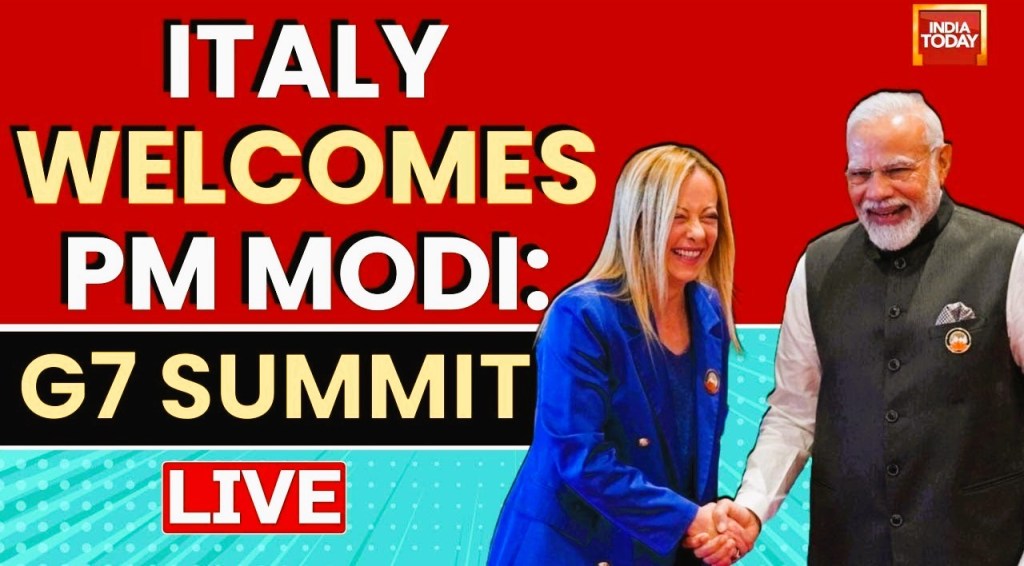
Charting a Course for Global Stability and Innovation
The G7 summit, which commenced on June 14, 2024, in Italy, convened leaders from the world’s seven wealthiest democracies against a backdrop of profound global challenges. This pivotal gathering aimed to tackle pressing issues with wide-reaching implications for international relations and economic stability. Prime Minister Narendra Modi’s attendance, marking his inaugural foreign trip of his third term, highlighted India’s escalating significance as an outreach nation. In particular, India’s role in the Indo-Pacific region was a focal point, underscoring its critical position in counterbalancing China’s increasing assertiveness.
The summit’s agenda was multifaceted, focusing on strengthening global partnerships, countering China’s expansion in the Indo-Pacific, addressing bilateral challenges between India and Canada, tackling global challenges like climate change and pandemic response, and discussing the implications for global relations and India’s strategic interests.
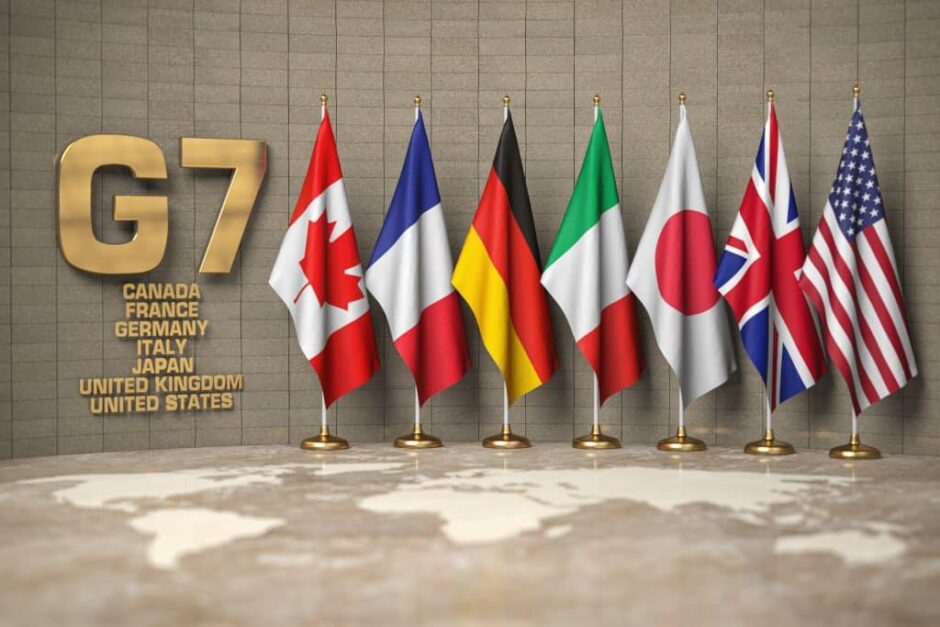
At the heart of the G7 summit was a concerted effort to enhance global partnerships and alliances. Leaders from Canada, France, Germany, Italy, Japan, the United Kingdom, the United States, and the European Union gathered to forge consensus on critical global issues. India’s role as a bridge between the global South and the world’s advanced economies was prominently featured, highlighting its strategic relationships with key nations like the United States and Japan. These alliances not only bolstered India’s geopolitical standing but also influenced global policies on trade, security, and sustainable development. The discussions aimed to foster collaboration on economic recovery post-pandemic, technological innovation, and ensuring equitable access to vaccines and healthcare.

Amidst growing concerns over China’s expanding influence in the Indo-Pacific, the G7 summit provided a critical platform for India to assert its strategic significance. Collaborative efforts with Southeast Asian nations aimed to promote regional stability and economic cooperation, countering China’s assertive policies. India’s significant investments in infrastructure and economic development have positioned it as a pivotal player in shaping the region’s geopolitical dynamics. Key discussions focused on enhancing maritime security, ensuring freedom of navigation, and promoting a rules-based order, all essential for maintaining stability amidst rising geopolitical tensions. By strengthening these alliances and asserting its role, India demonstrated its commitment to regional stability and its strategic importance in counterbalancing China’s influence. The summit underscored the necessity of united efforts to address the complex challenges in the Indo-Pacific, highlighting India’s proactive stance and leadership in fostering a cooperative and stable regional environment.

Prime Minister Modi’s interactions with Canadian Prime Minister Justin Trudeau at the G7 summit highlighted efforts to address complex bilateral challenges, including sensitive issues such as Sikh extremism. Both leaders engaged in constructive dialogue to foster cooperation while addressing mutual concerns. The intricacies of India-Canada relations, shaped by historical ties and contemporary issues, demanded diplomatic finesse to enhance bilateral trade, cultural exchange, and strategic cooperation. Discussions aimed to deepen collaboration in areas of mutual interest such as energy security, technology transfer, and combating global challenges like climate change and pandemics. This high-level engagement underscored the importance of building a resilient and multifaceted partnership, reflecting both nations’ commitment to working together on critical global issues. The summit provided a unique opportunity for India and Canada to strengthen their bilateral relations, emphasizing the need for continuous dialogue and collaboration to navigate shared challenges and capitalize on opportunities for mutual benefit.

The G7 summit agenda encompassed a wide range of global challenges, including climate change mitigation, pandemic response strategies, and governance of emerging technologies. India’s active participation highlighted its commitment to global solutions and technological innovation. Collaborative efforts among G7 countries aimed to establish frameworks for sustainable development, disaster resilience, and equitable distribution of vaccines and healthcare resources. India’s expertise in renewable energy, climate adaptation strategies, and digital governance played a crucial role in shaping global policies and fostering international cooperation. Discussions also focused on enhancing preparedness for future pandemics, strengthening healthcare systems, and leveraging technology for inclusive development. By participating in these discussions, India emphasized its role as a key player in addressing global issues, showcasing its ability to contribute significantly to international efforts aimed at creating a more sustainable and resilient world. The summit provided a platform for India to share its innovations and strategies, reinforcing its position as a leader in promoting global well-being and technological progress.

The outcomes of the G7 summit had profound implications for global relations and India’s strategic interests. India’s proactive engagement underscored its role in fostering inclusive growth, stability, and sustainable development worldwide. The summit catalyzed collaboration, consensus-building, and collective action among diverse nations, addressing shared challenges and opportunities in an interconnected world. Prime Minister Modi’s participation reflected India’s commitment to forming strategic partnerships, addressing bilateral concerns, and contributing to global initiatives on climate change, pandemic preparedness, and technological innovation. These efforts highlighted India’s growing influence and its capacity to drive international stability, economic resilience, and sustainable development. The summit marked a significant step towards a more interconnected and cooperative global community, positioning India as a key player in shaping global policies and promoting collaborative solutions to pressing global issues.

The multifaceted agenda of the G7 summit exemplified the intricate web of issues that global leaders must navigate. At the forefront of these discussions was the enhancement of global partnerships. The gathering of leaders from Canada, France, Germany, Italy, Japan, the United Kingdom, the United States, and the European Union was a testament to the importance of forging consensus on critical global challenges. India’s role as a bridge between the global South and the world’s advanced economies was a significant focus, highlighting its strategic relationships with key nations such as the United States and Japan. These alliances not only bolstered India’s geopolitical standing but also had a substantial impact on global policies related to trade, security, and sustainable development. The discussions were geared towards fostering collaboration on economic recovery in the post-pandemic era, technological innovation, and ensuring equitable access to vaccines and healthcare.
visit arjasrikanth.in for more insights
 SOCIAL PERSPECTIVES