
Votes Cast vs. Seats Won: A Measure of Electoral Maturity in Andhra Pradesh !!!
In democratic elections, the percentage of votes cast is often viewed as a reflection of the populace’s will. However, recent elections in Andhra Pradesh have revealed a significant discrepancy between the percentage of votes cast and the seats won by political parties. This disparity underscores the intricate nature of electoral dynamics, where factors beyond mere popular vote wield substantial influence.
Let’s delve into the case study of the 2019 Andhra Pradesh elections. Despite a robust voter turnout of 80.39%, with over 3.14 crore ballots cast, the Telugu Desam Party (TDP) secured a substantial 40.19% of the votes but only managed to win 23 seats, striking a mere 13%. In stark contrast, the YSR Congress Party (YSRCP) clinched a resounding victory with a commanding 49.89% vote share, translating into 151 out of the 175 assembly seats, boasting an impressive 86% strike rate.

The gap between seat allocation and vote percentages stems from the strategic distribution of votes across constituencies. The YSRCP concentrated its efforts on solidifying support in key strongholds, guaranteeing victories in crucial areas. Conversely, the TDP’s votes were spread thinly, hindering their chances of securing decisive wins in enough constituencies. Additionally, strategic alliance mismatches significantly impacted the election outcomes. The YSRCP effectively consolidated its support base, which greatly contributed to its resounding victory. These factors underscore the complexity of electoral dynamics and highlight the importance of strategic planning and coalition management in securing electoral success.
The 2024 Andhra Pradesh elections witnessed a noteworthy shift in the political landscape, accentuating the intricate interplay between vote shares and seat victories. The TDP secured a remarkable success, winning 136 out of 144 contested seats, boasting an impressive 94% strike rate with a 45.60% vote share. This marked a substantial increase from the 2019 elections, with a notable 30 lakh surge in votes. Similarly, the Jana Sena Party (JSP) displayed exceptional performance, securing victory in all 21 contested seats, boasting a flawless 100% strike rate with a 6.85% vote share, marking a significant increase from the previous election. In contrast, the YSR Congress Party witnessed a decline in votes, polling 24 lakh fewer votes compared to the last election, resulting in a diminished strike rate of 6.3% and winning only 11 out of 175 contested seats.
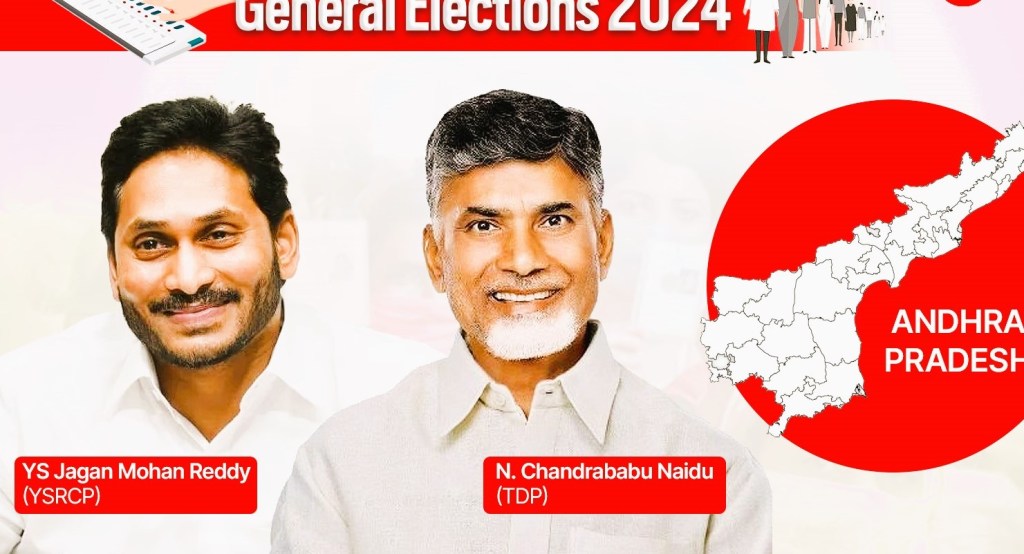
These outcomes underscore the nuanced nature of electoral politics, where factors such as anti-incumbency sentiments, regional dynamics, and wave factors significantly shape outcomes. The results challenge the notion that a higher vote share guarantees proportional seat allocation, emphasizing the multifaceted and unpredictable nature of elections. This paradigm shift in voting patterns and seat distribution reflects the evolving electorate’s maturity, providing a fertile ground for political analysis and future strategies.
The pivotal role played by the Pawan Kalyan Factor in uniting the TDP, JSP, and BJP on a single platform must not be overlooked. It is worth noting that despite a 24-lakh decrease in vote share, the YSRCP suffered a loss of 140 seats, whereas the JSP witnessed only a 5-lakh increase in vote share but secured victory in 21 seats with a flawless 100% strike rate.
Public dissatisfaction with the incumbent government, coupled with the resurgence of the TDP under N. Chandrababu Naidu’s leadership and the influence of Pawan Kalyan, significantly swayed voter sentiment. The strategic campaigning and mobilization by the Alliance in key constituencies further bolstered their gains. The observed disparities between votes cast and seats won challenge the traditional notion of proportional representation, underscoring the pivotal role played by strong organizational structures, effective campaign strategies, and charismatic leadership in securing higher seat victories despite lower vote percentages. This underscores the intricate and multifaceted dynamics of electoral politics, where voter sentiment, strategic planning, and influential leadership collectively shape outcomes.
The significant disparity between votes cast and seats won prompts critical reflections on the maturity and efficacy of current electoral systems. It underscores the potential ramifications for political parties if they disregard certain voter segments, risking both seat losses and diminished political influence.
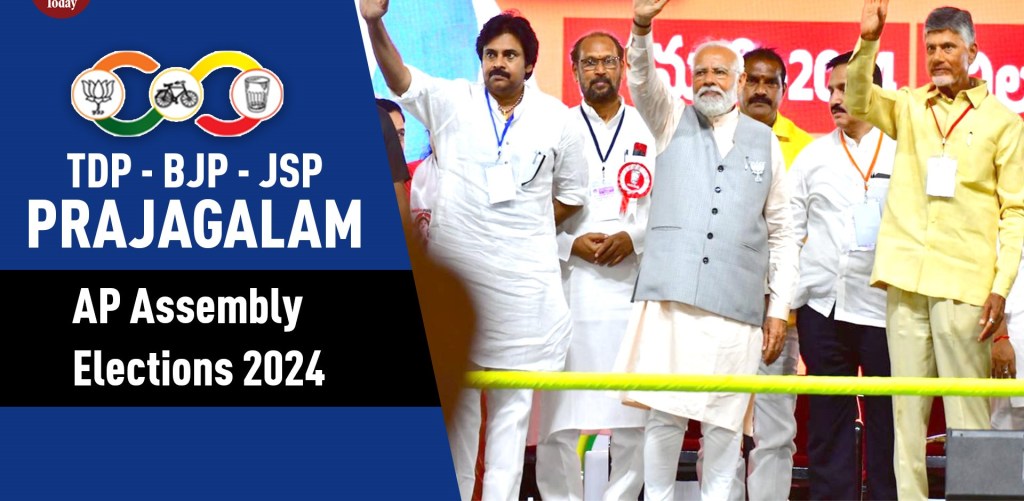
In conclusion, the recent elections in Andhra Pradesh, particularly the 2019 and 2024 polls, have spotlighted a substantial gap between the percentage of votes cast and the seats won by political parties, unveiling the intricate dynamics of electoral processes. Despite securing considerable vote shares, parties like the TDP and YSR Congress Party witnessed divergent outcomes in seat distribution, underscoring the multifaceted nature of electoral politics. The evolving electorate’s maturity necessitates a nuanced approach to electoral strategy, underpinned by strong organizational structures, effective campaign strategies, and charismatic leadership, to uphold democratic principles and attain governing authority.
visit arjasrikanth.in for more insights
 SOCIAL PERSPECTIVES