
The collapse of Sudan threatens millions with starvation, displacement, and despair.!!!
Sudan, a nation steeped in history and culture, is now grappling with an unprecedented humanitarian crisis that threatens the lives and livelihoods of millions. This multifaceted disaster, fuelled by relentless conflict, economic instability, and environmental challenges, demands urgent global attention and action.
The escalation of violence, particularly the fierce clashes between the Sudanese Armed Forces (SAF) and the paramilitary Rapid Support Forces (RSF), has compounded the country’s woes. Since the ousting of President Omar al-Bashir in 2018, Sudan has spiralled into civil war, marked by indiscriminate shelling, airstrikes, and egregious human rights violations. These violent upheavals have led to the displacement of millions, creating the world’s largest displacement crisis.
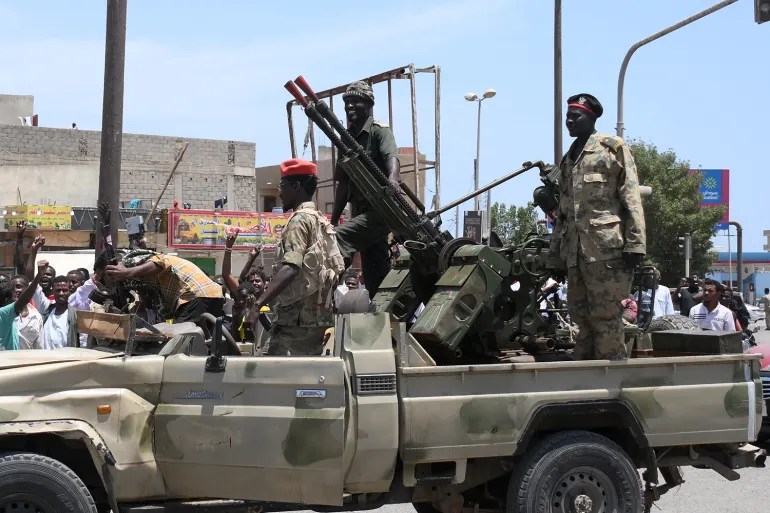
Adding to the turmoil, Sudan is teetering on the brink of famine. Conflict has decimated agricultural production, leading to soaring food prices and severe shortages. The most recent harvest yielded only a fraction of what is needed, leaving millions facing acute hunger. Humanitarian aid, critical to alleviating this crisis, struggles to reach those in need due to logistical challenges and impediments posed by both warring factions.
The humanitarian impact is staggering: half of Sudan’s population, around 25 million people, require urgent assistance. The conflict and economic collapse have led to widespread unemployment, hyperinflation, and a near-total breakdown of healthcare services. Over 8.6 million people have been displaced, both internally and as refugees in neighbouring countries, further straining already fragile humanitarian situations.
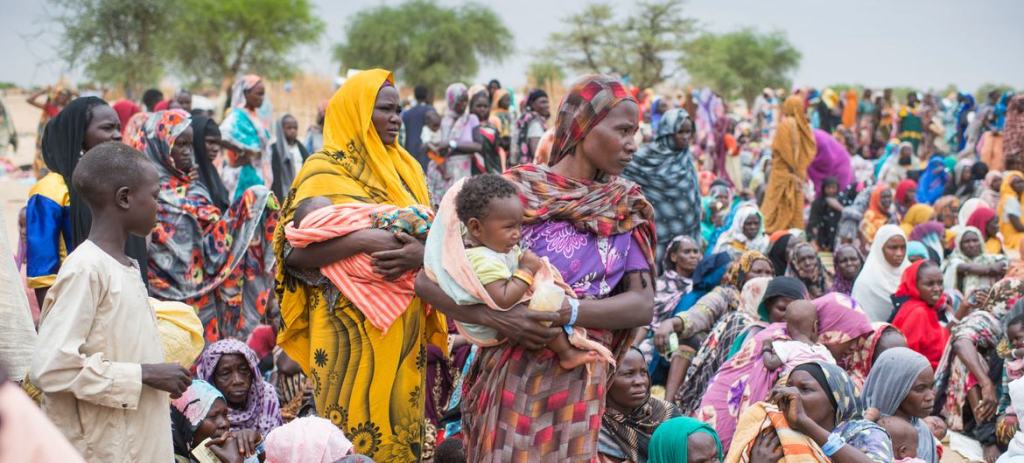
Despite the dire circumstances, there are efforts to address the crisis. International agencies like the UNHCR, IRC, and Mercy Corps are on the ground, providing essential services and support. However, funding shortages and access issues severely limit their ability to respond effectively. The international community’s support is crucial in scaling up these efforts to prevent further suffering.
In addition to the immediate humanitarian crisis, Sudan’s economic situation continues to deteriorate. Inflation has skyrocketed, rendering the Sudanese pound nearly worthless and making basic necessities unaffordable for most citizens. The agricultural sector, once the backbone of the Sudanese economy, has been decimated by ongoing conflict and adverse weather conditions, leading to widespread food insecurity. The displacement of millions has also disrupted local economies, further exacerbating the country’s economic woes.
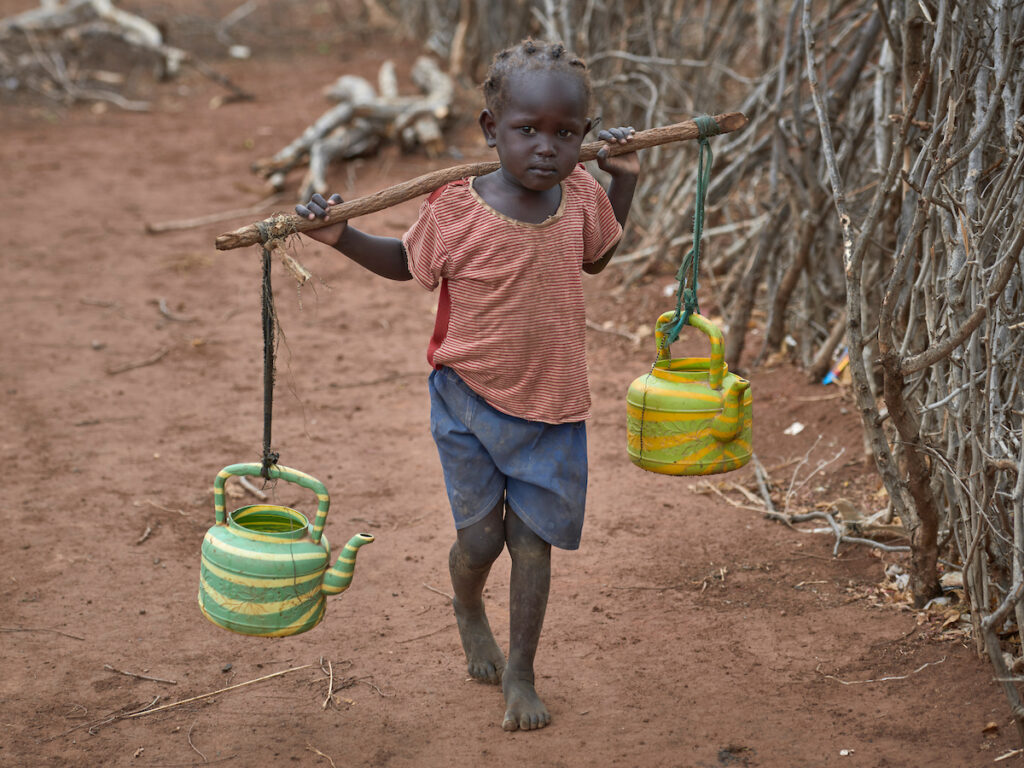
Environmental challenges, particularly those linked to climate change, have compounded Sudan’s crisis. Severe droughts and floods have destroyed crops and livestock, further straining food resources and driving up prices. These climate-related disasters have also displaced communities, adding to the already staggering number of internally displaced persons. The lack of adequate infrastructure and resources to deal with these environmental challenges has made it nearly impossible for Sudan to recover from these repeated shocks.
The conflict has also taken a severe toll on Sudan’s health system. Hospitals and clinics have been targeted in attacks, leaving them unable to operate and depriving millions of access to essential medical care. The spread of diseases such as cholera, measles, and malaria has further compounded the health crisis, with children being particularly vulnerable. The lack of clean water and sanitation facilities has exacerbated the spread of these diseases, making it even more difficult to contain outbreaks and provide adequate healthcare.

The international community has a critical role to play in addressing the crisis in Sudan. Increased funding and resources are urgently needed to provide humanitarian aid, rebuild infrastructure, and support economic recovery. Diplomatic efforts must be intensified to facilitate a peaceful resolution to the conflict and ensure that humanitarian assistance can reach those in need. The international community must also support efforts to address the root causes of the crisis, including economic instability, environmental degradation, and political instability.
Despite the enormous challenges, there are glimmers of hope. Sudanese civil society organizations and local communities have shown remarkable resilience and ingenuity in the face of adversity. They have been instrumental in providing support to those affected by the crisis and advocating for peace and justice. Their efforts must be supported and amplified by the international community to ensure a sustainable and inclusive recovery for Sudan.

The international community must also recognize the regional implications of the crisis in Sudan. The displacement of millions of people has placed a significant burden on neighbouring countries, including Chad, Egypt, South Sudan, Ethiopia, and the Central African Republic. These countries, already grappling with their own challenges, are struggling to provide for the influx of refugees and address their needs. The international community must provide support to these countries to ensure that they can continue to offer refuge to those fleeing the conflict and prevent further destabilization of the region.
The path to a peaceful and prosperous Sudan is fraught with challenges, but it is not insurmountable. With concerted efforts and unwavering commitment from the international community, Sudan can overcome this crisis and build a brighter future for its people. The time to act is now. Every day that passes without decisive action leads to more suffering and loss of life. The world must stand with Sudan in its darkest hour and work together to bring an end to this devastating crisis.

The crisis in Sudan is a stark reminder of the urgent need for global solidarity and action. As the country faces conflict, famine, and a humanitarian disaster of epic proportions, the time to act is now. The international community must come together to provide vital aid, support peacebuilding initiatives, and help rebuild Sudan’s shattered infrastructure. Every moment counts in saving lives and restoring hope to a nation in turmoil. The world cannot afford to look away; we must stand with Sudan in its darkest hour.
visit arjasrikanth.in for more insights
 SOCIAL PERSPECTIVES