
Navigating the Nexus of Challenges and Opportunities in the World of Auditing
In the fast-paced world of finance, where every dollar and cent matters, the role of auditors is paramount. They are entrusted with the task of ensuring financial transparency and accountability, safeguarding investor interests, and upholding the integrity of the financial system. At the forefront of this responsibility are the Big Four audit firms – Deloitte, KPMG, PricewaterhouseCoopers (PwC), and Ernst & Young (EY). Yet, recent years have seen these industry giants come under intense scrutiny for their involvement in a string of scandals, both in India and on the global stage.

Recently China is poised to impose a record fine on PricewaterhouseCoopers LLP for its role in the China Evergrande Group financial fraud case. The Ministry of Finance is expected to announce penalties, including a potential fine of at least 1 billion yuan ($138 million), and may suspend some local operations of PwC’s Chinese arm, PricewaterhouseCoopers Zhong Tian LLP. This action follows heightened scrutiny on financial risks, with President Xi Jinping emphasizing stronger financial oversight. The anticipated fine surpasses the previous record of 212 million yuan imposed on Deloitte in 2023. PwC’s involvement in the Evergrande case has also faced scrutiny in other jurisdictions.

One of the most egregious examples of misconduct comes from down under, where PwC found itself embroiled in a tax scandal of epic proportions. The saga unfolded in 2015 when it was revealed that PwC had abused Australian government secrets to benefit itself and its clients. By leaking secret Australian tax plans to corporations like Google, PwC enabled these entities to circumvent laws they had a hand in creating. The public disclosure of this corruption in 2022 sent shockwaves through the industry, implicating PwC Australia’s CEO and leading to widespread condemnation. The fallout was swift and severe, with Westpac terminating its auditing relationship with PwC, signalling a loss of trust that reverberated throughout the financial sector.
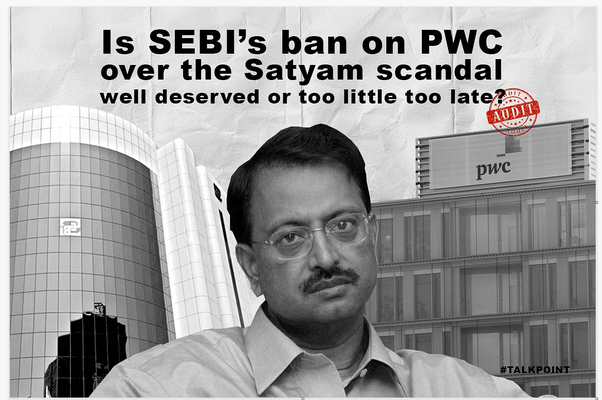
But the malaise extends beyond the shores of Australia, casting a dark shadow over the entire audit industry. The Big Four, including PwC and EY, have been embroiled in a litany of scandals over the years, raising serious questions about their practices and accountability. From the Freddie Mac Scandal in 2003 to the Lehman Brothers Scandal in 2008, these firms have found themselves at the centre of controversy time and again. Closer to home, the Satyam Scandal in 2009 rocked the Indian financial landscape, with PwC facing intense scrutiny for its role in the debacle. These scandals have laid bare the myriad challenges facing the audit industry, from compliance issues and technological advancements to mental health concerns among employees.

The recent KPMG scandal in the Netherlands serves as a stark reminder of the ongoing issues within the industry. The firm was fined a record $25 million for cheating on mandatory internal training exams, exposing serious lapses in audit quality and professionalism. This egregious behavior not only undermines the credibility of the firm but also raises serious doubts about the efficacy of auditing practices. In an industry built on trust and integrity, such transgressions cannot be taken lightly.

In 2023, the National Company Law Tribunal (NCLT) banned the Big Four audit firms – Deloitte, KPMG, PwC, and Ernst & Young (EY) – from auditing for five years due to their alleged involvement in the IL&FS Group scam. This decision sparked intense scrutiny over the integrity and accountability of these firms. The ban highlighted the urgent need for robust regulatory oversight and ethical governance in the auditing industry. Investigations by the Securities and Exchange Board of India (SEBI) and the Reserve Bank of India (RBI) revealed systemic misconduct, leading to significant repercussions for PwC and EY. Despite progress, the Big Four’s entrenched influence and resources pose challenges to swift reform. The pursuit of accountability must remain steadfast, emphasizing ethical standards and transparency. As auditing evolves with technological advancements and market changes, regulators and industry stakeholders must collaborate to navigate complexities and build a resilient, accountable ecosystem. In India, the unethical activities of these global audit firms underscore the ongoing need for vigilance and reform in the industry.

But perhaps the most damning indictment of the Big Four comes from within their own ranks. A survey found that a staggering 71% of employees at these firms reported that their mental health suffered due to work pressures, with over half considering resigning because of wellbeing issues. The demanding work culture, long hours, and high-stakes nature of the job have taken a toll on employees, leading to burnout and turnover at alarming rates. In an industry that prides itself on professionalism and excellence, such revelations are deeply concerning.
As the audit industry grapples with these myriad challenges, the imperative of reform has never been clearer. Stronger oversight and accountability measures are needed to address systemic issues within the industry and restore trust and confidence among stakeholders. Regulators must step up efforts to hold audit firms accountable for their actions, imposing stiff penalties for ethical lapses and ensuring greater transparency in auditing practices. At the same time, audit firms must prioritize the wellbeing of their employees, fostering a culture of work-life balance and mental health support.

In conclusion, the Big Four audit firms find themselves at a crossroads, facing intense scrutiny and growing calls for reform. The scandals that have rocked the industry serve as a wake-up call, highlighting the urgent need for change. Only by addressing the root causes of these issues and committing to a comprehensive overhaul of auditing practices can the industry regain the trust of the public and fulfil its vital role in maintaining the integrity of financial markets. The road ahead may be challenging, but with determination and collective effort, a more transparent, accountable, and ethical auditing ecosystem can be forged for the benefit of all stakeholders involved.
visit arjasrikanth.in for more insights
 SOCIAL PERSPECTIVES