
“In a world where social media rules supreme, Elon Musk sounds the alarm on the dangers of unbridled screen time. Dive into the digital age’s challenges and solutions for safeguarding our children’s mental well-being.”
In today’s digital age, social media has seamlessly integrated into the fabric of our lives, becoming an integral part of daily routines for people of all ages. However, amidst the convenience and connectivity it offers, concerns have emerged regarding the detrimental effects of excessive social media usage, particularly on children’s mental well-being. Elon Musk, the visionary entrepreneur renowned for his groundbreaking innovations, has emerged as a vocal critic of unchecked social media consumption, especially among the younger demographic. As a father of nine children, Musk’s concerns are deeply rooted in his understanding of the potential consequences of unrestricted access to social media platforms. This article aims to delve into Musk’s insights and explore the competitive landscape of social media AI algorithms that he warns about. Additionally, it will examine the devastating effects of unregulated screen time on children’s development and offer practical guidelines for parents to safeguard their children’s mental health in the digital age.
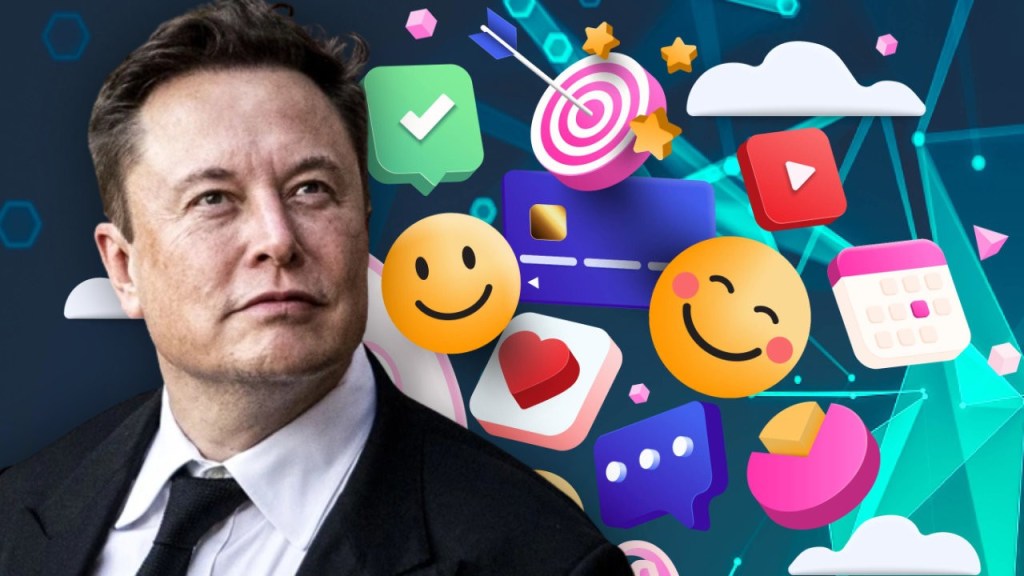
Elon Musk’s concerns regarding the negative impact of social media on children’s minds stem from his observation of the intense competition between social media AI algorithms. These algorithms, designed to maximize user engagement and retention, create an environment where individuals, particularly children, are constantly bombarded with tailored content aimed at capturing their attention. The fundamental concepts of AI algorithms involve sophisticated data analysis and machine learning techniques, enabling platforms to predict user preferences and behavior with remarkable accuracy. As a result, social media platforms can curate personalized feeds that cater to each user’s interests, fostering a highly addictive user experience. This addictive nature of social media, characterized by the continuous cycle of scrolling, liking, and sharing, can trigger dopamine rushes in users, leading to compulsive behavior patterns and prolonged screen time.

The detrimental effects of excessive social media use on children’s development cannot be overstated. Particularly vulnerable during critical developmental stages, children are susceptible to various negative consequences associated with prolonged screen time. The impact extends beyond mere distraction, affecting crucial aspects of speech, language, communication, and overall cognitive development. Research suggests that excessive screen time can impair language acquisition, hinder social interaction skills, and disrupt emotional regulation processes. Face-to-face interactions, essential for language development and emotional intelligence, are often replaced by virtual interactions mediated through screens, leading to a decline in interpersonal communication skills. Moreover, the constant exposure to curated content on social media platforms can contribute to the formation of unrealistic expectations, body image issues, and a skewed perception of reality among young users. Despite these challenges, parents find themselves grappling with the daunting task of balancing their children’s screen time while navigating the demands of modern-day living.
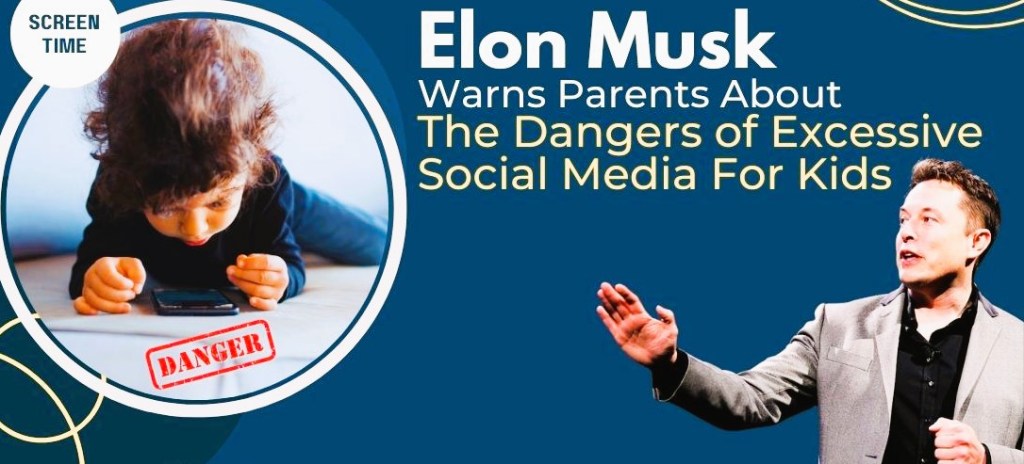
To address the growing concerns raised by Elon Musk and experts in the field, it is imperative to establish guidelines for regulating children’s screen time effectively. The Indian Academy of Pediatrics recommends age-specific recommendations for screen time, advocating for zero screen time for children below two years old and limiting screen time to one hour for children between two and five years old. For children above the age of six, consistent limits on both the duration and type of social media usage are crucial for promoting healthy digital habits. Parents play a pivotal role in enforcing these guidelines and fostering a balanced approach to screen time management. By setting clear boundaries, promoting alternative activities, and leading by example, parents can create a supportive environment that encourages healthy screen time habits among their children.

Celebrity examples, including notable figures like Mark Zuckerberg, Angelina Jolie, and Bill Gates, offer valuable insights into effective strategies for managing children’s screen time. These individuals have taken proactive measures to limit their children’s exposure to social media and digital devices, emphasizing the importance of prioritizing real-world experiences over virtual interactions. Additionally, the potential of AI safeguards to protect children from harmful content and mitigate the adverse effects of excessive screen time cannot be overlooked. Social media companies bear a significant responsibility in ensuring the well-being of their users, especially children, by implementing robust safety measures and promoting user-friendly features that prioritize mental health and digital well-being.

In conclusion, Elon Musk’s concerns regarding the impact of social media on children’s minds underscore the urgent need for collective action to address the challenges posed by excessive screen time and unregulated social media usage. By understanding the competitive dynamics of social media AI algorithms and implementing practical guidelines for regulating screen time, parents can empower their children to navigate the digital landscape responsibly. Moreover, the role of AI safeguards and the accountability of social media companies in promoting user well-being cannot be overstated. As we strive to create a balanced digital environment for the next generation, it is essential to prioritize the mental health and development of children, ensuring that they reap the benefits of technology while mitigating its potential risks. Ultimately, by fostering a culture of digital literacy, mindfulness, and responsible usage, we can create a safer and more inclusive digital world for all.
visit arjasrikanth.in for more insights
 SOCIAL PERSPECTIVES