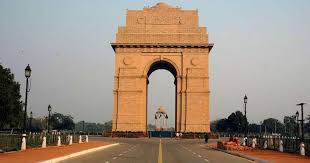
“Surviving the Smog: Delhi’s Battle Against Environmental Armageddon“
Delhi, the vibrant and bustling capital of India, finds itself at the epicentre of a relentless battle against a myriad of environmental crises that threaten the health and well-being of its citizens. From the suffocating grip of air pollution to the looming spectre of water scarcity and the relentless march of unsustainable urban development, the challenges facing Delhi are multifaceted and complex. In the face of these adversities, the resilience of its residents and the determination of its policymakers are put to the ultimate test.
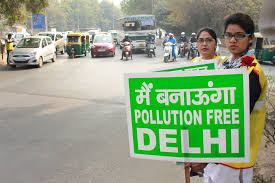
At the heart of Delhi’s environmental woes lies its notorious air pollution crisis, ranking among the most severe globally. A deadly combination of factors, including vehicular emissions, industrial activities, and agricultural burning in neighbouring states, converge to choke the city with hazardous levels of particulate matter and toxins. Despite efforts to alleviate the situation through initiatives like the odd-even vehicle rationing scheme and the promotion of electric vehicles, Delhi continues to grapple with dangerously polluted air, posing grave risks to public health.
The crisis prompts the government to implement measures like promoting public transportation, establishing pollution control mechanisms, and conducting awareness campaigns. However, pollution persists, with PM 2.5 levels exceeding 400 in November 2023, significantly impacting the Air Quality Index.
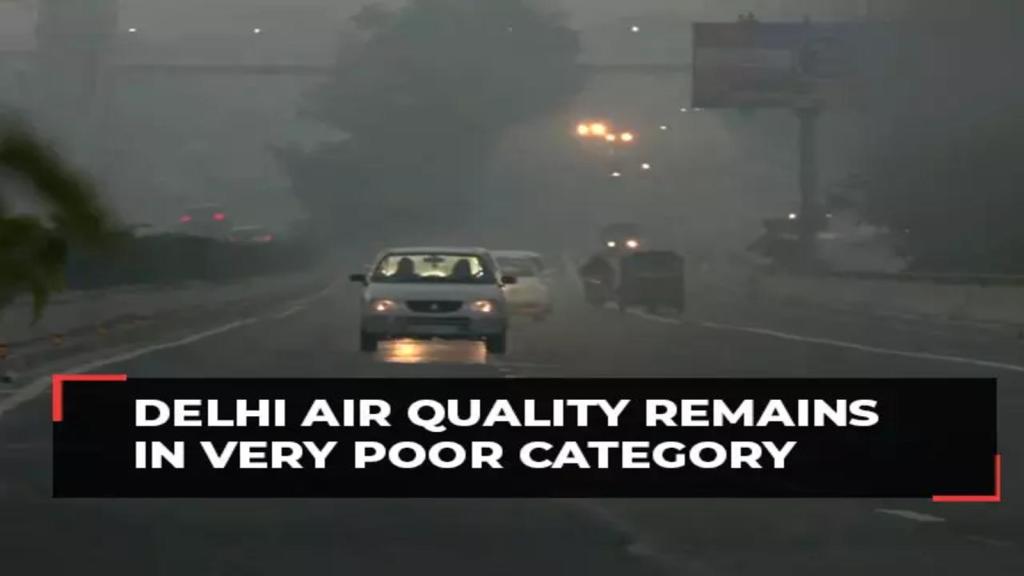
Delhi’s pollution crisis is particularly severe during winter due to factors like crop burning, industrial emissions, low wind speeds, and festival firecrackers. The detrimental effects on health are evident, with residents facing reduced life expectancy compared to WHO guidelines. Despite ongoing efforts, tackling Delhi’s air pollution remains a pressing concern for public health and environmental sustainability.
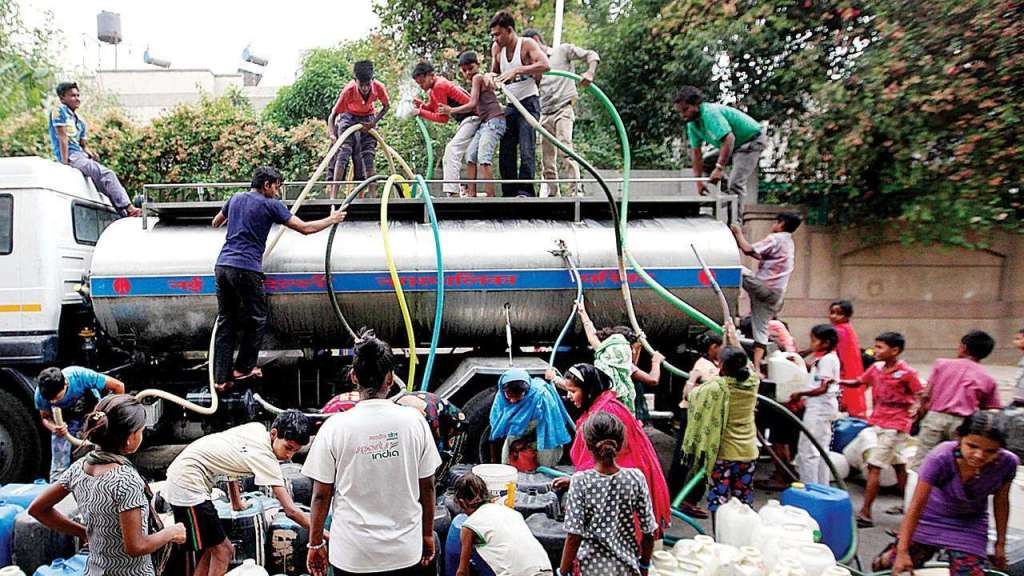
Water scarcity in Delhi presents a pressing challenge as the demand for water surpasses the available supply. This imbalance intensifies due to the city’s burgeoning population and rapid urbanization, exerting immense pressure on already strained water resources. The Delhi Jal Board grapples with sourcing water from various avenues like the Yamuna, Ganga, Haryana, tube wells, and Ranney wells. Chief Minister Arvind Kejriwal endeavours to combat water contamination, scarcity, production challenges, and the delayed construction of essential infrastructure like the ammonia treatment plant.
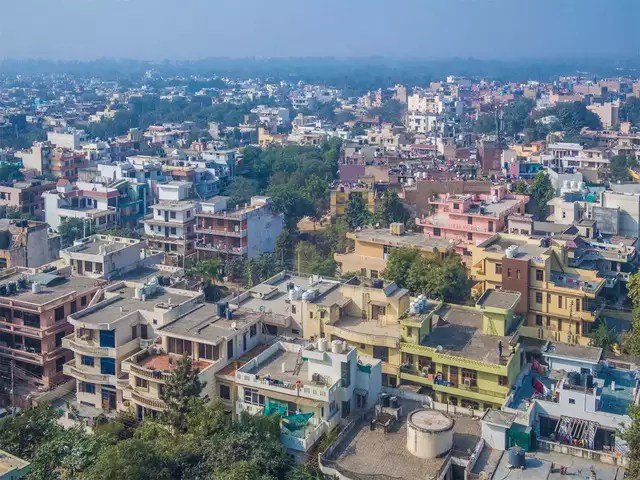
Conflicts over water arise primarily due to its essential nature for basic human needs and its limited availability. Freshwater resources are pivotal for potable water, irrigation, and electricity generation, exacerbating disputes over allocation and access. The recent crisis of power shortages in two water treatment plants, Sonia Vihar and Bhagirathi, has further compounded the challenges. These power disruptions have significantly reduced water production, exacerbating the already critical situation of water scarcity in Delhi.
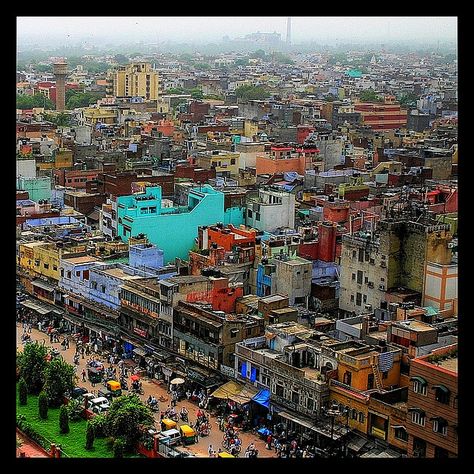
The rapid urbanization and unplanned expansion of Delhi have precipitated the encroachment upon ecologically sensitive areas and the depletion of green spaces. This unchecked growth has given rise to informal settlements lacking basic amenities, exacerbating social inequalities and environmental degradation. Despite efforts to address these issues through urban planning initiatives, resistance from central authorities hampers progress, perpetuating unsustainable development practices.
Research indicates that densely built parts of Delhi experience significantly higher temperatures in the wintertime compared to undeveloped regions, with variations ranging from 7°C to 9°C. Moreover, sprawling cities like Delhi exacerbate environmental concerns such as traffic congestion, greenhouse gas emissions, and air pollution.
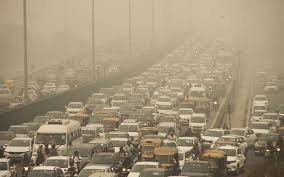
Delhi faces a myriad of urban issues, including housing shortages, inadequate waste disposal systems, public transport challenges, power shortages, and security concerns. Among the environmental challenges plaguing the city are air and water pollution, loss of biodiversity, municipal waste, and noise pollution. These issues stem from various sources, including transportation, industrial activities, road dust, and emissions from pollutants.
Unplanned urban expansion in Delhi has led to several adverse implications, including the proliferation of slums, shortage and deterioration of housing, scarcity of water resources, pollution of water bodies due to inadequate sewerage systems, and exponential growth in the production of waste, particularly hazardous materials like plastics and metals. Additionally, the strain on the city’s limited environmental resources has resulted in environmental problems such as air, water, and noise pollution, loss of biodiversity, and increased municipal waste.
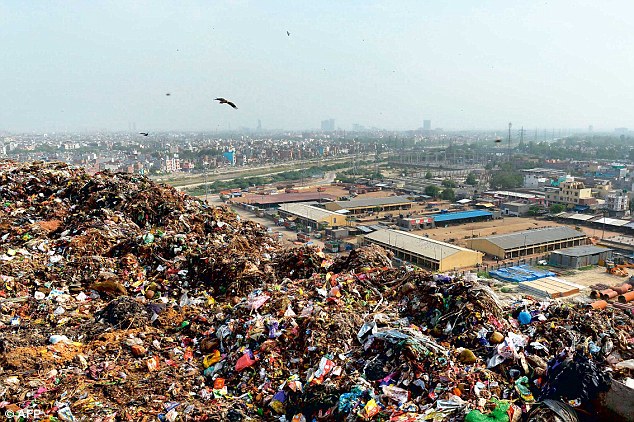
Delhi faces severe environmental challenges, with worsening air quality, water scarcity, and inadequate infrastructure impacting residents’ health and straining resources. Air pollution, primarily from road dust and industrial emissions, poses a significant threat, exacerbated by slow-moving traffic and diesel-powered vehicles. The Yamuna River suffers from untreated sewage and industrial waste, leading to water pollution and limited freshwater availability downstream. Urban expansion and deforestation contribute to biodiversity loss, disrupting ecosystems. Waste management is a pressing issue, with the city generating 13,000 tons of waste daily, expected to increase by 2031. Overcrowding, resource overuse, and noise pollution compound these challenges, along with the risk of disasters like epidemics and fires. Addressing these issues is crucial for safeguarding residents’ well-being and ensuring a sustainable future for Delhi.

Addressing Delhi’s environmental challenges demands a unified effort from both state and federal authorities, focusing on citizen well-being above political interests. Collaboration is vital to enact effective policies for pollution mitigation, water security, and sustainable development. Initiatives must target improvements in air and water quality, healthcare, education, poverty alleviation, and infrastructure. Investments in public transportation and green spaces can enhance residents’ comfort and convenience while promoting mental health. Delhi aims for sustainability by increasing green cover to 25% by 2030, with plans to plant 1 million trees and 500,000 shrubs annually. To combat air pollution, measures include banning coal use, expanding LPG usage, and controlling waste burning and construction emissions. Implementing windbreakers and chutes during concrete batching can further curb pollution levels.
visit arjasrikanth.in for more insights
 SOCIAL PERSPECTIVES