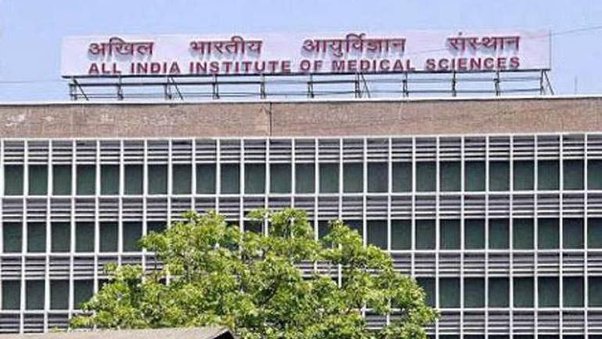
Celebrating a Legacy of Excellence in Medical Innovation, Education, and Patient Care
The All India Institute of Medical Sciences (AIIMS) New Delhi is more than an educational institution; it is a symbol of medical excellence, innovation, and a dream destination for aspiring medical professionals. Celebrating its Foundation Day on June 2nd, AIIMS New Delhi has grown into a premier medical research institute both nationally and internationally. For every medical student in India, studying or working at AIIMS New Delhi is the ultimate dream, and on its foundation day, the entire nation celebrates the institution’s glory. This article delves into the illustrious history, groundbreaking achievements, and the indelible mark AIIMS New Delhi has left on the medical field and healthcare.

The story of AIIMS New Delhi began in 1946 with a recommendation by the Health Survey of the Government of India. The idea was to create an institute that would set the highest standards in medical education, research, and patient care. The vision was realized when the foundation stone was laid in 1952, and AIIMS was established on June 2, 1956, as an autonomous institution through an Act of Parliament. Initially proposed to be established in Calcutta, it was ultimately set up in New Delhi due to the refusal of West Bengal’s Chief Minister. The then Prime Minister of India, Jawaharlal Nehru, and the first Health Minister, Rajkumari Amrit Kaur, played pivotal roles in bringing AIIMS into existence. The AIIMS Act of 1956 set the stage for the institute to serve as a nucleus for nurturing excellence in all aspects of healthcare.
The early years of AIIMS were marked by the challenges of building an institution from the ground up. Despite these challenges, AIIMS quickly established itself as a center of excellence. The faculty, many of whom were trained in the best institutions around the world, brought with them a wealth of knowledge and experience. This foundation allowed AIIMS to rapidly develop a reputation for high standards in medical education and patient care. AIIMS New Delhi has been at the forefront of numerous pioneering medical procedures. It is renowned for performing the first successful cardiac transplant in India, a milestone achieved by Dr. P. Venugopal in 1994. This achievement not only placed AIIMS on the global map but also paved the way for the development of cardiac surgery in India. The institute is also a leader in stem cell therapy, particularly for cardiac and neurological conditions. Its reputation as a pioneer in minimally invasive surgery was established through collaborations with international institutions like those in Germany.

In addition to cardiac transplants, AIIMS has been instrumental in performing other complex surgeries and treatments. The institute’s expertise in neurosurgery, oncology, and organ transplants has saved countless lives and contributed significantly to medical science. AIIMS has also developed advanced techniques in laparoscopic surgery, reducing recovery times and improving patient outcomes. AIIMS has made significant contributions to medical research. Dr. A.S. Paintal, a prominent physiologist at AIIMS, discovered the J receptors in the lungs, which are crucial for understanding respiratory functions. This discovery has had a profound impact on the field of respiratory medicine and has led to better treatment options for patients with respiratory diseases. The institute has also developed innovative treatments like Pulse Therapy for Pemphigus Vulgaris, significantly reducing the mortality rate of this deadly disease. This treatment, developed by Dr. S. K. Pasricha, has revolutionized the management of autoimmune diseases and has been adopted worldwide.

Research at AIIMS is not limited to clinical medicine. The institute has a strong focus on public health research, addressing issues such as infectious diseases, maternal and child health, and non-communicable diseases. AIIMS researchers have played a critical role in understanding and controlling diseases such as tuberculosis, HIV/AIDS, and malaria. The institute’s work in epidemiology and biostatistics has also contributed to better health policies and programs in India and beyond. The RP Centre for Ophthalmology at AIIMS is the largest eye hospital in Southeast Asia, providing cutting-edge treatments and conducting vital research in eye care. The centre is renowned for its work in cataract surgery, corneal transplants, and retinal diseases. It also serves as a training ground for ophthalmologists from around the world, sharing best practices and advancing the field of eye care. In February 2008, AIIMS set up the first public sector in-vitro fertilization (IVF) facility, offering hope to countless couples facing fertility issues. The IVF centre at AIIMS has been instrumental in providing affordable and effective fertility treatments to thousands of patients. The centre’s success rates are comparable to the best in the world, and it has become a model for other public sector IVF centres in India.
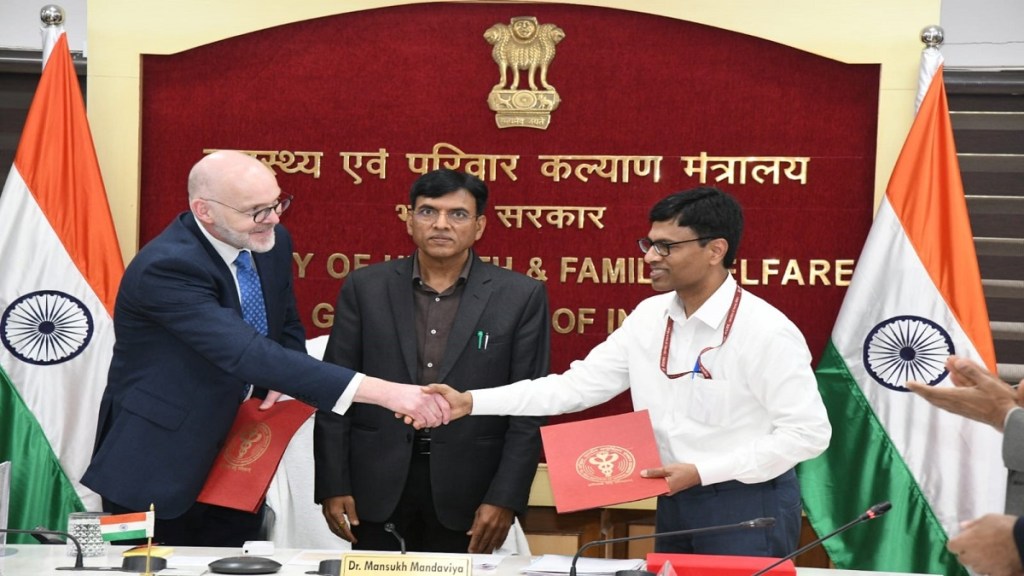
AIIMS New Delhi’s excellence is recognized globally. It was ranked 204th in the world and first in South Asia in the category of Life Sciences and Medicine by QS World University Rankings in 2022. Newsweek included it in the World’s Best Hospitals 2020 – Top 100, and Ceoworld Magazine ranked it 22nd globally. These rankings reflect AIIMS’s commitment to maintaining high standards in medical education, research, and patient care. AIIMS’s international collaborations and partnerships have further enhanced its reputation. The institute has established research partnerships with leading medical institutions around the world, including the Mayo Clinic, Johns Hopkins University, and the Karolinska Institute. These collaborations have led to ground breaking research and the exchange of knowledge and expertise. AIIMS also participates in international health initiatives and programs. The institute has been involved in global health projects funded by organizations such as the World Health Organization (WHO), the Bill & Melinda Gates Foundation, and the National Institutes of Health (NIH). These projects address critical health issues such as infectious diseases, maternal and child health, and non-communicable diseases.

Nationally, AIIMS New Delhi consistently ranks as the top medical college in India. It secured the first position with a score of 91.60 among medical colleges in the National Institutional Ranking Framework (NIRF) in 2022. Prestigious awards like the Kayakalp Award for maintaining cleanliness within the institute’s premises for three consecutive years underscore its commitment to excellence. AIIMS’s leadership in medical education is reflected in its curriculum, which is regularly updated to incorporate the latest advancements in medical science and technology. The institute’s faculty members are leaders in their respective fields, and they bring their expertise and experience to the classroom, providing students with a world-class education. AIIMS also plays a crucial role in healthcare delivery in India. The institute provides advanced medical care to patients from all over the country, including those from remote and underserved areas. AIIMS’s commitment to patient care is reflected in its state-of-the-art facilities, highly trained medical staff, and focus on providing compassionate and personalized care.
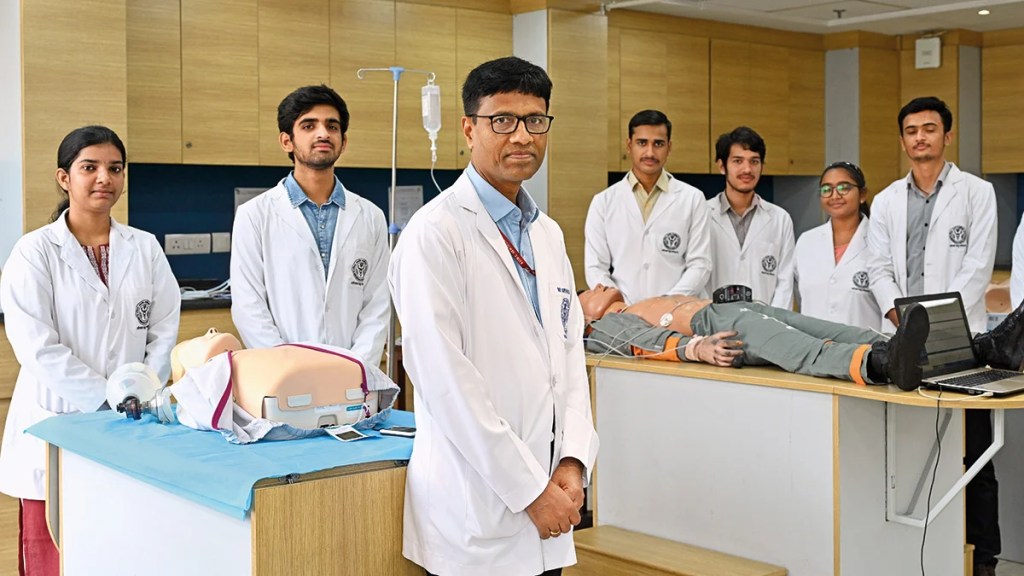
The MBBS program at AIIMS is one of the most sought-after medical courses in India. Admission is conducted through the National Eligibility cum Entrance Test (NEET), ensuring that only the brightest and most passionate students are selected. The rigorous curriculum and extensive hands-on training prepare students to become compassionate and skilled healthcare professionals. The MBBS program at AIIMS is known for its comprehensive and integrated approach to medical education. The curriculum includes basic medical sciences, clinical skills, and hands-on training in various specialties. Students are exposed to a wide range of clinical cases, providing them with a solid foundation in medical practice. AIIMS also emphasizes the development of critical thinking and problem-solving skills. Students are encouraged to engage in research and participate in academic discussions and debates. The institute’s focus on holistic education ensures that graduates are well-rounded and capable of addressing the complex challenges of modern healthcare. AIIMS also offers a range of postgraduate and doctoral programs, attracting medical professionals from across the globe. These programs emphasize research, advanced clinical training, and the development of specialized skills, contributing to the institute’s reputation as a leader in medical education. The postgraduate programs at AIIMS cover a wide range of specialties, including surgery, internal medicine, paediatrics, obstetrics and gynaecology, and psychiatry. The programs are designed to provide in-depth knowledge and hands-on experience in the chosen specialty. Trainees work closely with experienced faculty members, gaining valuable insights and skills. The doctoral programs at AIIMS focus on advanced research in various fields of medicine and healthcare. PhD students at AIIMS have the opportunity to work on cutting-edge research projects, contributing to the advancement of medical science. The institute provides state-of-the-art research facilities and support, enabling students to pursue their research interests.
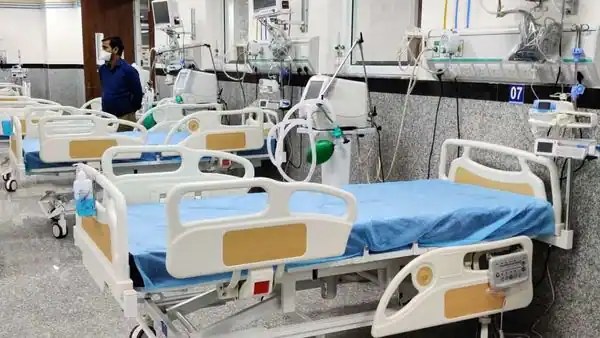
AIIMS New Delhi boasts world-class infrastructure, including modern classrooms, well-equipped laboratories, and advanced research facilities. The institute is also home to several specialty centres, including the Cardiothoracic and Neurosciences Centre, the Cancer Centre, the Centre for Ophthalmic Sciences, and the Centre for Dental Education and Research. The infrastructure at AIIMS is designed to support both education and patient care. The classrooms and lecture halls are equipped with the latest audio-visual technology, facilitating interactive learning. The laboratories are equipped with advanced equipment and instruments, allowing students and researchers to conduct high-quality research. The specialty centers at AIIMS provide comprehensive care in various medical fields. The Cardiothoracic and Neurosciences Centre, for example, is a leading center for the treatment of heart and neurological disorders. The Cancer Centre offers advanced treatments for various types of cancer, including chemotherapy, radiation therapy, and surgical oncology. The Centre for Ophthalmic Sciences is a leader in eye care, providing treatments for a wide range of eye conditions. The Centre for Dental Education and Research is a pioneer in dental care and research, offering advanced treatments and conducting research in various fields of dentistry.
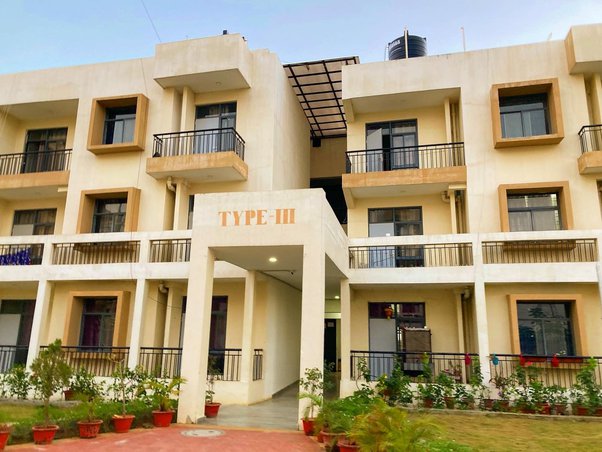
AIIMS provides excellent residential facilities for its students, with hostels that are considered among the best in India. The campus also includes recreational facilities, ensuring a balanced and enriching environment for students and staff. The hostels at AIIMS are equipped with modern amenities, providing a comfortable living environment for students. The hostels are designed to promote a sense of community and provide opportunities for social interaction and extracurricular activities. The campus also includes sports facilities, a gymnasium, and cultural centers, offering students a variety of recreational options. The residential facilities at AIIMS are not limited to students. The institute also provides accommodation for faculty members and staff, ensuring that they can focus on their work without worrying about housing. The residential areas are designed to provide a safe and comfortable environment for families, with access to schools, shopping centres, and healthcare facilities.

AIIMS New Delhi has always been at the cutting edge of medical research and innovation. The institute’s research centers are involved in numerous projects aimed at advancing medical science and improving patient care. From pioneering cardiac procedures to developing new treatments for neurological conditions, AIIMS continues to push the boundaries of medical knowledge. AIIMS’s research programs cover a wide range of fields, including basic medical sciences, clinical research, public health, and health policy. The institute’s researchers are involved in projects that address critical health issues, such as infectious diseases, non-communicable diseases, maternal and child health, and health systems strengthening. AIIMS also collaborates with other research institutions and organizations, both nationally and internationally, to conduct multi-disciplinary and multi-institutional research.
The institute’s commitment to innovation is reflected in its support for translational research, which aims to bridge the gap between basic research and clinical practice. AIIMS researchers are involved in developing new diagnostic tools, treatments, and technologies that can be directly applied to patient care. This focus on translational research ensures that the institute’s findings have a real impact on improving health outcomes. AIIMS plays a crucial role in shaping national health policies. Its faculty members and researchers are often involved in advising the government on public health issues, contributing to the development of effective healthcare strategies. The institute’s research findings have influenced policies on various health issues, including infectious diseases, non-communicable diseases, and maternal and child health.
AIIMS’s involvement in national health policies extends to its participation in government committees and advisory boards. The institute’s experts provide valuable insights and recommendations on a wide range of health issues, from disease control and prevention to health system reforms. AIIMS also conducts policy-oriented research, providing evidence to inform policy decisions and program design. The institute’s role in health policy is not limited to national initiatives. AIIMS also contributes to global health policies and programs. The institute’s faculty members are involved in international health organizations, such as the World Health Organization (WHO) and the United Nations (UN), providing expertise and support for global health initiatives. AIIMS’s research and policy work have contributed to international efforts to address health challenges such as infectious diseases, maternal and child health, and health system strengthening.
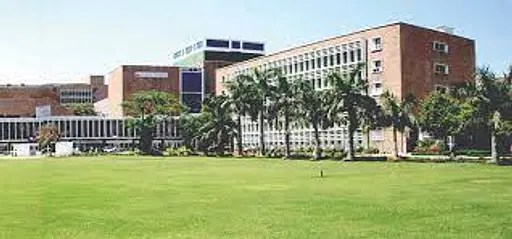
The journey of AIIMS New Delhi from its inception to its current status as a premier medical research institute is a testament to its unwavering commitment to excellence. The institute has not only set benchmarks in medical education and research but has also transformed healthcare delivery in India. As AIIMS New Delhi celebrates its Foundation Day, it stands tall as an icon of Indian medical science. Its valued contributions to the medical field and healthcare are unparalleled, and its commitment to nurturing the finest minds in medicine continues to inspire generations. AIIMS New Delhi is a beacon of hope and excellence, illuminating the path for a healthier and brighter future for India and the world
visit arjasrikanth.in for more insights
 SOCIAL PERSPECTIVES