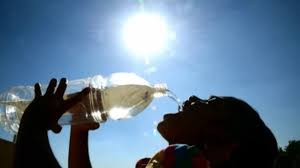
Record-Breaking Temperatures Call for Urgent Action in India’s Concrete Jungle
Recently, Delhi witnessed scorching temperatures, marking its hottest day in four years. The mercury soared to a staggering 45.8°C, a notable 5°C above the seasonal norm. Numerous areas within the city surpassed the 49°C mark, signalling alarming heatwave conditions. The India Meteorological Department (IMD) promptly issued alerts for Delhi, cautioning of imminent heatwaves and severe conditions in the days ahead.
Safdarjung, Delhi’s primary meteorological observatory, recorded its highest maximum temperature since 2020, peaking at 46°C. In various locales, temperatures flirted dangerously close to the 50°C threshold, with northwest Delhi’s Mukherjee Nagar and North Delhi’s Narela registering highs of 49.8°C. Stations in South Delhi’s Aya Nagar and near Delhi University likewise shattered prior records for maximum temperatures. However, the heatwave wasn’t confined solely to Delhi; regions across Uttar Pradesh, Haryana, Jammu, Rajasthan, Himachal Pradesh, Punjab, and northern Madhya Pradesh experienced soaring temperatures. Notably, Banda district in Uttar Pradesh recorded a scorching 49°C, while Pilani and Churu in Rajasthan reported temperatures of 47.9°C and 47.7°C, respectively. Other locations, including Jhansi, Ganganagar, Hissar, Khajuraho, and Nowgong, also grappled with temperatures exceeding 47°C.

Responding to the dire situation, the IMD issued a red alert for Delhi, signaling the presence of heatwaves and severe heatwave conditions. The forecast indicated maximum temperatures hovering around 46°C, with an orange alert in place for Thursday, predicting heatwave conditions in select areas. A glimmer of respite was anticipated on Friday and Saturday, with the possibility of thunderstorms and light rain. Nonetheless, the extreme heatwave conditions in Delhi pose significant risks to both residents and the environment. Elevated temperatures heighten the likelihood of heat-related illnesses, such as heatstroke and dehydration, disproportionately affecting vulnerable groups like children, the elderly, and those with pre-existing health conditions. Furthermore, the heatwave exerts strain on the city’s infrastructure, escalating demand for cooling systems and exacerbating water scarcity and heat stress in the agricultural sector, potentially leading to food supply disruptions.
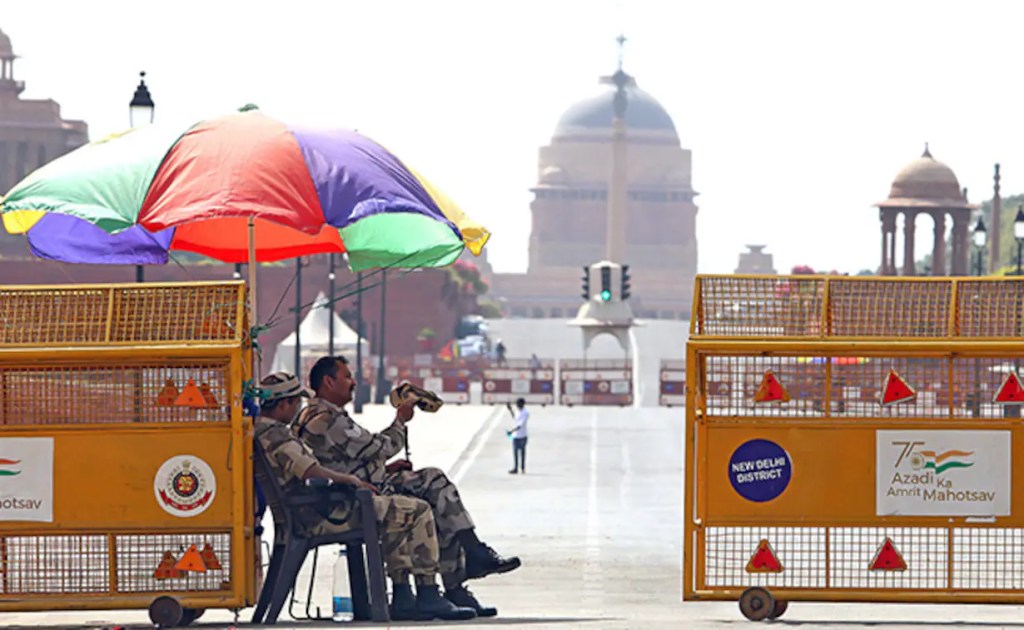
Heatwaves can have dire consequences, ranging from heat-related illnesses to damage to crops, livestock, and infrastructure. The impact extends to decreased workforce productivity, disruptions in essential services, and increased healthcare costs. The occurrence of intense heatwaves in Delhi underscores the escalating impact of climate change. Rising global temperatures contribute to more frequent and severe heatwaves, necessitating proactive measures to mitigate greenhouse gas emissions, promote sustainable practices, and adapt to changing climatic conditions.
In response to the heatwave, authorities and organizations have mobilized efforts to mitigate its impact and safeguard residents’ well-being. Public awareness campaigns educate individuals on the importance of staying hydrated, seeking shade, and taking necessary precautions during extreme heat. Cooling centres and shelters have been established to provide relief to vulnerable populations, including the elderly, homeless, and outdoor workers. Additionally, proactive measures, such as utilizing air conditioning, wearing light clothing, and staying hydrated, are crucial for individual safety during heatwaves.

Looking ahead, sustainable urban development emerges as a pivotal strategy to address the challenges posed by extreme heatwaves. Key components encompass green infrastructure, water management, energy efficiency, and public awareness and education. Green spaces, such as parks and urban forests, mitigate the urban heat island effect and offer cooler environments for residents. Efficient water management practices ensure a sustainable water supply and mitigate the risk of water scarcity during heatwaves. Promoting energy-efficient buildings and renewable energy sources reduces greenhouse gas emissions and alleviates strain on power grids. Moreover, public awareness campaigns empower residents to adopt sustainable practices and contribute to mitigating climate change’s impact.
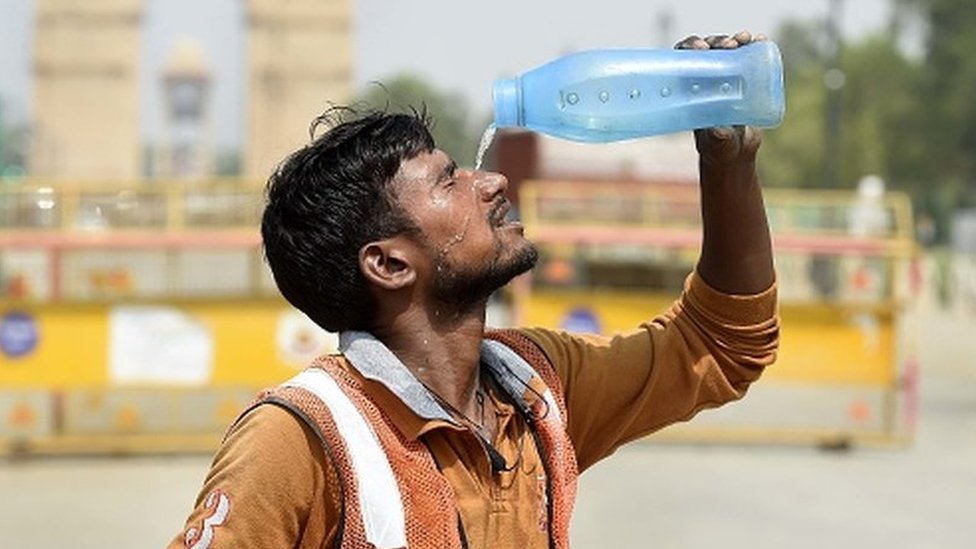
Delhi has spearheaded numerous initiatives to promote sustainable urban development and mitigate extreme heatwave impacts. Tree plantation drives and urban greening projects enhance green cover, reducing the urban heat island effect and providing shade and cooling. Rainwater harvesting and water recycling initiatives optimize water resource utilization and reduce groundwater dependence. Building codes emphasizing energy-efficient materials and designs reduce cooling energy consumption and greenhouse gas emissions. Public awareness campaigns educate residents on the importance of hydration, energy efficiency, and sustainable practices, bolstering Delhi’s resilience against extreme heatwaves.
Learning from global initiatives, such as Singapore’s green building program, Barcelona’s comprehensive climate plan, and New York City’s Cool Neighborhoods NYC initiative, provides valuable insights for Delhi and other Indian cities. These initiatives showcase effective strategies for enhancing urban resilience against extreme heat and offer a roadmap for sustainable urban development.

In conclusion, Delhi’s CURRENT heatwave underscores the imperative of prioritizing measures to mitigate heatwave effects and address climate change’s root causes. Sustainable urban development, integrating green infrastructure, efficient water management, energy-efficient buildings, and robust public awareness campaigns, is indispensable for building resilience and ensuring a greener future for urban India. By embracing sustainable practices and investing in green technologies, cities can foster resilience and create a more sustainable and habitable environment for generations to come.
Visit arjasrikanth.in for more insights
 SOCIAL PERSPECTIVES