
In the vibrant tapestry of Indian politics, the state of Odisha emerges as a pivotal battleground, where the entrenched Biju Janata Dal (BJD) led by Chief Minister Naveen Patnaik faces a formidable challenge from the Bharatiya Janata Party (BJP). As the nation witnesses the unfolding drama of Lok Sabha polls, Odisha stands at a crucial juncture with simultaneous elections for the state assembly. In this comprehensive analysis, we navigate through the intricate dynamics shaping Odisha’s political landscape, exploring the popularity of Naveen Patnaik, the BJP’s relentless pursuit of power, voter concerns, and the nuanced role of religious polarization.
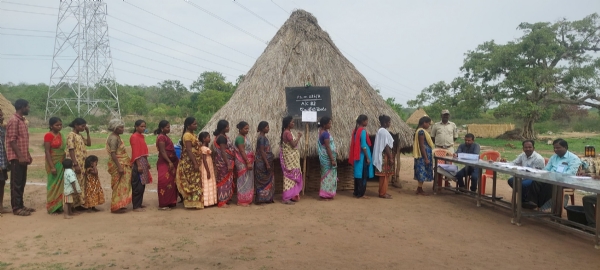
Naveen Patnaik, a stalwart of Odisha politics, has carved a niche for himself through nearly a quarter-century of astute leadership. Despite recent political reticence, Patnaik’s resonance endures, particularly among the rural populace engaged in government welfare initiatives. His implementation of free schemes and pension support has garnered unwavering support from millions, emblematic of his unwavering commitment to the welfare of Odisha’s people. As Odisha’s longest-serving Chief Minister since May 2000, Patnaik’s leadership has garnered widespread acclaim, underscored by prestigious accolades such as the Padma Bhushan in 2014. His enduring popularity, with approval ratings consistently above 70%, reflects a profound connection with the masses and a legacy of effective governance.
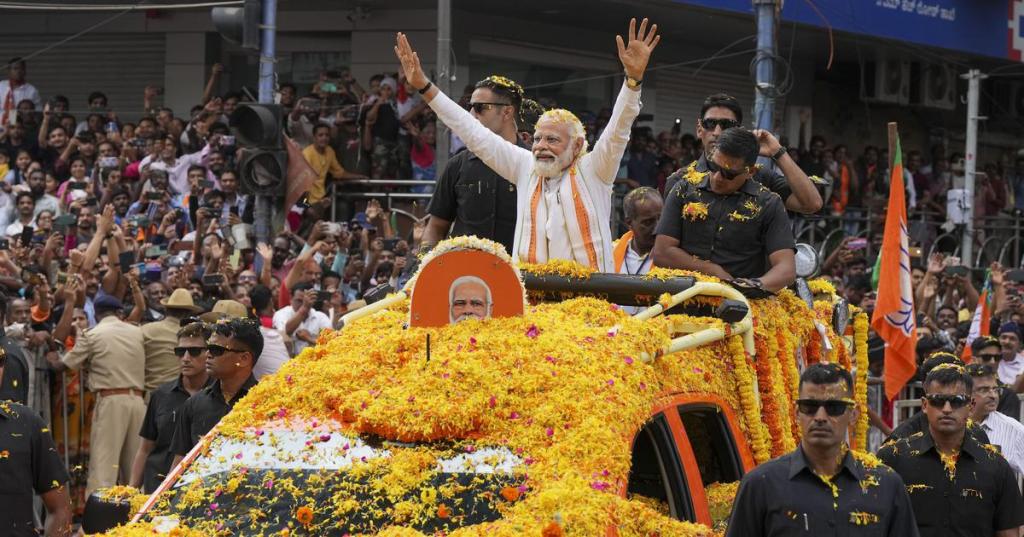
Since 2014, the BJP has waged an intensive campaign to wrest control of Odisha’s political reins. Leveraging top leadership, organizational prowess, and a narrative of development and governance, the BJP witnessed a significant surge in the 2019 elections. However, subsequent developments indicate a faltering momentum, marked by a waning central interest and a muddled ground strategy, potentially undermining the BJP’s electoral prospects.

Odisha’s electorate grapples with pervasive concerns, ranging from grassroots corruption to unemployment, amplifying challenges for incumbent leaders. The BJP’s proactive stance on addressing these issues has resonated with voters, casting a shadow of uncertainty over Naveen Patnaik’s entrenched dominance.
While religious polarization has been a potent tool in BJP’s arsenal elsewhere, its impact in Odisha, predominantly Hindu, remains subdued. However, the BJP’s emphasis on the Jagannath Temple issue and the missing keys has injected a religious undertone, spurring discourse but not fundamentally altering electoral dynamics.

The Congress, once a dominant force in Odisha politics, languishes in a precipitous decline, characterized by strategic inertia and leadership vacillation. The party’s lacklustre performance in recent elections, coupled with internal fissures and a wavering central support, reflects a poignant narrative of decline, raising pertinent questions about its future trajectory in Odisha’s political milieu.
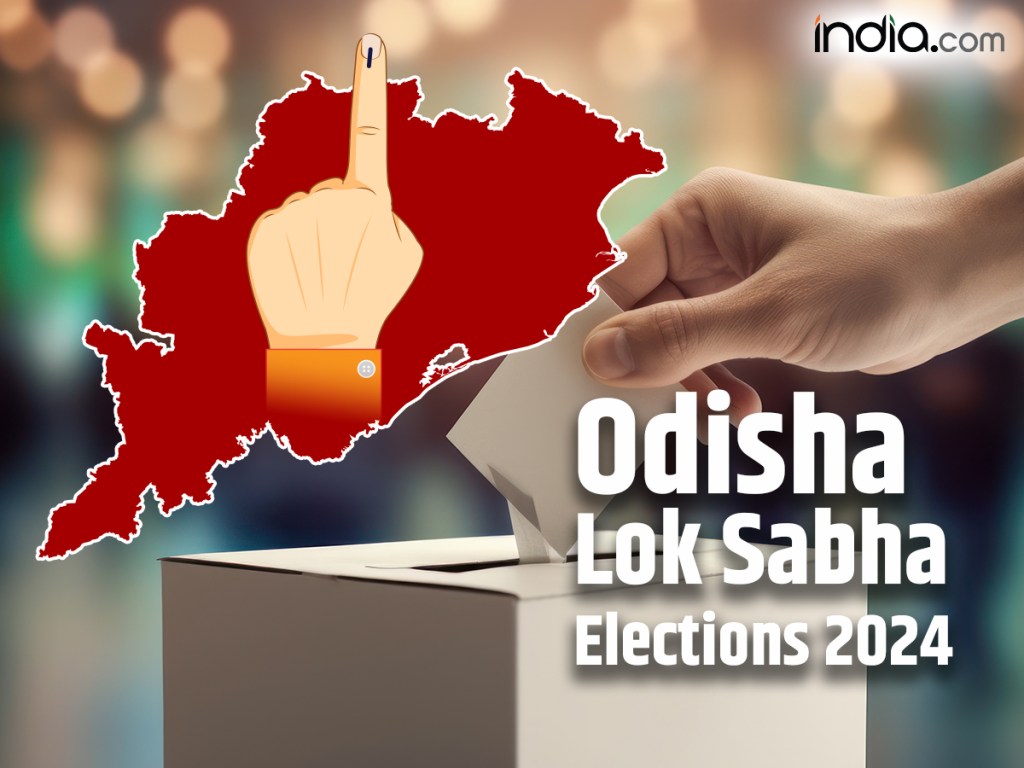
Odisha’s electoral landscape presents a nuanced juxtaposition, with divergent voting patterns discernible between state assembly and Lok Sabha elections. While Naveen Patnaik’s regional appeal resonates strongly in state-level contests, the BJP’s national narrative, epitomized by Narendra Modi’s leadership, finds favour among segments of the electorate in Lok Sabha polls.
As Odisha braces for electoral reckoning, Naveen Patnaik confronts his sternest challenge yet, navigating the choppy waters of an ascendant BJP and entrenched voter concerns. While Patnaik’s enduring popularity and welfare initiatives remain potent assets, the BJP’s relentless pursuit of power and a shifting political landscape underscore the fragility of incumbency. As the political saga unfolds, the outcome of Odisha’s elections holds profound implications, not only shaping the state’s destiny but also reverberating across the national political canvas, epitomizing the intricate tapestry of Indian democracy.
visit arjasrikanth.in for more insights
 SOCIAL PERSPECTIVES