Exploring the Complexities of Chinese Migration Trends and Their Global Implications
In recent years, the phenomenon of Chinese citizens seeking opportunities abroad has become a focal point of global interest. This article examines the underlying factors driving this trend, with a particular focus on the burgeoning middle class and evolving political dynamics within China. The aim is to shed light on the shifting landscape in China and its repercussions on its citizens. The experiences and perspectives of individuals who have opted to relocate, allows to gain deeper insights into the motivations driving this migration wave. As China’s economy continues to grow and political dynamics undergo transformations, it becomes imperative to understand how these factors shape migration patterns and impact the lives of Chinese citizens.

China stands as the world’s largest source of internal migration, with approximately 297.5 million migrant workers in 2023. This massive movement of people reflects the dynamic changes within Chinese society, with migration patterns evolving from predominantly rural to urban migration to encompass a diverse array of trends today, including inter and intra-provincial movements and skilled migration. The expanding middle class plays a pivotal role in driving mobility, as aspirations for better career prospects, education, and overall quality of life continue to rise.
Political dynamics also exert a significant influence on Chinese citizens’ decisions to migrate abroad. While the government promises safety, stability, and economic prosperity, growing disillusionment arises from unfulfilled promises and heightened state control over the private sector. Factors such as crackdowns on tech companies, suspensions of financial IPOs, and surges of nationalism contribute to individuals’ decisions to seek opportunities elsewhere.

Personal anecdotes shared by migrants offer invaluable insights into their journeys, aspirations, and concerns, humanizing the migration experience and highlighting the challenges and motivations driving their decisions. These narratives underscore the resilience and adaptability of individuals as they navigate unfamiliar environments, providing a deeper understanding of the diverse experiences and aspirations of Chinese migrants.
Looking ahead, Chinese migration patterns are expected to continue evolving, with implications for both China and recipient countries. Record-high outbound money transfers and a growing preference for destinations like Japan signify shifting migration patterns. Comprehensive migration policies are essential to address emerging challenges and capitalize on opportunities presented by these trends.
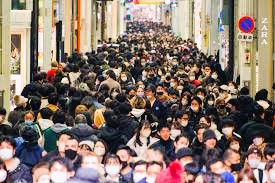
Since 2013, Chinese nationals have been flocking to Japan, swelling their numbers to approximately 761,600 residents by 2022. Surpassing all other foreign communities, the Chinese account for 29% of Japan’s foreign population. Historically viewed as resistant to immigration, Japan’s landscape is shifting, albeit slowly. In 2022, foreign nationals comprised merely 2.2% of Japan’s populace, with the Chinese dominating at 29%, reports the Organization for Economic Cooperation and Development.

In conclusion, the surge in Chinese migration presents complex challenges for the government, with implications for global socio-economic dynamics. Proactive measures are crucial to navigate the complexities effectively and foster a more equitable and sustainable future for all stakeholders involved. As we move forward, it remains to be seen how these trends will evolve and shape global migration patterns, emphasizing the importance of collaborative efforts to address emerging challenges in the migration process.
Visit arjasrikanth.in for more insights
 SOCIAL PERSPECTIVES