
Advancing Global Trade and Regional Connectivity!!!
The bold decision by India to sign a Memorandum of Understanding (MoU) with Iran to develop the Chabahar Port, despite strong objections from the United States, marks a pivotal moment in global trade dynamics. This move underscores India’s commitment to fostering regional connectivity and enhancing its strategic footprint in Central Asia. The Chabahar Port is more than a transit hub; it is a cornerstone of India’s geopolitical strategy to bypass Pakistan and forge direct trade routes to Afghanistan and beyond, cementing its role as a crucial player in the region.

Chabahar is not just a port for India; it is a strategic asset with profound commercial and geopolitical significance. The foremost advantage lies in providing India with a seamless transit route to Afghanistan, circumventing the contentious land route through Pakistan. Historically, India has accused Pakistan of deliberately delaying the transit of goods through Karachi to Afghanistan. The Chabahar Port, therefore, offers a reliable alternative, ensuring that Indian goods can reach Afghanistan without unnecessary hindrances.
The port’s infrastructure connects to a robust road network extending up to Zaranj in Afghanistan. From Zaranj, the 218-km Zaranj-Delaram road, constructed with India’s assistance, facilitates access to four major Afghan cities: Herat, Kandahar, Kabul, and Mazar-e-Sharif. This connectivity not only enhances trade but also supports Afghanistan’s economic development and stability, aligning with India’s broader regional policy objectives.
Beyond Afghanistan, Chabahar Port opens up direct access to resource-rich Central Asian countries such as Turkmenistan and Kazakhstan. According to reports, the port reduces the time required to send goods to Central Asian nations by a third. This efficiency is crucial for India’s trade ambitions and positions Chabahar as a vital node in the International North-South Transport Corridor (INSTC), which aims to connect India and Russia via Iran. Given India’s increased energy trade with sanctions-hit Russia, the port’s strategic value is further amplified.

The development of Chabahar Port also serves as a counterbalance to China’s growing influence in the region, particularly through its Belt and Road Initiative (BRI). The Gwadar Port in Pakistan, developed by China, provides Beijing with a strategic foothold in the Arabian Sea. By establishing a strong presence at Chabahar, India can monitor and counter Chinese activities in the Persian Gulf, thereby enhancing its strategic leverage.
For Iran, the Chabahar project holds dual significance. It provides Iran with an alternative to its only other major port at Bandar Abbas, which is unable to accommodate larger container vessels. Additionally, the development of Chabahar will spur economic growth in the Sistan-Baluchestan region, Iran’s least developed province, fostering local development and stability.
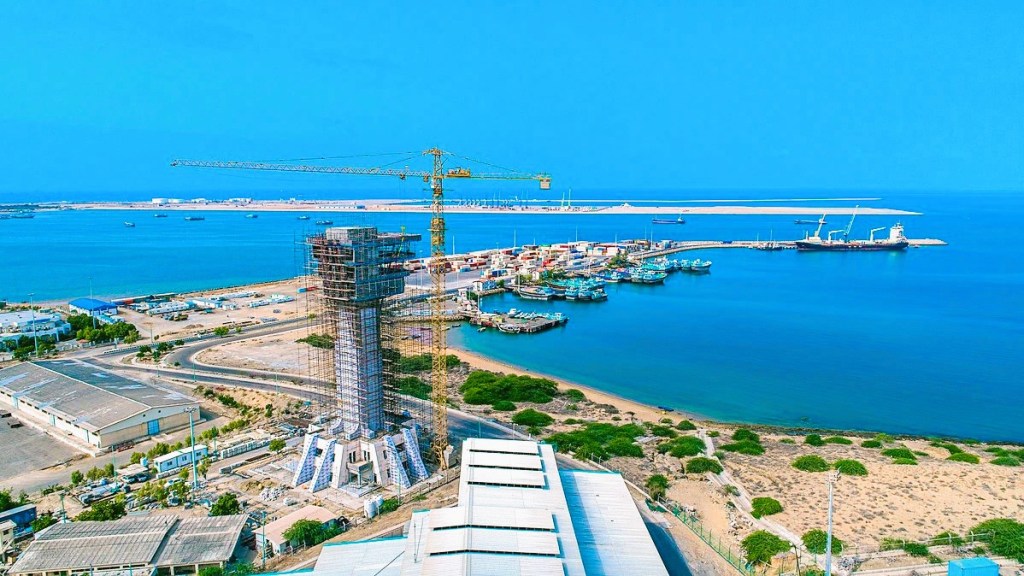
India has committed substantial resources to the Chabahar Port project, with investments totaling $120 million and a credit facility of $250 million for further development of the terminal at Shahid Beheshti port and related infrastructure. This investment underscores India’s long-term commitment to the project and its strategic importance.
The Chabahar agreement, a landmark 10-year deal, allows India to develop and operate the port, enhancing its capacity and functionality. This agreement is a testament to the deepening economic and strategic ties between India and Iran, offering a gateway for trade with Afghanistan and broader Central Asian countries. The operational control over Chabahar signifies India’s first significant foray into foreign port operations, marking a milestone in its maritime strategy.
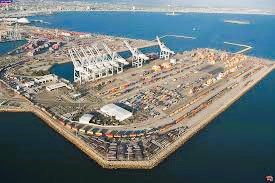
The strategic significance of the Chabahar Port cannot be overstated. It serves as a vital trade artery connecting India with Afghanistan and Central Asian countries, bypassing Pakistan and providing an alternative route that enhances regional trade and economic integration. The port’s development is expected to generate significant economic benefits, including increased trade volumes, reduced transportation costs, and enhanced connectivity.
Moreover, the Chabahar Port is integral to India’s efforts to counter China’s influence in the region. Situated just 170 km from Pakistan’s Gwadar Port, Chabahar offers India a strategic advantage over both its neighboring rivals. The port’s potential to generate considerable revenue and enhance India’s strategic footprint in the region cannot be ignored.

For Iran, the Chabahar project offers a strategic alternative to its overburdened Bandar Abbas port and promises economic development in the underdeveloped Sistan- Baluchestan province. The port’s development will not only boost Iran’s economy but also strengthen its strategic ties with India, providing a counterbalance to its reliance on China.

India’s decision to proceed with the Chabahar Port project, despite the risk of US sanctions, highlights its commitment to strategic autonomy and regional stability. While the US has warned of potential sanctions against entities engaging with Iran, India has emphasized the broader regional benefits of the project and its importance for trade with Afghanistan and Central Asia.
The US has imposed sanctions on Iran to curb its nuclear ambitions and its support for militant groups. However, India’s strategic interests in the region necessitate a nuanced approach. By engaging with Iran on the Chabahar Port project, India is asserting its strategic autonomy and its commitment to fostering regional stability and economic growth.
India’s Foreign Minister Subrahmanyam Jaishankar has stressed the importance of communicating the benefits of the Chabahar project to the US and urging a broader perspective on its implications. This diplomatic engagement aims to mitigate the risk of US sanctions while emphasizing the strategic and economic benefits of the project.

The Chabahar Port project is a strategic initiative by India aimed at enhancing regional connectivity, economic integration, and geopolitical influence. By investing in Chabahar, India secures a crucial trade route to Afghanistan and Central Asia, effectively countering China’s expanding regional presence. The project underscores India’s dedication to regional stability, economic growth, and strategic autonomy. India’s investment of $120 million, supplemented by a $250 million credit facility, is pivotal for developing the port’s Shahid Beheshti terminal and its infrastructure. This port offers India a seamless transit route for goods to Afghanistan, bypassing Pakistan, and provides access to resource-rich Central Asian nations like Turkmenistan and Kazakhstan. Additionally, Chabahar is connected to the International North-South Transport Corridor (INSTC), linking India and Russia via Iran, thereby enhancing India’s trade routes. Strategically, the port allows India to monitor Chinese activities at Pakistan’s Gwadar Port, balancing China’s influence in the Arabian Sea. For Iran, the project stimulates development in the underdeveloped Sistan- Baluchestan province and bolsters its port infrastructure. As the Chabahar project progresses, India must navigate diplomatic challenges posed by US sanctions while fostering strong economic and strategic partnerships with Iran and other regional players. The Chabahar Port project exemplifies India’s bold diplomacy and strategic foresight, highlighting the significance of regional connectivity, economic integration, and geopolitical influence in shaping global trade. By investing in Chabahar, India enhances its strategic position and contributes to regional stability and prosperity.
visit arjasrikanth.in for more insights
 SOCIAL PERSPECTIVES