An In-depth Examination of the 2024 Lok Sabha Elections and the Forces Shaping West Bengal’s Political Future !!
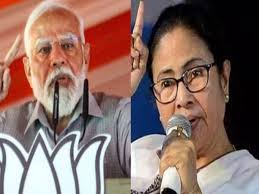
As West Bengal braces itself for the 2024 Lok Sabha elections, the political landscape of the state is witnessing significant shifts and challenges. The Trinamool Congress (TMC), which has been in power for nearly 15 years, faces a formidable task of retaining its dominance amidst growing competition from the Bharatiya Janata Party (BJP). This article provides a comprehensive analysis of the evolving political dynamics in West Bengal, focusing on key themes such as identity politics, religious polarization, women empowerment, and the role of marginalized communities. By examining the strategies and tactics employed by both the TMC and the BJP, as well as the changing sentiments of the electorate, this analysis seeks to shed light on the crucial factors shaping the upcoming elections.

One of the notable developments in West Bengal’s political landscape is the shifting support among the state’s Muslim electorate. Traditionally a stronghold of the TMC, the Muslim community has begun to show signs of disillusionment with the party. This trend was evident in the bye-election to the Sagardighi assembly constituency, where a Congress candidate backed by the Communist Party of India (Marxist) secured victory, signaling a weakening of the TMC’s influence among Muslims. The decline in support can be traced back to the TMC’s victory in the 2021 assembly elections, which took place amidst the COVID-19 pandemic. Despite concerns over issues such as the Citizenship Amendment Act (CAA) and the National Register of Citizens (NRC), the BJP’s impressive performance in the elections failed to dislodge the TMC from power. However, since then, the Muslim community has felt underrepresented within both the TMC and the government, leading to a gradual erosion of support for the party.
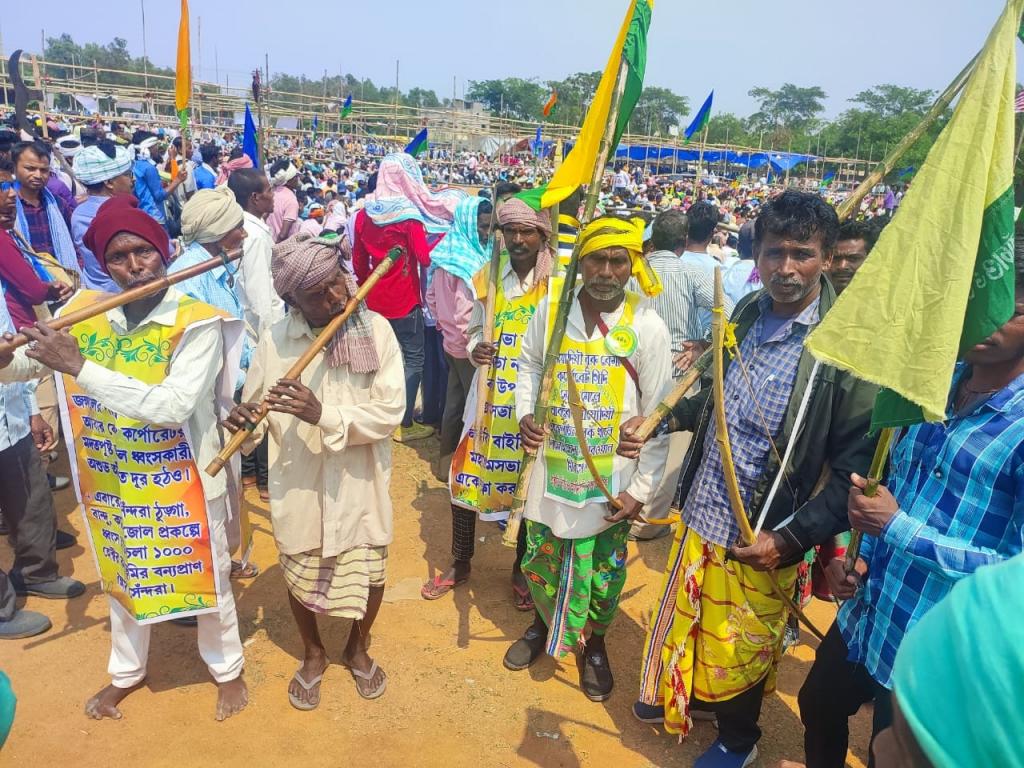
In response to the BJP’s growing influence, particularly in rural areas and among Scheduled Castes (SC) and Scheduled Tribes (ST), the TMC has intensified its outreach to marginalized communities. Chief Minister Mamata Banerjee has made concerted efforts to engage with Dalit, Other Backward Classes (OBCs), and ST communities, recognizing their significance in the state’s political landscape. This outreach, which includes initiatives such as the establishment of a special cell to address the grievances of marginalized communities, underscores the TMC’s efforts to adapt to new challenges and maintain its dominance.

Meanwhile, the BJP has been aggressively campaigning in West Bengal, aiming to capitalize on local discontent with the TMC government. The party’s strategy has focused on issues such as development, corruption, and governance, resonating with a significant portion of the electorate. Allegations of corruption against the TMC government have been a key plank of the BJP’s campaign, with the party accusing the TMC of prioritizing its own interests over the welfare of the people. In response, the TMC has vehemently denied these allegations and emphasized its commitment to the welfare of all sections of society, including women.

Women empowerment has emerged as a crucial battleground in West Bengal’s political arena, with both the TMC and the BJP seeking to champion women’s rights to sway the crucial female voter demographic. Under Mamata Banerjee’s leadership, the TMC has introduced schemes such as Kanyashree and Rupashree, focusing on education and marriage assistance, which have resonated strongly with female voters and solidified the party’s base. Conversely, the BJP has highlighted concerns about women’s safety, criticizing the TMC’s handling of violence against women and promising to prioritize women’s safety. This narrative has struck a chord with voters, particularly amid rising concerns over such incidents.
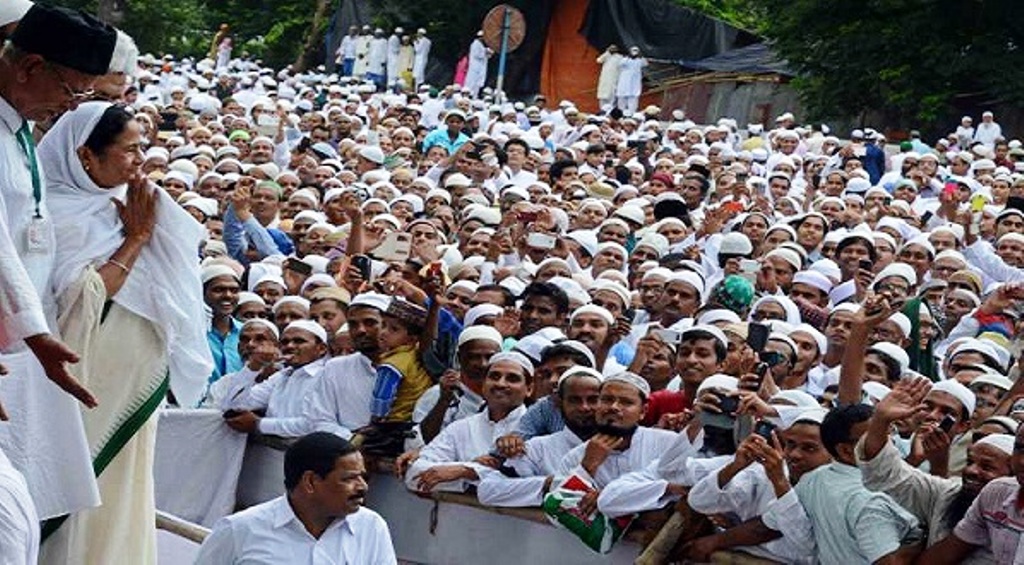
The political rivalry between the TMC and the BJP has been characterized by mutual allegations and counter-allegations, particularly concerning religious polarization. The BJP has accused the TMC of engaging in Muslim appeasement, aiming to garner support from the Hindu voter base. Conversely, the TMC has criticized the BJP for exploiting religious sentiments to polarize voters, emphasizing its commitment to secularism and communal harmony. These accusations have heightened tensions, fueling animosity between the two parties as they strive to shape the narrative and influence voter sentiment.
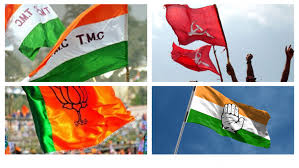
In conclusion, the 2024 Lok Sabha elections in West Bengal are set to be a defining moment in the state’s political history. The evolving dynamics of identity politics, religious polarization, and outreach to marginalized communities are shaping a fiercely contested battle for electoral supremacy between the TMC and the BJP. Women empowerment has emerged as a critical theme, with both parties seeking to sway the crucial female voter demographic. As the state braces for this critical electoral showdown, the political landscape is poised to undergo further evolution, reflecting the intricate interplay of identity, representation, and empowerment.
visit arjasrikanth.in for more insights
 SOCIAL PERSPECTIVES